Tracking
Recovery wearables, and the subscription math nobody shows
Trackers, rings and HRV monitors compared on what they measure, what battery they hold, and what the subscription really costs over two years.
A recovery wearable's job is to tell you whether you are ready to train hard or whether you should back off — usually by reading your overnight heart-rate variability (HRV), resting heart rate and sleep. The hardware to do that well is now cheap; the thing that actually decides the cost is the subscription. A device that costs $349 up front but locks its best features behind a $6/month membership costs far more over two years than a $150 tracker that owns its data outright — and almost no review does that arithmetic for you. We do, on every pick, because the total cost of ownership is the number that should drive the decision.
The category divides by form factor and philosophy. Wrist trackers(Garmin, Amazfit, Fitbit) are the all-rounders: they show the day's workout and a recovery readout, and the best of them — Garmin's Body Battery, Amazfit's readiness score — need no subscription at all. Smart rings (Oura) trade a screen for a discreet form and the best sleep tracking in the category, at the cost of an ongoing membership. Chest straps (Polar) are not lifestyle devices at all — they are the most accurate HRV and heart-rate sensors you can buy, for people who want a clean signal to feed into an app. And Whoop is the pure subscription play: no up-front hardware cost, everything behind a monthly fee.
The mistake is buying the device your favorite athlete wears without checking what it costs to keep. Start with our best recovery wearables roundup for the cross-category shortlist, the no-subscription list if a recurring fee is a dealbreaker, or the HRV monitorslist if you want raw accuracy over a lifestyle app. If you are deciding between the two most-hyped options, our Whoop-versus-Oura comparison and our "is Oura worth it" review lay out the real trade-offs — subscription included. And if what you want is a health monitor rather than a training tool, our health monitoring wearables roundup ranks the same shelf on a different axis entirely: which features carry a named FDA clearance — ECG, irregular-rhythm, sleep-apnea and hypertension notifications — and which are general wellness data wearing the same words.
We earn a commission when you buy through our Amazon links, at no extra cost to you. It never changes a verdict, and we say so when the cheaper product is the better buy. How this works.
Everything in this hub
All recovery wearables
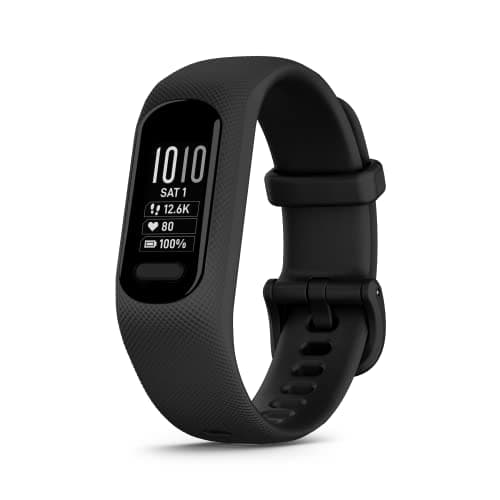
Roundup
The best recovery wearables, ranked on data and total cost
Five recovery trackers ranked on sleep, HRV and readiness data, battery and total cost of ownership — including which ones charge a monthly fee for their best features.
5 picks compared
See all picks →Top pick: Garmin vívosmart 5
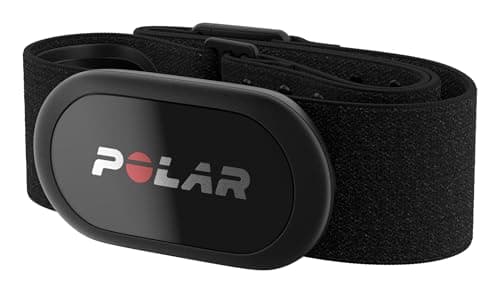
Roundup
The best HRV monitors, ranked on beat-to-beat accuracy
Four HRV monitors ranked on beat-to-beat accuracy, connectivity and value — three ECG chest straps and the best no-strap overnight ring.
4 picks compared
See all picks →Top pick: Polar H10 Heart Rate Monitor
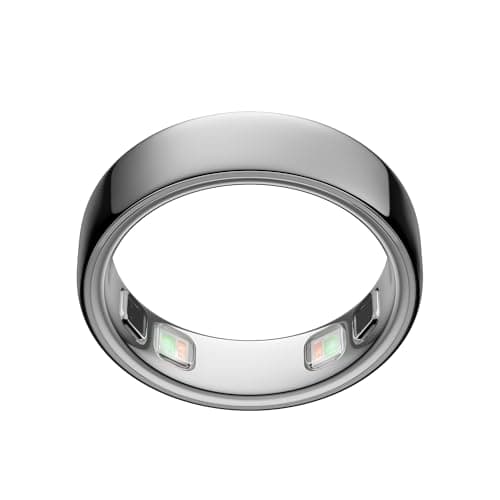
Roundup
The best sleep trackers, ranked on what they read and what they cost
Four sleep trackers ranked on sleep-stage data, comfort in bed, battery and cost — the best-reading ring plus the fee-free wrist alternatives.
4 picks compared
See all picks →Top pick: Oura Ring 5
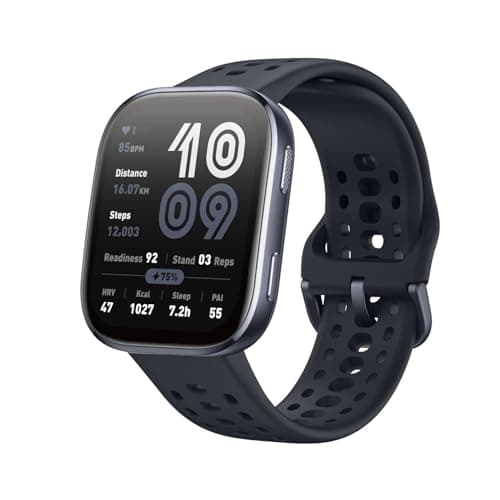
Roundup
The best no-subscription fitness trackers: buy once, pay nothing again
Four trackers that give you full sleep, heart rate and recovery data with no monthly fee — ranked on free features, battery and value.
4 picks compared
See all picks →Top pick: Amazfit Bip 6

Buyer's guide
Whoop vs Oura: which recovery tracker is actually worth it?
Whoop vs Oura compared on subscription model, sleep and HRV accuracy, form factor and true cost over time — with a clear pick for each kind of buyer.
Read the guide →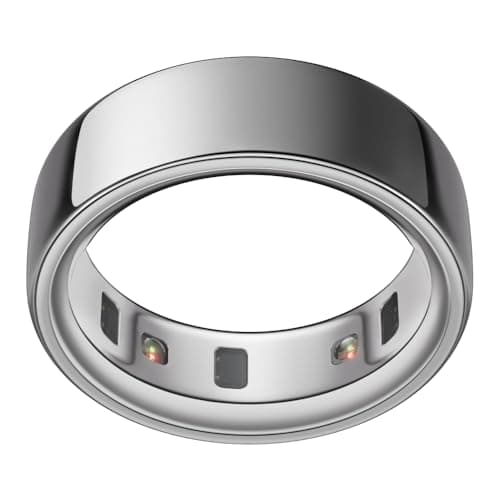
Review
Is the Oura Ring 4 worth it? An honest verdict
An honest verdict on the Oura Ring 4: what it does brilliantly, the subscription reality, and exactly who should buy it versus skip it.
1 pick
See all picks →Top pick: Oura Ring 4
Comparison
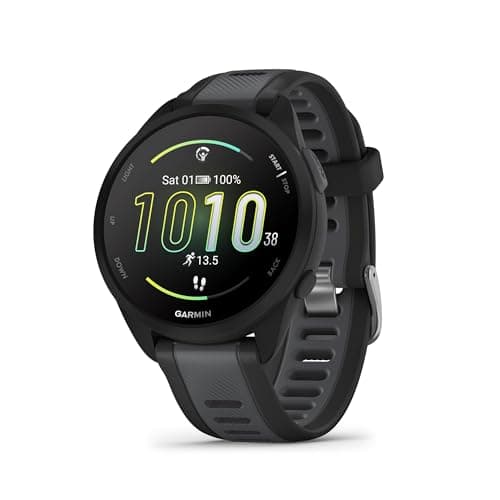
Garmin vs Whoop: which recovery tracker wins?
Garmin vs Whoop for recovery: a subscription-free watch you own versus a screen-free band with a mandatory membership. How the data, cost and experience really compare.
1 pick
See all picks →Top pick: Garmin Forerunner 165
Comparison
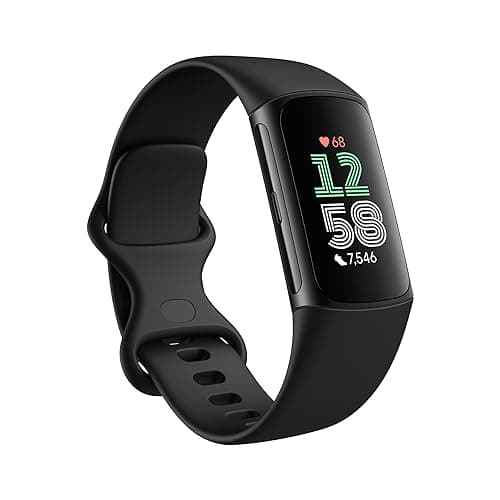
Fitbit vs Garmin: which tracker fits you?
Fitbit vs Garmin: a friendly, simple everyday band versus a deeper, subscription-free sport-and-recovery tracker. Which suits a casual user versus a serious trainer, with real picks.
2 picks compared
See all picks →Top pick: Fitbit Charge 6
Buyer's guide
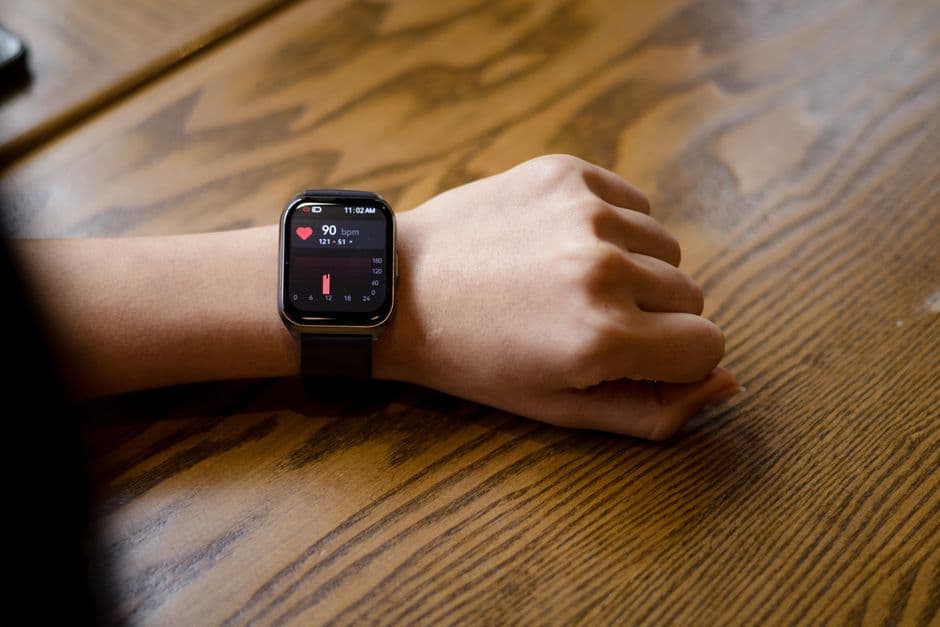
What is HRV (heart rate variability)?
A plain-English explainer of heart rate variability (HRV): what it measures, why it reflects recovery and stress, what a 'good' number is, and why your own trend beats comparisons.
Read the guide →
Buyer's guide
How to improve your HRV
Eight evidence-based ways to improve your HRV baseline — sleep, aerobic training, less alcohol, slow breathing, stress management and more — plus the honest caveat about chasing a number.
Read the guide →Comparison
Fitness tracker vs smartwatch: which form factor fits you?
Band, watch or ring? The form-factor decision that comes before choosing a brand — compared on battery, sleep comfort, sensor quality, distraction and price.
2 picks compared
See all picks →Top pick: Garmin vívosmart 5
Buyer's guide
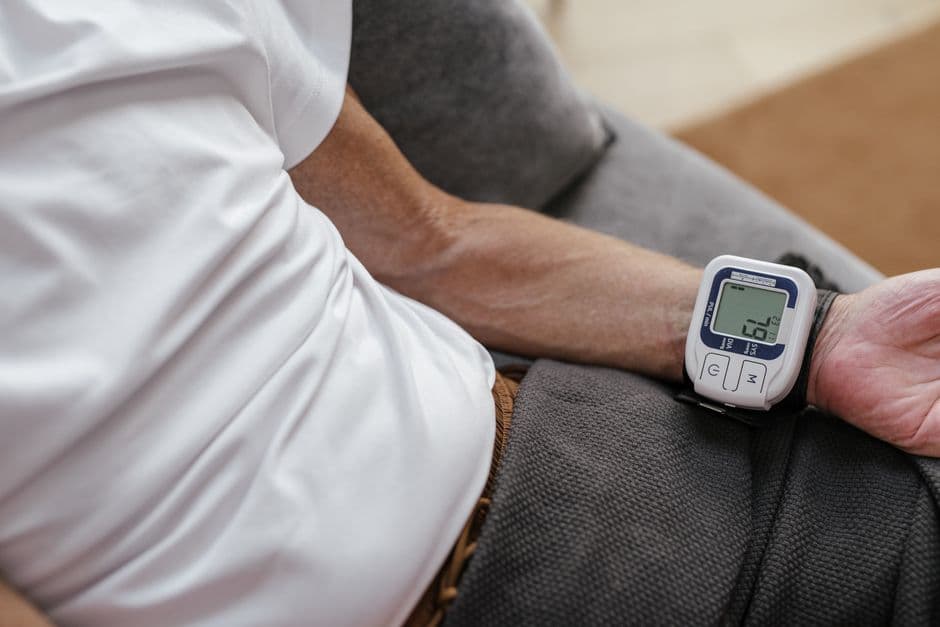
Do fitness trackers measure blood pressure?
The straight answer on blood-pressure wearables: what an optical sensor can and cannot measure, why most 'BP smartwatches' are estimating, and what to use instead if you need real numbers.
Read the guide →Roundup
The best smart rings for sleep and recovery
Four smart rings ranked on sleep and recovery data, battery life, comfort and total cost of ownership — including two no-subscription rings that end up far cheaper over three years.
4 picks compared
See all picks →Top pick: Oura Ring 5
Comparison
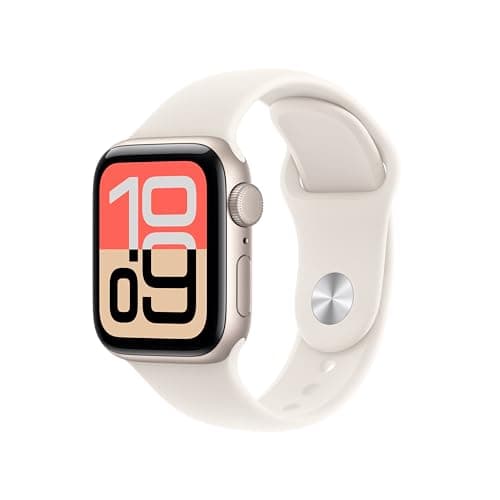
Whoop vs Apple Watch: which should you wear?
Whoop's screenless membership band against the Apple Watch: recovery depth, battery, sleep comfort, and the three-year cost of each, with a clear answer on who should pick which.
1 pick
See all picks →Top pick: Apple Watch SE 3 (GPS, 40mm)
Roundup
The best Garmin watches for training and recovery
Five Garmin watches ranked from entry-level running to premium AMOLED — what each tier adds in display, training analysis and battery, and where the price stops buying anything you will use.
5 picks compared
See all picks →Top pick: Garmin Forerunner 165
Comparison
Chest strap vs wrist heart rate: which should you trust?
Why a chest strap reads your heart differently from a wrist optical sensor, the four situations where the wrist gets it wrong, and whether you need both.
3 picks compared
See all picks →Top pick: Polar H10 Heart Rate Monitor
- Roundup
Roundup
The best health monitoring wearables, ranked by what they are actually cleared to do
Six health-monitoring wearables ranked on cleared features first — ECG, irregular-rhythm, sleep-apnea and hypertension notifications — then battery, phone lock-in and subscription cost.
6 picks compared
See all picks →Top pick: Withings ScanWatch 2
Roundup
The best Whoop alternatives, ranked on what you actually pay for
Six Whoop alternatives ranked on recovery data, strain tracking, sleep comfort and cost of ownership — a no-subscription Garmin winner, a screen-light band, a ring, two budget watches and a chest strap for people who only want the numbers.
6 picks compared
See all picks →Top pick: Garmin Forerunner 165
- Roundup
Roundup
Oura Ring alternatives: what you keep, what you lose, and what you stop paying
Five Oura Ring alternatives ranked on sleep and recovery data, in-bed comfort, battery and three-year cost — two no-subscription RingConn rings, the Galaxy Ring for Samsung owners, and two wrist devices for people leaving the ring form factor altogether.
5 picks compared
See all picks →Top pick: RingConn Gen 3 Smart Ring
Roundup
The best fitness trackers for seniors, ranked on safety first
Six fitness trackers and watches for seniors ranked on fall detection and emergency calling, readability, battery, cleared heart sensors and cost — an Apple Watch that dials for help, a 30-day analog Withings, an Android-friendly Garmin and a simple band.
6 picks compared
See all picks →Top pick: Apple Watch SE 3 (GPS, 40mm)
Roundup
The best budget fitness trackers
Six budget fitness trackers ranked on five-year cost of ownership rather than sticker price — which cheap ones include GPS, which hide features behind a fee, and what the data is worth at this end of the market.
6 picks compared
See all picks →Top pick: Amazfit Bip 6
Comparison
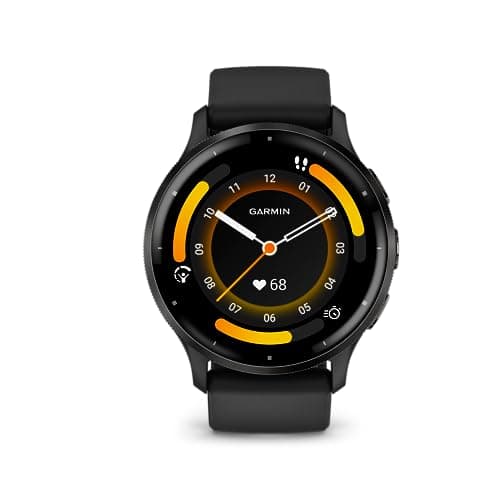
Apple Watch vs Garmin, decided on battery and clearances
Apple against Garmin on the four things that decide it: battery, FDA-cleared health features, training depth and which phone you carry. Five ranked picks across both brands.
5 picks compared
See all picks →Top pick: Garmin Venu 3
Comparison
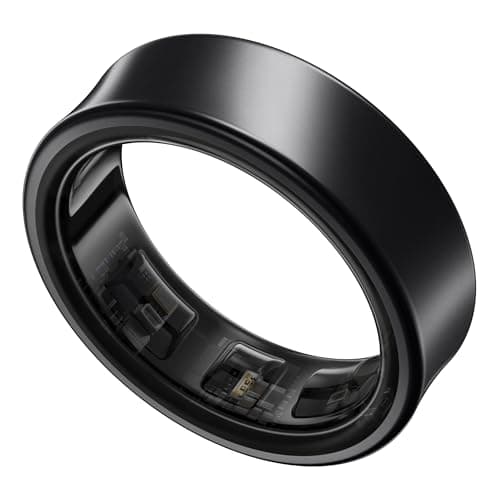
Oura Ring vs Samsung Galaxy Ring
Oura against the Galaxy Ring on the two things that separate them: the monthly membership and which phone you carry. Three ranked picks, including the no-fee ring that beats both on three-year cost.
3 picks compared
See all picks →Top pick: Samsung Galaxy Ring
Roundup
The best smartwatches for Android
Four watches ranked on how much you get from them on an Android phone — the no-subscription Garmin that wins for most people, the Samsung that wins only for Galaxy owners, and two cheaper options.
4 picks compared
See all picks →Top pick: Garmin Venu 3