Skip to content
Rep & Recovery

Tracking · Recovery Wearables

Fitbit vs Garmin: which tracker fits you?

Fitbit is the friendly, simple everyday tracker; Garmin is the deeper, sportier one you own outright. The right pick depends on whether you want easy or detailed. Here's the honest split.

By Stephen V.Updated How we review
#ad

We earn a commission when you buy through our Amazon links, at no extra cost to you. It never changes a verdict, and we say so when the cheaper product is the better buy. How this works.

Fitbit and Garmin both track steps, heart rate, sleep and workouts — but they aim at different people. Fitbit (now owned by Google) is the friendly, simple, lifestyle tracker: a clean app, gentle nudges, and an approachable experience that suits someone who wants to move more and sleep better without drowning in data. Garmin is the deeper, sportier option: richer training and recovery metrics (Body Battery, HRV status, VO2 max, detailed GPS workouts), longer battery, and — importantly — no subscriptionfor its core features. Which is "better" depends entirely on whether you want easy or detailed.

Below we compare them and name a real pick for each: the Fitbit Charge 6 and the Garmin vívosmart 5, both current and both slim band-style trackers. For the full field, see our best recovery wearables.

The subscription question

This is the sharpest practical difference. Some of Fitbit's more advanced insights (deeper sleep analysis, the daily readiness-style score, certain analytics) sit behind Fitbit Premium, a paid membership — the basics are free, but the richest features are not. Garmin, by contrast, puts its recovery and training analytics on the device with no ongoing fee. If you want maximum insight without a recurring cost, that favors Garmin; if you only care about the free basics, Fitbit's simplicity is fine. This is the same total-cost lens we apply across the wearables hub.

Where Fitbit wins

Fitbit wins on simplicity, app friendliness and everyday wearability. The app is one of the easiest to read, the nudges are motivating without being nerdy, and the Charge-series bands are slim and pleasant to wear all day and night. For a casual user whose goal is "move more, sleep better, glance at a clear number," Fitbit is the more welcoming choice — and the Charge 6 adds built-in GPS and Google apps to sweeten it.

Where Garmin wins

Garmin wins on depth, battery, sport tracking and no-subscription data. Its recovery suite (Body Battery, HRV status) and training metrics are richer and free, the battery routinely lasts longer, and it handles serious workouts and GPS sports better. For a runner, cyclist or anyone who actually acts on recovery data, Garmin gives more and charges no ongoing fee for it. The trade-off is a slightly steeper learning curve and an app that throws more numbers at you.

Which should you buy?

Buy Fitbit if you want easy — a simple, friendly everyday tracker for general health and sleep, and you are fine with the free basics (or happy to pay Premium). Buy Garmin if you want deep — detailed, subscription-free recovery and training data you will actually use, longer battery, and real sport tracking. Neither is wrong; they are built for different users. If avoiding any subscription is your priority, our no-subscription trackers roundup filters for exactly that.
The short answer

Quick picks

#ProductBest forScorePrice
01
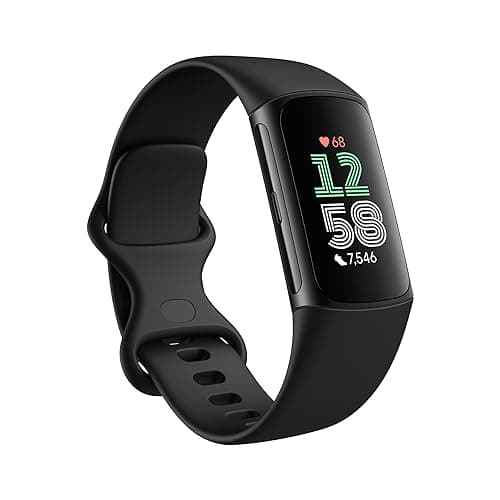
Fitbit Fitbit Charge 6
Fitbit Charge 6

The friendly everyday tracker. A slim band with an easy, motivating app, solid heart-rate and sleep tracking, built-in GPS and Google apps — ideal for a casual user who wants to move more and sleep better without the data overload.

Best for simplicity / casual use
7.4
$133.90Amazon
02
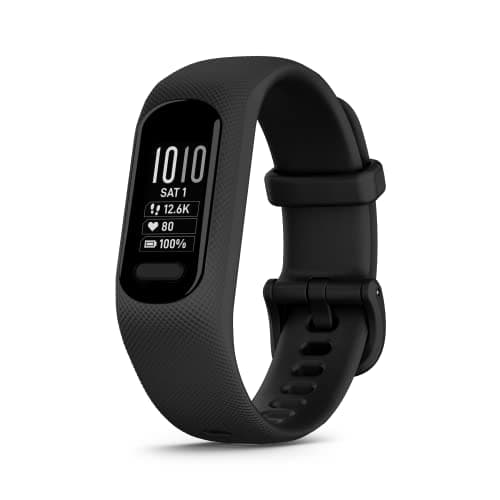
Garmin Garmin vívosmart 5
Garmin vívosmart 5

The deeper, subscription-free band. A slim Garmin tracker with Body Battery, HRV-based recovery and solid sleep, all on the device with no fee — the pick for someone who wants Garmin's depth in a Fitbit-like form.

Best for depth, no subscription
7.8
$148.90Amazon

#ad · Live prices from the Amazon Product API, as of Sep 4, 2026. Where we have no verified live price, we show none — a gap beats a number that has rotted.

In detail

The picks, in full

01
Fitbit Fitbit Charge 6

Best for simplicity / casual use

Fitbit Charge 6

Slim, all-day bandBuilt-in GPS + Google appsHeart rate + sleep trackingSome insights need Fitbit Premium
7.4/10

The friendly everyday tracker. A slim band with an easy, motivating app, solid heart-rate and sleep tracking, built-in GPS and Google apps — ideal for a casual user who wants to move more and sleep better without the data overload.

Ease of use
9
Recovery depth
6
Battery
6
Sport tracking
6
No-subscription
6

Pros

  • Exceptionally easy, motivating app experience
  • Slim and comfortable to wear day and night
  • Built-in GPS and Google apps (Maps, Wallet)
  • Great for general health and sleep basics

Cons

  • Richest insights sit behind Fitbit Premium
  • Less training depth than Garmin

Don't buy this if…

you want deep, subscription-free training and recovery metrics — Garmin gives more for no ongoing fee.

$133.90View on Amazon

$159.9516% off

Price as of Sep 4, 2026. Prices change — Amazon's at checkout is the one that counts.

#ad · we may earn a commission from this link to Fitbit Charge 6

02
Garmin Garmin vívosmart 5

Best for depth, no subscription

Garmin vívosmart 5

Body Battery energy monitorNo subscription for core featuresSleep + stress + recoveryLong battery life
7.8/10

The deeper, subscription-free band. A slim Garmin tracker with Body Battery, HRV-based recovery and solid sleep, all on the device with no fee — the pick for someone who wants Garmin's depth in a Fitbit-like form.

Ease of use
7
Recovery depth
8
Battery
8
Sport tracking
7
No-subscription
9

Pros

  • Rich recovery data (Body Battery) with no ongoing fee
  • Long battery life between charges
  • Slim band form, comfortable all day
  • You own the device and the data outright

Cons

  • App is busier than Fitbit's
  • No built-in GPS (uses your phone's)

Don't buy this if…

you want the simplest, friendliest possible experience — Fitbit's app is easier for casual users.

$148.90View on Amazon

Price as of Sep 4, 2026. Prices change — Amazon's at checkout is the one that counts.

#ad · we may earn a commission from this link to Garmin vívosmart 5

How we picked

We did not lab-test this gear

Everyone in this category says they tested twenty products. We have not lab-tested any of these, and we say so. What we did instead: compiled the published specifications, pulled the numbers from the manufacturer manuals, ran the cost-to-run and cost-per-unit math where there was math to run, and scored each product against a published rubric. The scores are judgments from documented research — not measurements we took, because we do not have a lab and we will not pretend we do. Where a number came from someone else's work, we name them in Sources.

Questions

Frequently asked

Is Fitbit or Garmin better?
Neither is universally better — they target different users. Fitbit is simpler, friendlier and better for casual everyday health and sleep tracking. Garmin is deeper, has longer battery, better sport tracking and subscription-free recovery data. Choose Fitbit for easy, Garmin for detailed.
Does Fitbit require a subscription?
The basics are free, but Fitbit's richest insights — deeper sleep analysis, the daily readiness score and certain analytics — require a paid Fitbit Premium membership. Garmin includes its recovery and training analytics on the device with no ongoing fee, which is a key difference if you want maximum insight for no recurring cost.
Which is better for recovery tracking, Fitbit or Garmin?
Garmin, for most people who care about recovery — its Body Battery and HRV-based readiness are detailed and free, whereas Fitbit's equivalent depth often needs Premium. Both track resting heart rate, HRV and sleep. See our recovery wearables roundup for the full comparison.
Which has better battery life, Fitbit or Garmin?
Garmin generally wins on battery life, often lasting several days to a week on its band-style trackers, while Fitbit's Charge series typically runs a few days — less if you use always-on display or GPS heavily. For fewer charges, Garmin is usually the better bet.

Keep reading

Receipts

Sources

We do not run a testing lab, and we do not pretend to. Where a measured number came from someone else's work, we name them and link them. Where we could not verify something, we say so on the page rather than quietly leaving it out. Read our full method.