The best beginner home gym is the shortest one you will actually use. You do not need a rack of machines — you need a way to load your muscles progressively and a little space to move. This kit is four cheap, compact pieces that together train your whole body: resistance bands, an adjustable weight, a kettlebell and a full-body band set. Buy across it, learn to use it, and add more only when a real goal demands it — and when it does, home gym on a budget is the order to add it in.
We ranked these for a first-time buyer, weighing ease of use, how many exercises each unlocks, how little space it takes, build quality and value. The winner is the humblest thing here on purpose — the point of a beginner kit is momentum, not a maxed-out shopping cart. For the bigger picture of how these categories fit together, read our guide to home-gym equipment, and if you are torn on the weight piece, see adjustable vs fixed dumbbells. And remember the quiet rule of getting stronger: you build muscle while you recover, so train hard and recover right.
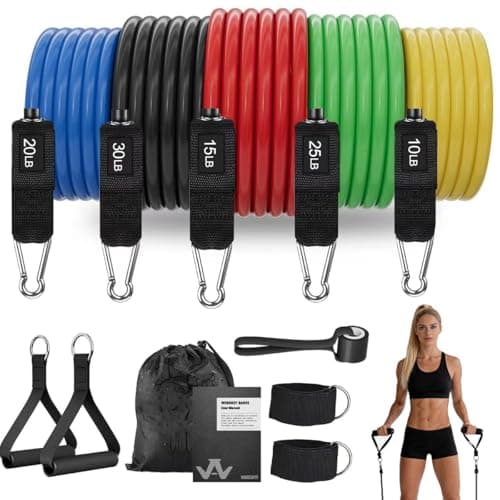
Bands are the usual first purchase here, and the usual first disappointment, because almost nobody is shown how to anchor them or how much tension to start with. Ten minutes with how to use resistance bands is the highest-return thing a beginner can read on this site.
Buy in order — you do not need all four on day one
One thing that is not in the kit and is worth knowing about: if walking is already a habit you keep, a light weighted vest makes those minutes count for more without adding a single piece of equipment to the room. It is a supplement to the four below rather than a substitute for any of them.
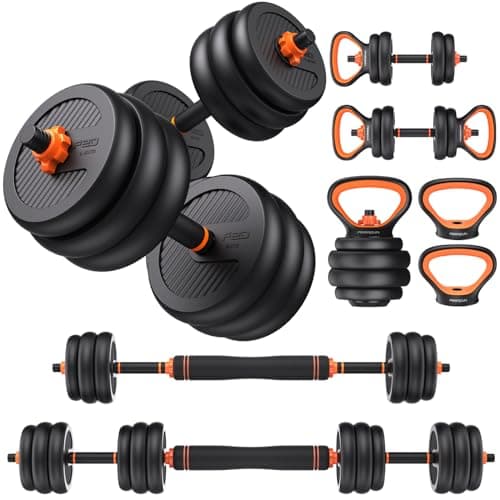
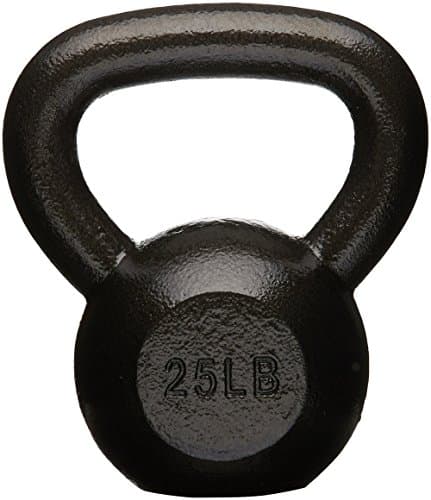
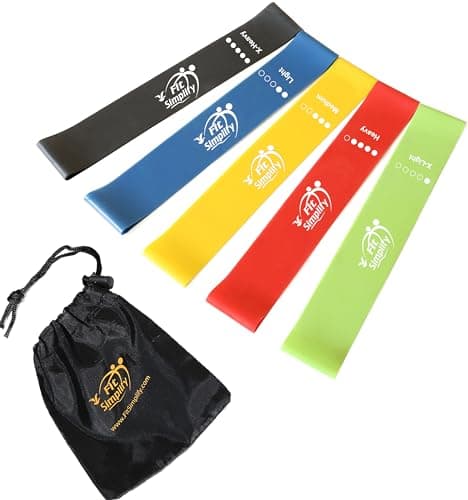
The point of a beginner kit is momentum, so buy it in sequence rather than all at once. Start with the loop bands and begin training this week — warm-ups, glute and shoulder activation, simple circuits. Add the WHATAFIT tube set next to unlock upper-body pressing and pulling with handles and a door anchor. Then add a weight source — the FEIERDUN convertible for value or, if you want faster changes and a nicer feel, a dial set from our adjustable dumbbells roundup. Finish with a kettlebell once you are ready to learn the swing. Four modest purchases, spread out, beat one big impulse buy you half-use.
Why this covers everything a beginner needs
Strength comes from training a handful of basic movements — push, pull, squat, hinge, carry — and progressively adding load. This kit hits all of them. The tube bands press and pull; the dumbbells and kettlebell squat, hinge, row and carry; the loop bands warm you up and target the smaller muscles. You are not missing anything essential. The CDC's own guidance is simply to work all the major muscle groups on two or more days a week, and every one of those groups is covered here without a single machine. Adding a bench and a pull-up bar later widens the menu, but they are extras, not gaps. An ab wheel is the same kind of extra — a cheap finisher rather than a foundation — and our Ab Carver Pro review is candid about the fact that most beginners should hold a solid plank before buying one.
Train hard, recover right
The mistake beginners make is thinking more training equals faster progress. Muscle is built during recovery, not during the set — your fibers adapt while they repair, which is why the guidance is to give a muscle group a day or two before hammering it again. Sleep, protein and rest days do more for a newcomer than any extra piece of gear. When you are sore, gentle movement and a little self-massage help you show up for the next session: a cheap foam roller is the highest-value recovery tool you can add to this kit, and if you catch the bug, the massage gun and recovery tracker sides of this site are where training meets restoration. Trusted Health Gear's rundown of recovery wearables and at-home recovery tools is a useful second read if you want the general-wellness view rather than the training one. Buy less iron, recover better, and you will out-progress the person with the fuller garage.
How we picked
Everyone in this category says they tested twenty products. We have not lab-tested any of these, and we say so. What we did instead: compiled the published specifications, pulled the numbers from the manufacturer manuals, ran the cost-to-run and cost-per-unit math where there was math to run, and scored each product against a published rubric. The scores are judgments from documented research — not measurements we took, because we do not have a lab and we will not pretend we do. Where a number came from someone else's work, we name them in Sources.