The mistake people make building a home gym on a budget is buying a cheap version of everything. A flimsy bench, a wobbly rack, a set of dumbbells too light to progress on: each one costs little and each one gets replaced within a year, which is the expensive way to do it. The better approach is to spend the same money on fewer things, chosen for how much training they unlock per dollar, and bought in an order where every purchase adds exercises you could not do before it.
That is what this page is. The eight picks are all equipment we already rank in resistance bands, kettlebells, pull-up bars, adjustable dumbbells, jump ropes, weight benches and power racks, re-scored here on training value per dollar and arranged in buy order across three tiers. The first tier is a complete gym on its own; each later tier is what to add when the money is there. Prices on every card are live and dated, so the tiers are true on the day you read them — we do not print a number that will be wrong by next month.
Two things this page is not. It is not the shortest possible starter kit — that is home gym for beginners, which stops at four items. And it is not the small-apartment list — that is home gym for small spaces, which ranks on footprint and floor noise. This one ranks on what you get for the money, and it assumes you have a doorway, a patch of floor, and eventually a corner for a rack.
The three tiers, and what each one can do
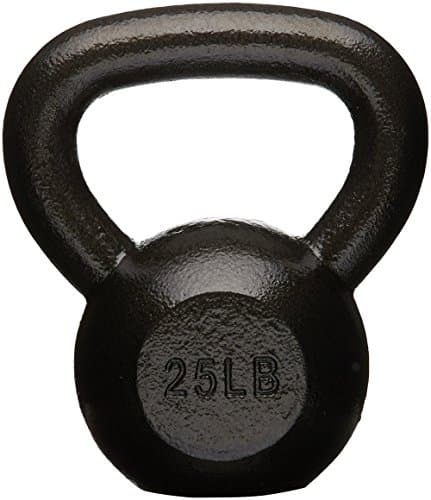
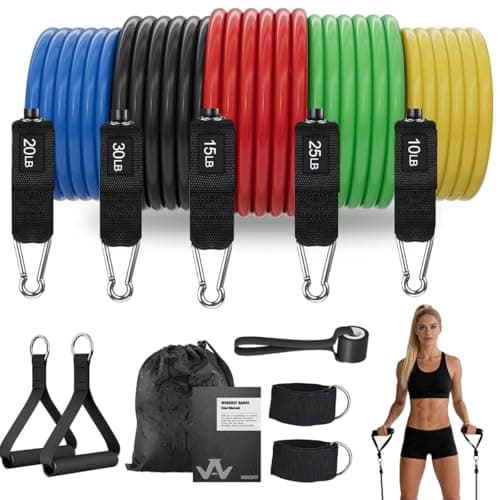
Tier one— the tube band set, the loop bands, one kettlebell and a doorway bar — is a complete gym. It covers every movement pattern: a horizontal and vertical push and pull, a hinge, a squat, a carry, and conditioning. It fits in a closet. Someone who owns only these four things and uses them three times a week is meeting the CDC's muscle-strengthening guideline with room to spare, and most people who buy more never use it more. If the budget stops here, nothing important is missing.
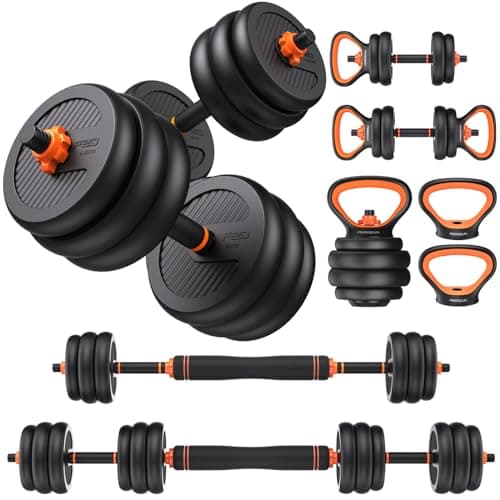
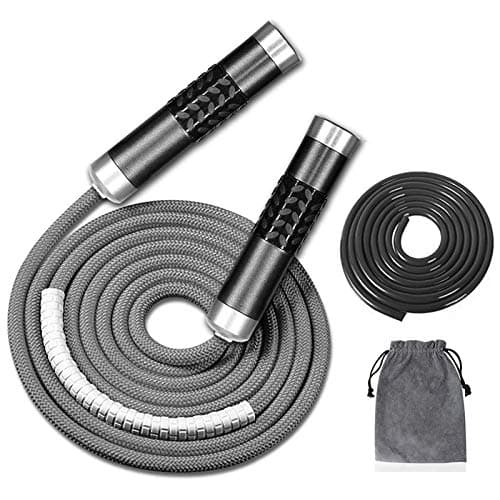
Tier two — adjustable dumbbells and a jump rope — adds load and options. Dumbbells bring the row, the press, the lunge and the Romanian deadlift at a weight that progresses; the rope brings conditioning that does not depend on a band or a bell. This is the tier where the gym starts to feel like a gym.
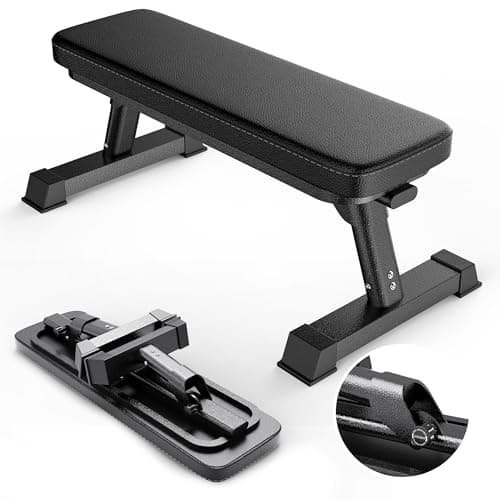
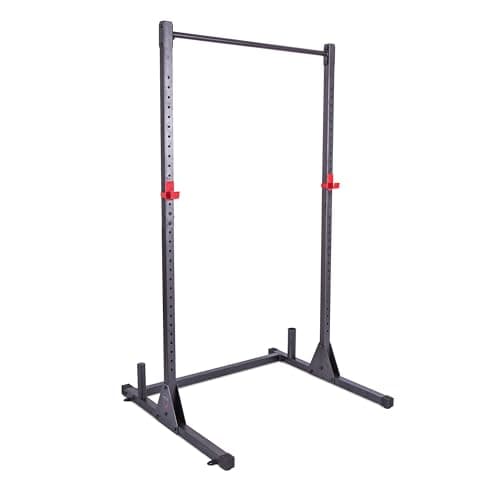
Tier three — a bench and a rack — is for the person who now knows they will keep training. The bench turns the dumbbells into a pressing program; the rack, with a bar and plates bought separately, turns the corner of a garage into somewhere you can squat and bench a barbell alone and safely. Neither belongs earlier in the order, and both are a mistake to buy cheap versions of before you have used the first two tiers for months.
Why the order matters more than the total
Two people can spend the same money on a home gym and end up with very different gyms. The one who buys a cheap bench, a cheap rack and a light fixed pair of dumbbells first has three things that each do one job badly. The one who buys the band set, a bell and a bar first has a program on day one and can train while saving for the next tier. The ordering principle is simple: each purchase should add movements you could not do before it, and should be the cheapest thing that adds those movements well. That is why the bell precedes the dumbbells even though dumbbells are more versatile, and why the rack is last even though it is the thing most people picture.
What we left off, and why
No treadmill, bike or rower: cardio machines are the most expensive way to get conditioning, and a rope plus a kettlebell covers it for a fraction of the cost and floor space. If joint-friendly seated cardio is a medical need, our exercise bike and rowing machine rankings are the place to look. No multi-gym or all-in-one machine: they cost more than everything on this page combined and train fewer movements less well. No barbell and plates on the list, because the right amount to buy depends entirely on you — but budget for them alongside the rack, not after it. And no flooring, which you will want under the rack and which our equipment overview covers.
How to read the prices on this page
Every price on every card is pulled live and stamped with the date it was checked. We have deliberately not defined the tiers by dollar amounts, because a page that says "under $500" is a page that is wrong the first time a price moves. Add up the cards for the tier you want on the day you read this and you have a real number, not a remembered one. Where a product has no verified price on the day, the button says so rather than showing a stale one.