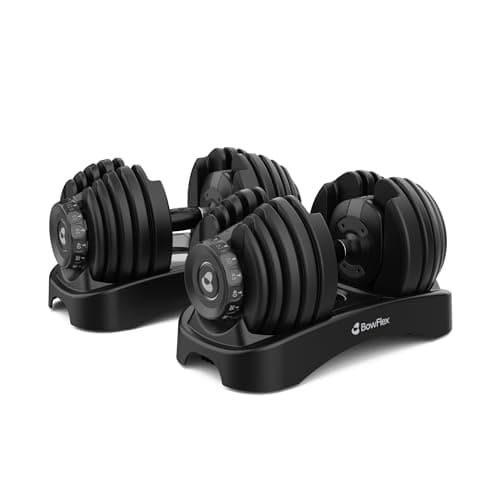
A small-space home gym is a different problem from a cheap home gym. The constraint is not money, it is footprint — what the equipment occupies when you are not using it — and, in a flat, noise, because a dropped dumbbell is a conversation with the person below you. Solve those two and almost anything is possible in a corner of a bedroom.
The good news is that the equipment that solves small-space problems is largely the same equipment that solves budget problems: adjustable weights replace racks of fixed ones, bands weigh nothing, doorway bars need no floor, and folding racks live flat against a wall. Only cardio genuinely resists compression, and even there a walking pad slides under a bed.
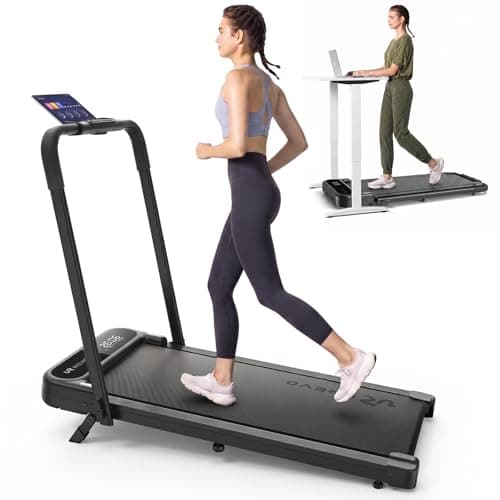
Ranked below by how much capability each item buys per square foot. If you are starting from nothing and want the sequence rather than the space-saving angle, read home gym for beginners first, and types of home gym equipment for the map of the whole category. Cardio is the hard part in a small room, and the only machine that genuinely stores away is a walking pad — all six worth considering are ranked on deck height and folded footprint in best walking pads.
Indoor walking is the usual small-space cardio question, and the answer is almost always a pad rather than a folding treadmill — four to five inches tall against a machine that still stands in the room. The full comparison is in walking pad vs treadmill.
The square-meter gym
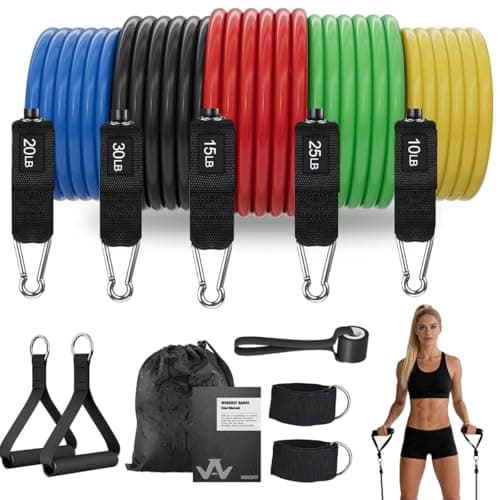
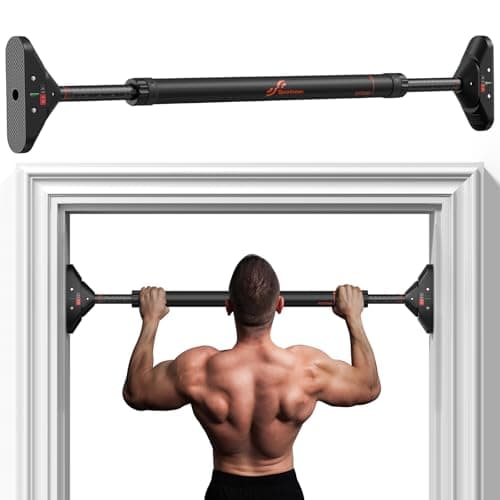
Here is a complete strength setup that fits in about a square meter of storage: one pair of adjustable dumbbells, one set of resistance bands, one doorway pull-up bar, and a mat. That covers pressing, pulling, squatting, hinging, carrying and every accessory movement worth doing. Add a single kettlebell for swings and carries, and you have more capability than most commercial gym members use.
The temptation in a small space is to buy a machine that does several things. Resist it. Multi-function machines are large, expensive, and worse at each individual job than the simple tool that does only that job — and simple tools stack in a cupboard.
Noise: the constraint nobody lists
In a flat, the neighbor below you sets your training ceiling more than your ceiling height does. Three practical rules. Never drop weights, which rules out bumper-plate deadlifting entirely. Put something under everything — a rubber mat or interlocking foam tiles absorb the impact and the vibration. Prefer tempo over impact: slow eccentric work, isometrics and bands build plenty of strength while making no sound at all. Jump rope, ironically, is one of the worst offenders in an upstairs flat despite being one of the smallest items — the impact travels.
Renting? Read this before you buy
Anything that mounts to a wall or ceiling needs permission and studs, which rules out folding racks and joist-mounted bars for most tenants. That leaves you doorway bars, freestanding towers, and everything portable — which is genuinely enough. Check door frame width before ordering a leverage bar, and be aware that leverage mounts can mark paint over time; a folded towel between the mount and the frame solves it. The full rundown of pull-up mounting options is in best pull-up bars.
What to skip in a small space
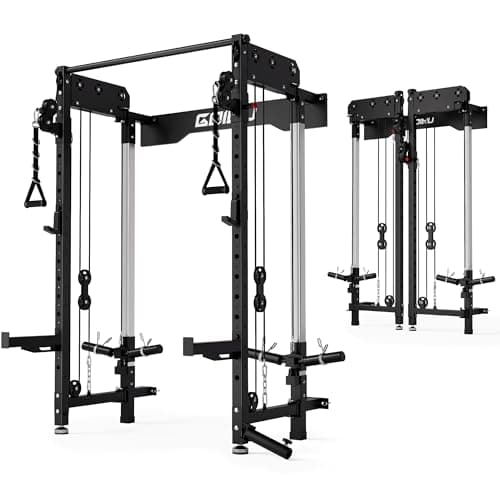
Fixed dumbbell sets and their racks — the whole point of adjustable is that they do not need a rack; if you have the floor for a rack you do not have a small space. Full-size treadmills and rowers, unless the room is dedicated to them — although the Concept2 separates into two pieces and stands upright, which makes it the one full-size cardio machine worth considering. Benches with fixed frames — a folding bench costs the same and disappears. And multi-station home gyms, which are the single worst capability-per-square-foot purchase in this entire category.
Where the money goes furthest
If you can spend once, spend it on adjustable dumbbells — they are the single item that turns a corner into a gym. If you can spend a little, buy bands and a doorway bar, which together cost less than a month of gym membership and store in a drawer. Cardio comes last: it is the most expensive per square foot and the easiest to do outside for free.