The best foam rollers — ranked on the specs that matter
Five rollers that cover every use and budget, ranked on density, length, diameter and surface pattern. The winner is a 13-inch classic that has outlasted a decade of hype.
We earn a commission when you buy through our Amazon links, at no extra cost to you. It never changes a verdict, and we say so when the cheaper product is the better buy. How this works.
A foam roller is one of the cheapest, most durable pieces of recovery gear you can own — and most of the differences between them come down to four things: density (how firm the pressure feels), length (how much of you it covers in one pass), diameter (how it fits the curve of your back), and surface pattern (smooth for even pressure, textured to dig at knots). Get those right for your body and your tolerance, and an inexpensive roller does everything a premium one does without a battery to charge.
We ranked these by reading the published manufacturer specs, comparing surface construction and load ratings, and weighing all of it against price. The winner, the TriggerPoint GRID 1.0, is a 13-inch roller with a hollow rigid core wrapped in multi-density foam — firm enough to be effective, forgiving enough that beginners do not hate it, and built to keep its shape for years. If you want something that also buzzes, our best vibrating foam rollers page covers that; for the small, targeted stuff a roller cannot reach, see the best massage balls. And if you are weighing a roller against a percussion device, we lay that out in foam roller vs massage gun. If this is your first piece of recovery gear, our recovery gear starter kit puts a roller first and shows what — if anything — to buy after it.
We have not lab-tested these — we do not have a lab, and we will not pretend otherwise. What we did is compile the specs and the owner-review patterns and do the math, which is exactly how we review everything on this site. If a number is not reliably published, we say so rather than invent one.
The default recommendation for almost everyone. A 13-inch roller with a rigid hollow core wrapped in patented multi-density foam that gives you three textures on one surface, holds its shape for years, and costs a fraction of the vibrating options that do not do the job any better.
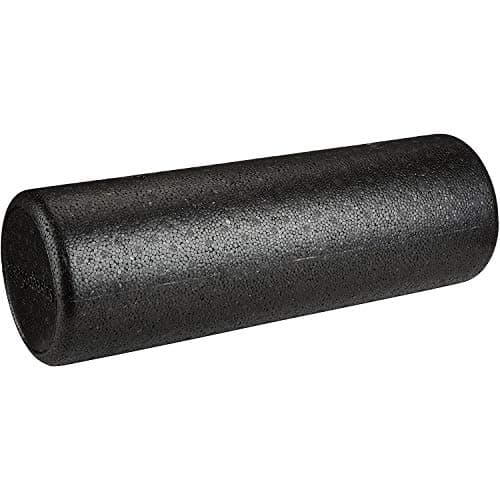
The value pick, and honestly all the roller a lot of people need. A firm, molded high-density tube with a smooth surface — no texture, no gimmicks — that holds up and costs about as little as a solid roller can. Buy this before you buy anything that plugs in.
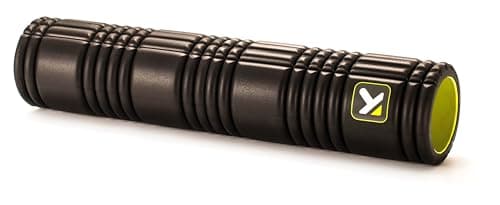
The GRID stretched to 26 inches. Same hollow core, same three-zone multi-density surface, double the length — which makes it the one to buy if your priority is your back, because you can lie fully along it and roll both legs at once.
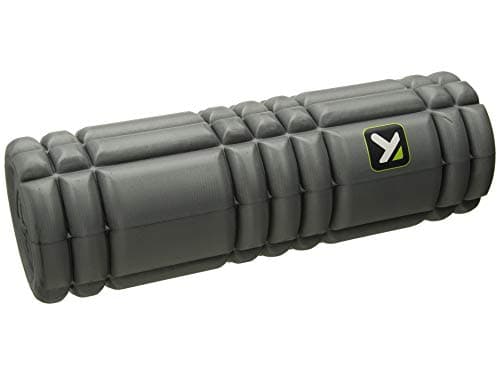
The softer TriggerPoint. A solid medium-density EVA roller with a gentler, smoother feel than the GRID — the right first roller if you are new to rolling, coming back from an injury, or you just find firm rollers too intense.
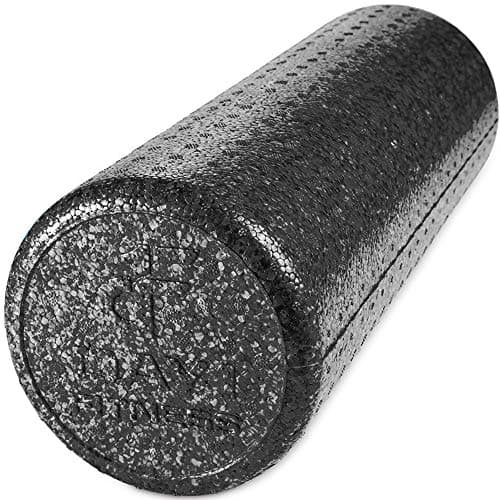
The cheapest pick we are comfortable recommending. A firm, molded high-density roller that comes in a range of lengths and simply does the job. Nothing clever about it, and that is the point — buy the length you want and spend the savings elsewhere.
#ad · Live prices from the Amazon Product API, as of October 19, 2026. Where we have no verified live price, we show none — a gap beats a number that has rotted.
In detail
The picks, in full
01
Best overall
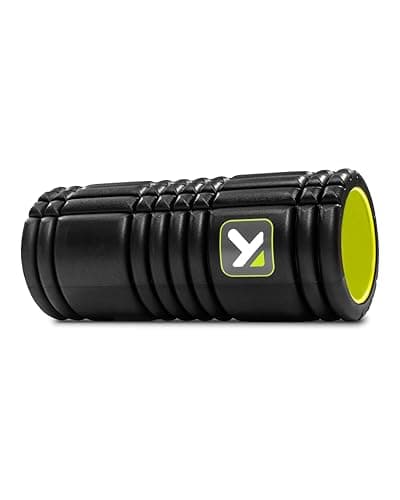
TriggerPoint GRID 1.0 Foam Roller
13 in x 5.5 inHollow rigid coreMulti-density GRID surface500 lb load limit
8.6/10
The default recommendation for almost everyone. A 13-inch roller with a rigid hollow core wrapped in patented multi-density foam that gives you three textures on one surface, holds its shape for years, and costs a fraction of the vibrating options that do not do the job any better.
Firmness
8
Durability
9
Versatility
9
Portability
9
Value
8
Pros
+Multi-density surface gives flat, tubular and knobbed textures in one roller
+Hollow rigid core keeps its shape where cheap solid rollers deform over time
+Firm without being brutal — usable by beginners and experienced rollers alike
+Rated to a 500 lb static load and shrugs off years of use
Cons
−At 13 inches it is a touch short for rolling the whole back in one pass
−Textured surface is more aggressive than a plain roller if you are very tender
Don't buy this if…
…you want the longest roller for full-back and both-legs coverage — size up to the 26-inch GRID 2.0 below.
The GRID has been the reference-point foam roller for over a decade, and the reason is construction. Instead of a solid block of foam that slowly crushes into an oval, it uses a hard hollow core hand-wrapped in EVA foam molded into three distinct zones — flat stretches that mimic a palm, tubular ridges that mimic fingers, and firmer nodules that mimic a thumb. In practice that means one roller covers broad flushing strokes and more pointed pressure without buying a second tool.
At 13 inches long and 5.5 inches in diameter it is compact enough to throw in a gym bag, and the water-resistant EVA surface wipes clean. The only real limitation is length: for lying lengthwise along your spine, the longer GRID 2.0 below is easier. For everything else, this is the one to buy first.
18 in length~6 in diameterMolded polypropyleneSmooth surface
8.0/10
The value pick, and honestly all the roller a lot of people need. A firm, molded high-density tube with a smooth surface — no texture, no gimmicks — that holds up and costs about as little as a solid roller can. Buy this before you buy anything that plugs in.
Firmness
8
Durability
8
Versatility
7
Portability
7
Value
10
Pros
+Firm high-density foam that keeps its shape under load
+Smooth surface applies even pressure — easy for beginners
+Longer 18-inch length is better for the back than a 13-inch roller
+About as cheap as a durable roller gets
Cons
−No multi-texture surface, so it cannot dig at knots the way a GRID can
−Firm density can feel harsh on very tight or tender muscles at first
Don't buy this if…
…you want a textured surface that targets specific knots — a patterned roller like the GRID does that and a smooth tube does not.
There is a version of the foam-rolling market that wants you to believe you need a connected device. You do not. A molded high-density roller like this one delivers firm, even pressure along the length of a muscle, which is the core of what foam rolling does. The 18-inch length is genuinely useful — it is long enough to lie along and roll your upper back and lats without hanging off the ends.
The trade-off versus the GRID is the flat, smooth surface: even and predictable, but it cannot concentrate pressure on a specific spot. For that you pair it with a massage ball, which costs another few dollars and reaches what a roller cannot.
26 in lengthHollow rigid core3-zone GRID surface500 lb load limit
7.8/10
The GRID stretched to 26 inches. Same hollow core, same three-zone multi-density surface, double the length — which makes it the one to buy if your priority is your back, because you can lie fully along it and roll both legs at once.
Firmness
8
Durability
9
Versatility
8
Portability
6
Value
8
Pros
+Full 26-inch length lets you lie lengthwise along your spine
+Rolls both quads or both calves at the same time — faster sessions
+Same durable hollow core and multi-density surface as the 1.0
+Water-resistant EVA holds firmness for years
Cons
−Bulky — not something you toss in a bag
−Costs noticeably more than the 13-inch version for the same surface
Don't buy this if…
…you mostly want to travel with it or target one limb at a time — the shorter 1.0 is lighter, cheaper and easier to pack.
Solid EVA foamMedium density5.5 in diameterSofter compression
7.6/10
The softer TriggerPoint. A solid medium-density EVA roller with a gentler, smoother feel than the GRID — the right first roller if you are new to rolling, coming back from an injury, or you just find firm rollers too intense.
Firmness
6
Durability
8
Versatility
8
Portability
8
Value
8
Pros
+Medium-density foam is forgiving on sensitive or deconditioned muscles
+Solid EVA construction is durable and water-resistant
+Smoother surface makes it an easy on-ramp to foam rolling
+Comes in more than one length so you can match it to your back
Cons
−Too soft to reach deep, stubborn knots the way a firm roller does
−You may outgrow it and want more pressure within a few months
Don't buy this if…
…you already roll regularly and want serious deep-tissue pressure — the firmer GRID will suit you better.
The cheapest pick we are comfortable recommending. A firm, molded high-density roller that comes in a range of lengths and simply does the job. Nothing clever about it, and that is the point — buy the length you want and spend the savings elsewhere.
Firmness
8
Durability
7
Versatility
6
Portability
7
Value
9
Pros
+Firm molded foam resists bending and holds its shape
+Sold in several lengths, so you can size it to your back
+Very light and easy to move around a room
+About the lowest price for a roller that lasts
Cons
−Plain smooth surface with no targeted texture
−Lesser-known brand — less of a track record than TriggerPoint
Don't buy this if…
…you want a proven multi-density surface and long-term reputation — the GRID costs a little more and earns it.
Marketing talks about brands. What you actually buy is a set of four specs, and once you know your preference on each, the choice makes itself.
Density (firmness). This is the single most important spec, and it is the one nobody prints a clean number for. A softer, medium-density roller (like the TriggerPoint CORE) compresses more under your weight, spreads the pressure, and is the right call for beginners, sensitive muscles, or coming back from injury. A high-density roller (the Amazon Basics, Day 1 Fitness) barely gives, so the pressure is deeper and more intense. The GRID splits the difference with a hard core under a molded foam skin — firm but with some texture-driven give. If you are unsure, start softer: you can always press harder into a soft roller, but you cannot make a brutally firm one gentle.
Length. A 13-inch roller is portable and perfect for limbs — one quad, one calf, the lats. An 18-inch roller is the do-everything middle. A 24 to 26-inch roller lets you lie lengthwise along your spine (the safest way to roll your upper back) and hit both legs at once. If your main complaint is your back, buy long. If you travel with it, buy short.
Diameter. Most standard rollers are about 5 to 6 inches across. That height matters more than it sounds: a full-size 5.5 to 6-inch roller sits you higher off the floor, which makes it easier to control your body weight and to get under the curve of your back. Half-size (3-inch) rollers exist for travel but are harder to balance on.
Surface pattern. A smooth surface spreads even pressure and is the most beginner-friendly — great for warming up and general flushing. A textured surface (the GRID's ridges and nodules) concentrates pressure to work into knots and trigger points, at the cost of feeling more intense. Neither is "better" — a smooth roller plus a cheap massage ball covers the same ground as a textured roller for less money.
Where the money does — and does not — go
Here is the honest cost math. A durable molded roller runs the price of a couple of lunches and lasts for years; there is no consumable, no battery, nothing to replace. The jump to a textured brand-name roller like the GRID buys you a better surface and a hollow core that will not deform — a real upgrade, and still cheap. The jump after that, to a vibrating roller, buys you a motor and a rechargeable battery. Vibration can feel good and may help you tolerate more pressure, but the evidence that it beats a plain roller for recovery is thin. Buy the plain roller first; add vibration later only if you actually want it. When a spec is not published (exact foam durometer, for instance), we describe the feel qualitatively rather than print a number we cannot source.
How we picked
We did not lab-test this gear
Everyone in this category says they tested twenty products. We have not lab-tested any of these, and we say so. What we did instead: compiled the published specifications, pulled the numbers from the manufacturer manuals, ran the cost-to-run and cost-per-unit math where there was math to run, and scored each product against a published rubric. The scores are judgments from documented research — not measurements we took, because we do not have a lab and we will not pretend we do. Where a number came from someone else's work, we name them in Sources.
Questions
Frequently asked
What is the best foam roller for beginners?+
A softer, medium-density roller with a smooth or lightly textured surface. The TriggerPoint CORE is a good example — firm enough to work, forgiving enough that you will not dread it. Start soft; you can always add pressure. If you want more detail on technique, see do foam rollers work?
Is a textured (grid) roller better than a smooth one?+
Not universally. A textured roller concentrates pressure to dig at knots but feels more intense; a smooth roller spreads even pressure and is gentler for warm-ups and beginners. Many people are best served by a smooth roller plus a cheap massage ball for targeted spots.
What length foam roller should I buy?+
For limbs and travel, a 13-inch roller. For general use, an 18-inch. If your priority is your back, buy a 24 to 26-inch roller so you can lie lengthwise along your spine and roll both legs at once.
Do I need an expensive foam roller?+
No. A firm molded roller costs very little and does the core job well. The main upgrade worth paying for is a durable hollow-core roller like the GRID. A vibrating roller is a luxury, not a necessity — we compare the two in best vibrating foam rollers.
How firm should a foam roller be?+
Firm enough to apply real pressure, soft enough that you can relax on it. If a roller makes you tense up and hold your breath, it is too firm for you right now — drop to a medium-density model and work up. Comfort you can breathe through is where the benefit is.
We do not run a testing lab, and we do not pretend to. Where a measured number came from someone else's work, we name them and link them. Where we could not verify something, we say so on the page rather than quietly leaving it out. Read our full method.