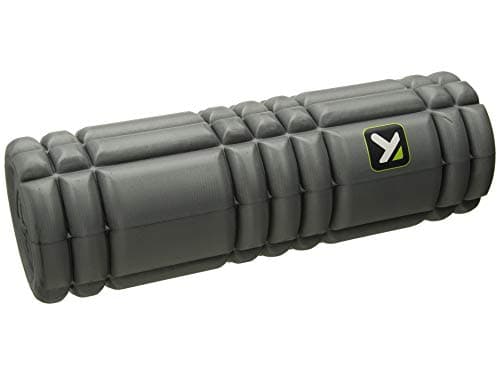
The reason foam rolling has a reputation for hurting is that most people's first roller is the wrong one. A cheap, rock-hard, deeply ridged roller feels like being run over, and a beginner who cannot relax onto the tool gets none of the benefit and quits inside a fortnight. The roller that works for a beginner is the one you can breathe on: medium density, a smooth or lightly textured surface, and long enough that you are not balancing on it. You can graduate to firmer later, and many people never need to.
The five below are tools we already rank in the flagship foam roller roundup, massage sticks and massage balls, re-scored on what a first month asks for: gentleness, learning curve, durability, versatility and value. The order is different from the flagship page because the weighting is different — here the softer roller beats the firmer one. Two picks are not rollers at all: a stick and a peanut ball, because for calves and the upper back they are easier to learn than a roller and cheap enough to buy alongside one.
A word on what to expect, so the tool gets a fair trial. Foam rolling reliably reduces the feeling of soreness after training and buys a short-term increase in range of motion; it does not lengthen muscles permanently or break up anything. Our guide to whether foam rollers work covers the evidence, and how to foam rollcovers the technique muscle by muscle. The buyer's guide below covers the choices that trip beginners up: density, length, and the two body parts to leave alone.
Density: the one choice that decides whether you keep rolling
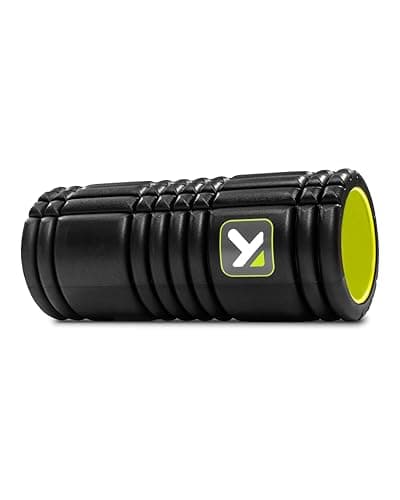
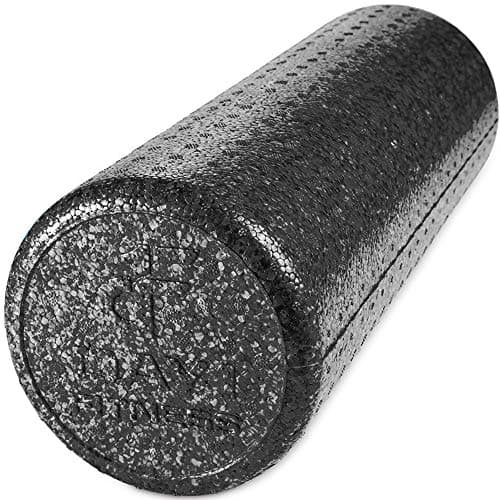
Rollers come in roughly three firmnesses. Soft foam compresses easily and is gentle but crushes into an oval within months. Medium density — the CORE — has enough give that a beginner can relax onto it and enough firmness to do something. High density and the textured rollers — the GRID, the Day 1 — deliver more pressure per pound of bodyweight and hold their shape for years. Start medium. The pressure on a roller comes from how much of your weight you put on it, so a medium roller can always be made harder by leaning in; a hard roller cannot be made softer, and a beginner who cannot relax the muscle gets nothing from the session except the memory of it hurting.
Length: longer is easier
Short rollers — the 13-inch GRID — are portable and fine for calves, quads and glutes. A longer roller, 26 to 36 inches, is easier for a beginner in two ways: you can lie on it lengthwise with your spine along the roller and your arms open, which is the most relaxing thing a roller does, and rolling the back sideways across a long roller does not require balancing. If you have the floor space, buy long; the CORE and the Day 1 both come in long lengths. If you will roll in a gym bag's worth of space, buy the GRID.
The two tools that make the first month easier
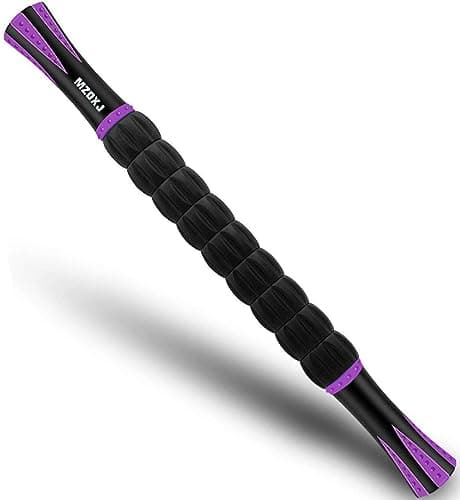
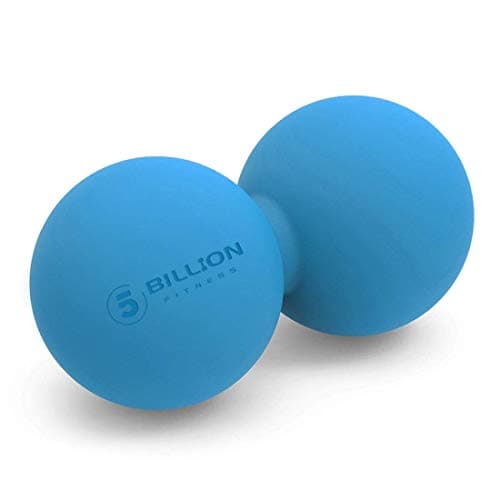
A roller asks you to control pressure with your bodyweight while balancing, which is the hardest part for a beginner. The stick and the peanut ball remove that. With a stick you sit in a chair and run it along a calf, setting the pressure with your hands; with a peanut ball you stand against a wall with it behind your upper back and lean in as much or as little as you like. Both cost little, both are easier to learn than a roller, and for a lot of people they are the tools that get used most. Our comparisons of roller vs stick and roller vs ball go into when each one wins.
Technique for a first session
Pick one muscle — a calf or a quad — and roll it slowly, 30 to 60 seconds, breathing out as you go, pausing on a tender spot for a few breaths rather than grinding on it. Move on. Five or six muscles is a full session, and mild discomfort you can breathe through is the ceiling: sharp pain, numbness or tingling means stop. Rolling reduces the feeling of soreness and frees up range of motion for a while afterward; it does not need to hurt to do that, and there is no evidence that harder is better. The muscle-by-muscle guide has positions for each area, and before or after settles the timing question.
Two places to leave alone
The lower back: the lumbar spine is not protected by a broad rib cage the way the upper back is, the muscles there guard rather than relax under a roller, and it is the usual way a first session ends in a twinge; the muscles that ache in the lower back are better reached with the peanut ball beside the spine or by rolling the glutes and hips, which is where the tension usually comes from. And the IT band on the outside of the thigh: it is a thick band of connective tissue anchored to the femur, not a muscle, and rolling it directly is painful without doing much. Roll the outer quad and the hip muscles above it instead — we explain why in foam rolling and the IT band. Bone, joints and anything that hurts sharply are off the list everywhere.