Almost every “recovery kit” sold as a kit is a box of matching foam in a branded sleeve, priced above the sum of its parts. This is the opposite: six things we already rank as the best in their own categories, assembled in the order a real person should buy them, with the honest instruction to stop as soon as you stop noticing a difference. The whole list costs about what one premium massage gun does, and for most people the first two picks are all they ever need.
The ranking below is buy order, not a new set of verdicts. Every pick here won its own roundup on that page's rubric, and we link back to each one so you can see the full comparison rather than take our word for it. What we have scored on this page is different and specific to a first kit: value, versatility, how easy the thing is to actually use, how portable it is, and how well supported the underlying claim is by published evidence. That last column is why a cheap pair of graduated socks scores as well as a percussion gun.
One principle runs through all of it: recovery gear only works if you use it, and cheap, boring, always-there tools get used far more than expensive ones with a setup ritual. If you want the deeper argument for the cheap end of that trade, read do foam rollers work? and are massage guns worth it? — both are candid about what the evidence does and does not support.
Buy in this order, and stop when you stop noticing
The order above is not arbitrary. It runs from the cheapest, highest-coverage, lowest-friction tool to the most expensive, narrowest, highest-friction one, because that is the order in which recovery gear actually earns its place.
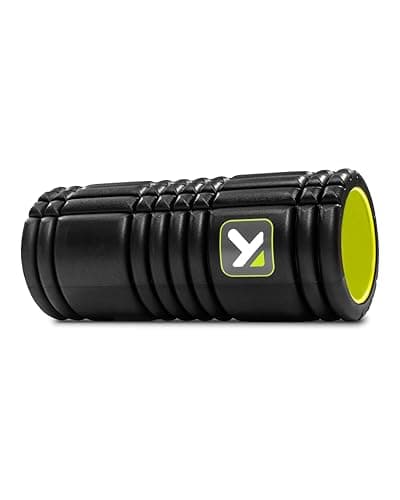
- Roller. Big areas, no power, minutes a day. If you buy nothing else, buy this and use it four times a week for a month.
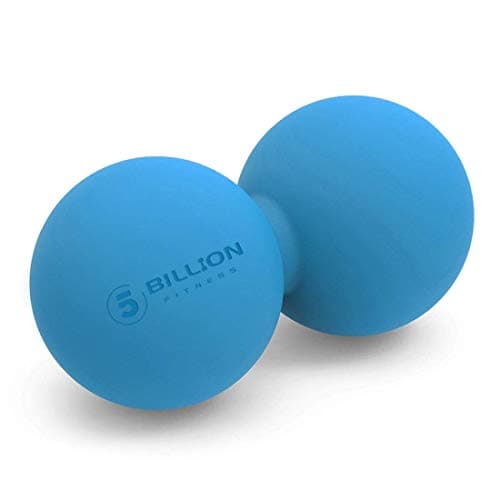
- Massage ball. The points the roller misses — glutes, feet, either side of the spine. Together with the roller, this is a complete mobility kit.
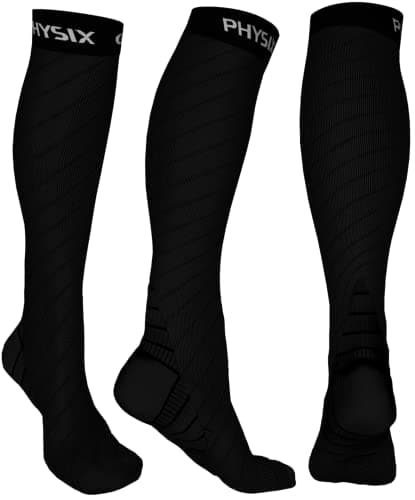
- Compression socks. The best-evidenced item here, and the right first purchase if your legs are tired from standing, traveling or running rather than from lifting.
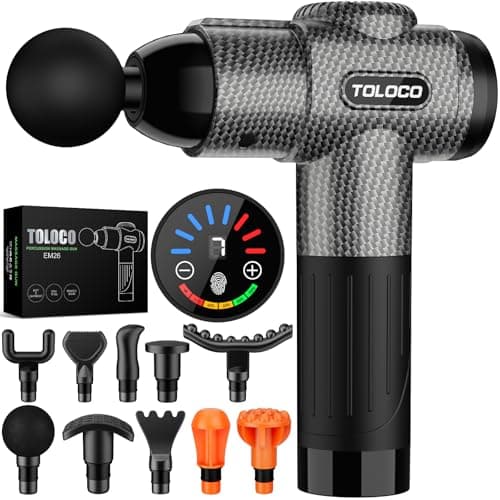
- Massage gun. Speed and reach, for the days you have five minutes instead of fifteen. Buy cheap: the expensive ones buy quiet, not results.
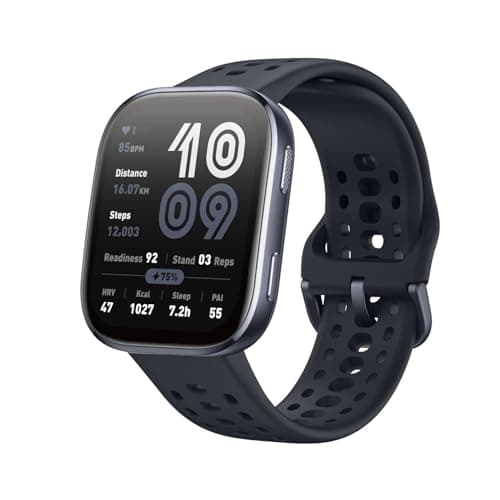
- Tracker. The feedback loop. Resting heart rate and sleep will tell you whether any of the above is doing anything.
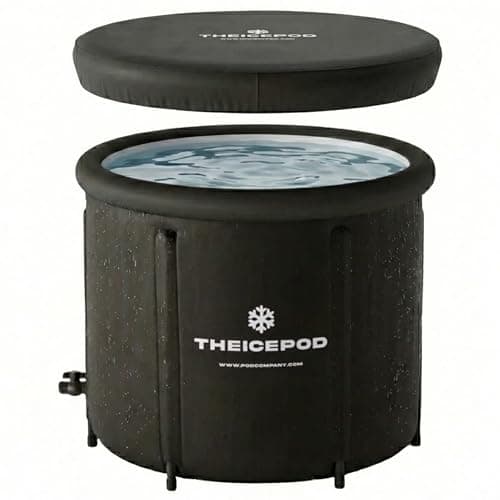
- Cold water. Optional, effortful, and best tried at the cheapest price point that works.
Most people should stop after two. The kit is written as six because the questions people actually ask span all six categories, not because you need six things.
What a starter kit deliberately leaves out
Four categories are missing from this list on purpose, and each one is a common first purchase that we think is a mistake at the start.
- Compression boots. Genuinely good, genuinely expensive, and they do a job that graduated socks do most of for a fifteenth of the price. Buy them when you have high training volume and the socks are no longer enough — the systems are ranked in best compression boots.
- A premium massage gun. Above roughly $150 you are buying a quieter motor, a longer stroke and an app. Those are real, and they are not what a first kit needs. The comparison is in Theragun vs Hypervolt.
- A chilled plunge or a sauna blanket. Both are enjoyable and both are a long way down the priority list. If cold is the thing you actually want, start with the cheap tub above and read cold plunge tubs under $500 vs premium before you spend more.
- A subscription wearable. The best recovery data available comes with a monthly fee attached, and over two years that fee usually exceeds the hardware. Start free and upgrade if you find you look at the numbers — best recovery wearables does that arithmetic properly.
The thing that decides whether any of it works
Dose and consistency, not equipment. Ten minutes of rolling four times a week beats an hour of rolling once a fortnight, and it beats a $400 gun in a drawer by an infinite margin. That is the entire reason this kit is ordered by friction rather than by capability: the tool you reach for without thinking is the tool that changes anything.
Concretely, that means a roller by the sofa rather than in a cupboard, the ball in your bag, the socks in the drawer you open every morning, and short sessions rather than heroic ones. The same argument extends to what you stand in between sessions: a contoured recovery sandal by the door gets worn every day, which is more than most powered gear manages. The technique pages worth reading before you start are how to foam roll, foam rolling before or after a workout and how to use a massage gun. None of them takes five minutes, and all of them will get you more than the next $100 of gear would.
What this kit costs, and what it replaces
We will not print a total, because every price on this site is pulled live and stamped with a date rather than typed from memory — the table above has today's numbers and you can add them up in ten seconds. What is worth stating is the shape of it. All six picks together land in the same bracket as a single premium massage gun, and the first two — the roller and the ball, the two we would fight hardest to keep — are among the cheapest items anywhere on this site.
That is the argument for building a kit this way. Recovery marketing sells the top of every category as the entry point; the categories themselves are cheap, and the cheap end of most of them is physiologically identical to the expensive end. Where it genuinely is not — quieter percussion, chilled water, five-zone compression — we say so on the relevant page and rank the upgrade honestly.