Skip to content
Rep & Recovery

Tracking · Recovery Wearables

The best recovery wearables, ranked on data and total cost

Five trackers that actually tell you when to train and when to back off — ranked on recovery data, comfort and, critically, whether the numbers cost you a monthly fee after you buy.

By Stephen V.Updated How we review
#ad

We earn a commission when you buy through our Amazon links, at no extra cost to you. It never changes a verdict, and we say so when the cheaper product is the better buy. How this works.

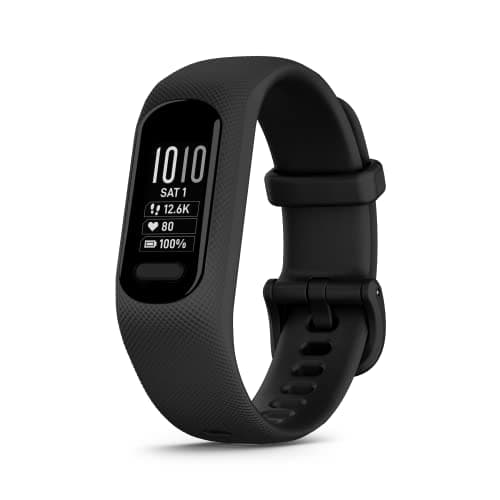
A recovery wearable earns its place only if it changes what you do the next morning — train hard, or take it easy. The best ones read your sleep, resting heart rate and heart rate variability overnight and turn that into a single readiness number you can act on. Our top pick is the Garmin vívosmart 5, because its Body Battery score does that job well and, just as importantly, it does it with no monthly fee.

That last point is the one most roundups skip. Two of the most-hyped recovery devices only reach their full potential behind a paid membership, which means the sticker price is not the price. We rank with that in mind: a tracker that reads recovery for free beats a slightly smarter one that bills you every month, unless you genuinely need the extra depth. If a subscription is your dealbreaker, jump to our best no-subscription trackers; if pristine heart rate is the goal, a chest strap on our best HRV monitors list beats any wrist device.

To be clear about method: we do not lab-test theseand we are not clinicians. We compile each device's published sensors, battery figures and water ratings from the manufacturer, cross-check the recovery features against how the underlying measurements actually work, and do the cost math ourselves. The full approach is on how we review. A wearable is a trend tool, not a medical device — the number to watch is your own baseline moving over weeks.

The short answer

Quick picks

#ProductBest forScorePrice
01
Garmin Garmin vívosmart 5
Garmin vívosmart 5

The recovery tracker to beat for most people: Garmin's Body Battery turns your sleep, stress and heart rate variability into one honest readiness score, on a slim band that needs no subscription. Not flashy, not a full smartwatch, but it answers the only question that matters each morning.

Best overall
8.0
$149.99Amazon
02
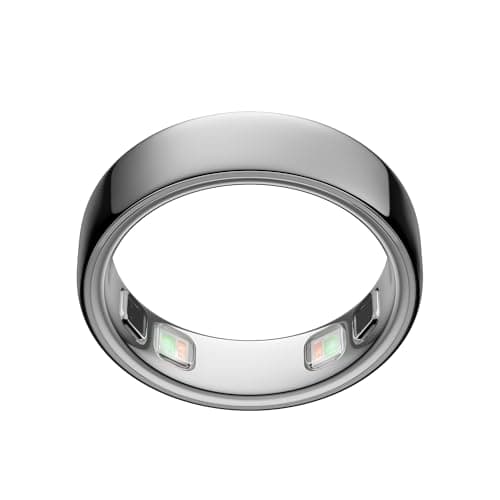
Oura Oura Ring 4
Oura Ring 4

The best sleep and readiness data in the group, on the most comfortable form factor — a ring you forget you're wearing. The catch is real: the insights that justify the ring need a paid Oura Membership, so the purchase price is only the down payment.

Best readiness & sleep (subscription)
7.8
$349.00Amazon
03
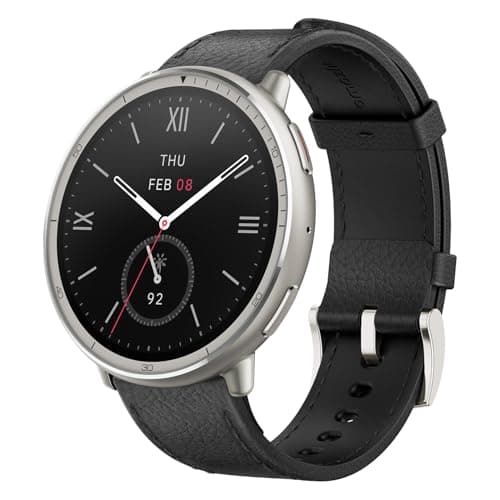
Amazfit Amazfit Active 2
Amazfit Active 2

The value sweet spot: a proper smartwatch with built-in GPS, offline maps and solid sleep and HRV tracking, all free in the Zepp app with no subscription. It won't out-analyze Garmin or Oura, but it covers the recovery basics for a fraction of the running cost.

Best value, no subscription
7.6
$129.98Amazon
04
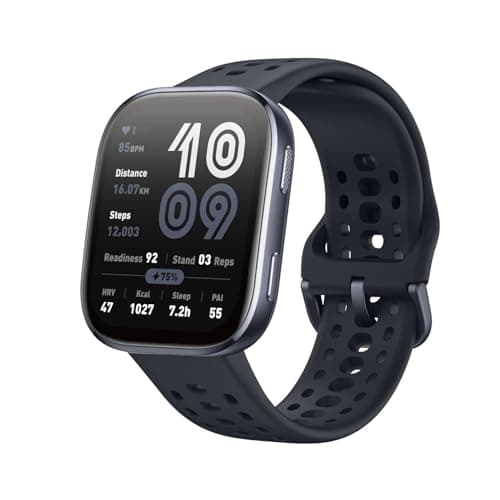
Amazfit Amazfit Bip 6
Amazfit Bip 6

The budget pick that punches far above its price: a 1.97-inch AMOLED, built-in GPS, Bluetooth calling and up to two weeks of battery, with all health tracking free in the Zepp app. The recovery data is basic, but you're paying the least of anyone here to get it.

Best budget
7.4
$79.00Amazon
05
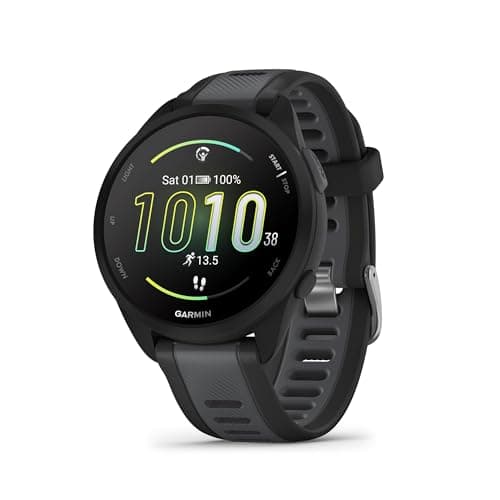
Garmin Garmin Forerunner 165
Garmin Forerunner 165

The pick for runners who also want recovery data: a proper multi-GNSS GPS watch with an AMOLED screen, Body Battery, HRV Status and training load, all with no subscription. Overkill if you just want a readiness number — exactly right if you train and race.

Best for runners
7.2
$204.00Amazon

#ad · Live prices from the Amazon Product API, as of Jul 20, 2026. Where we have no verified live price, we show none — a gap beats a number that has rotted.

In detail

The picks, in full

01
Garmin Garmin vívosmart 5

Best overall

Garmin vívosmart 5

Body Battery recoveryPulse Ox (SpO2)~7-day battery5 ATM · no subscription
8.0/10

The recovery tracker to beat for most people: Garmin's Body Battery turns your sleep, stress and heart rate variability into one honest readiness score, on a slim band that needs no subscription. Not flashy, not a full smartwatch, but it answers the only question that matters each morning.

Recovery insight
8
Sleep
7
Battery
8
Comfort
8
Value
9

Pros

  • Body Battery is a genuinely useful readiness readout, free of any membership
  • Slim, light band is comfortable to wear overnight for sleep and HRV data
  • Tracks stress, sleep stages, resting heart rate and Pulse Ox
  • 5 ATM water rating handles swimming and showers

Cons

  • Small monochrome OLED display shows less at a glance than a smartwatch
  • No built-in GPS — it borrows your phone's for mapped workouts
  • All-day Pulse Ox roughly halves the battery life

Don't buy this if…

you want live pace and distance from the wrist without carrying a phone — a GPS watch like the Forerunner 165 is the right tool.

Body Battery is the reason this wins. It combines heart rate variability, stress, sleep and activity into a 0–100 energy score that rises with rest and falls with strain, and it is the closest thing to a "readiness" number you get without paying a subscription. It is not magic — it is the same overnight HRV and sleep signals other devices use — but Garmin presents it clearly and charges nothing extra for it.

The honest trade is that this is a fitness band, not a smartwatch or a running computer. The screen is small and monochrome, and there is no onboard GPS. If your recovery routine is "sleep well, walk, lift, don't overcook it," that is exactly enough. If you want mapped runs from the wrist, size up to the Forerunner 165 below.

$149.99View on Amazon

Price as of Jul 20, 2026. Prices change — Amazon's at checkout is the one that counts.

#ad · we may earn a commission from this link to Garmin vívosmart 5

02
Oura Oura Ring 4

Best readiness & sleep (subscription)

Oura Ring 4

PPG + temperature sensorsUp to 8-day battery100m water resistantMembership required
7.8/10

The best sleep and readiness data in the group, on the most comfortable form factor — a ring you forget you're wearing. The catch is real: the insights that justify the ring need a paid Oura Membership, so the purchase price is only the down payment.

Recovery insight
9
Sleep
10
Battery
8
Comfort
9
Value
3

Pros

  • Class-leading sleep staging and overnight HRV from the finger, where signal is cleaner
  • Digital temperature sensor adds illness and cycle trends most trackers lack
  • A ring is the comfiest thing to sleep in — no screen glow, no wrist bulk
  • 100m water resistance and a genuinely discreet look

Cons

  • Full readiness, sleep and HRV insights require a paid monthly or annual membership
  • No screen and no on-board GPS — it cannot show live workout data
  • You need the sizing kit first, and rings scratch with heavy lifting

Don't buy this if…

a recurring fee is a dealbreaker, or you want one device that also shows notifications and live pace — the ring does neither.

On pure capability, the Oura Ring 4 is the best recovery device here. Measuring from the finger gives it a cleaner overnight signal than a wrist sensor, its sleep staging is the most trusted in the consumer market, and the temperature sensor surfaces trends — early illness, cycle phase — that a heart-rate-only tracker misses. Worn in bed, a ring simply disappears.

We rank it second, not first, entirely because of cost of ownership. The ring is expensive up front and then its best insights sit behind an ongoing membership, so the true price keeps climbing for as long as you own it. Whether that is worth it is a real question we answer in full in is the Oura Ring worth it?

$349.00View on Amazon

Price as of Jul 20, 2026. Prices change — Amazon's at checkout is the one that counts.

#ad · we may earn a commission from this link to Oura Ring 4

03
Amazfit Amazfit Active 2

Best value, no subscription

Amazfit Active 2

BioTracker 6.0 PPGBuilt-in GPS + maps~10-day battery5 ATM · no subscription
7.6/10

The value sweet spot: a proper smartwatch with built-in GPS, offline maps and solid sleep and HRV tracking, all free in the Zepp app with no subscription. It won't out-analyze Garmin or Oura, but it covers the recovery basics for a fraction of the running cost.

Recovery insight
7
Sleep
7
Battery
9
Comfort
7
Value
8

Pros

  • Full smartwatch features — GPS, maps, 160+ sport modes — with no mandatory fees
  • Around 10 days of battery, longer than most AMOLED watches
  • Tracks sleep stages, SpO2, stress and readiness in the free Zepp app
  • 5 ATM water rating and a bright, readable AMOLED screen

Cons

  • Recovery analysis is less refined than Garmin's Body Battery or Oura's readiness
  • Zepp's ecosystem and third-party support trail Garmin and Apple
  • Wrist-worn watch is bulkier to sleep in than a band or ring

Don't buy this if…

you want the deepest recovery science on the market — this nails the fundamentals, but Garmin and Oura read the nuance better.

$129.98View on Amazon

Price as of Jul 20, 2026. Prices change — Amazon's at checkout is the one that counts.

#ad · we may earn a commission from this link to Amazfit Active 2

04
Amazfit Amazfit Bip 6

Best budget

Amazfit Bip 6

1.97in AMOLEDBuilt-in GPSUp to 14-day battery5 ATM · no subscription
7.4/10

The budget pick that punches far above its price: a 1.97-inch AMOLED, built-in GPS, Bluetooth calling and up to two weeks of battery, with all health tracking free in the Zepp app. The recovery data is basic, but you're paying the least of anyone here to get it.

Recovery insight
6
Sleep
6
Battery
10
Comfort
7
Value
8

Pros

  • Up to ~14-day battery is the longest in this roundup
  • Big, bright AMOLED with built-in GPS and free maps at a rock-bottom price
  • Sleep, SpO2, heart rate and stress tracking with no subscription
  • 5 ATM water rating and Bluetooth calling included

Cons

  • Recovery and sleep algorithms are the most basic of the group
  • Polymer build feels its price next to Garmin
  • No ANT+ and limited third-party fitness app depth

Don't buy this if…

you want nuanced readiness scoring or premium build — this is a big-battery basics watch, and priced like one.

$79.00View on Amazon

Price as of Jul 20, 2026. Prices change — Amazon's at checkout is the one that counts.

#ad · we may earn a commission from this link to Amazfit Bip 6

05
Garmin Garmin Forerunner 165

Best for runners

Garmin Forerunner 165

AMOLED · multi-GNSS GPSBody Battery + HRV StatusUp to 11-day battery5 ATM · no subscription
7.2/10

The pick for runners who also want recovery data: a proper multi-GNSS GPS watch with an AMOLED screen, Body Battery, HRV Status and training load, all with no subscription. Overkill if you just want a readiness number — exactly right if you train and race.

Recovery insight
8
Sleep
7
Battery
8
Comfort
6
Value
7

Pros

  • Built-in GPS with training load, HRV Status and recovery time, no fees
  • Bright AMOLED display and up to 11 days of battery in smartwatch mode
  • Garmin's mature recovery suite, including Body Battery and sleep tracking
  • 5 ATM water rating with Garmin Pay on all editions

Cons

  • More watch than a pure recovery tracker needs, and priced accordingly
  • A full GPS watch is bulkier to sleep in than a band or ring
  • Base model has no on-board music storage

Don't buy this if…

you don't run or train structured workouts — you'd pay for GPS and race features the vívosmart 5 leaves out for less.

$204.00View on Amazon

$249.9918% off

Price as of Jul 20, 2026. Prices change — Amazon's at checkout is the one that counts.

#ad · we may earn a commission from this link to Garmin Forerunner 165

Do the total-cost math before you fall for a device

Here is the single number this whole category tries to hide: what a recovery wearable costs you over the life you'll own it, not what it rings up at checkout. A tracker that reads your sleep and heart rate variability for free is a one-time purchase. A tracker that puts its readiness score, its trends and its coaching behind a membership is a subscription you bought a sensor to justify. Before you buy anything with a membership, do this: add the monthly fee over two years onto the sticker price, and compare that total against a no-subscription device that does most of the same job. Very often the honest answer is that the free-forever tracker wins.

The specs that actually matter for recovery

Ignore the feature list and look at four things. Overnight HRV and resting heart rateare the backbone of every readiness score, so the device has to be comfortable enough that you wear it to bed — a ring or slim band beats a heavy watch here. Sleep tracking matters, but manage expectations: consumer wearables read sleep-versus-wake well and sleep stages only roughly, because they estimate from movement and heart rate rather than brain waves. Battery life decides whether you actually collect continuous data or leave it on the charger; anything under a week gets skipped. And a water rating of 5 ATM means you never take it off for a shower or a swim, which is how you get an unbroken baseline.

Match the form factor to your life

A ring is the most comfortable thing to sleep in and gives the cleanest overnight signal, but shows you nothing during the day and needs a membership to shine. A bandlike the vívosmart 5 is the balanced middle — light, all-day, free readiness. A smartwatch or GPS watch does the most but is bulkiest overnight and can be overkill if you never run. And if you only care about the rawest heart-rate accuracy for intervals or an HRV baseline, no wrist device beats a chest strap. Whatever you pick, the wearable is one piece of the kit — pair it with the hands-on tools in our massage gun and compression boot guides.

How we picked

We did not lab-test this gear

Everyone in this category says they tested twenty products. We have not lab-tested any of these, and we say so. What we did instead: compiled the published specifications, pulled the numbers from the manufacturer manuals, ran the cost-to-run and cost-per-unit math where there was math to run, and scored each product against a published rubric. The scores are judgments from documented research — not measurements we took, because we do not have a lab and we will not pretend we do. Where a number came from someone else's work, we name them in Sources.

Questions

Frequently asked

What is the best recovery wearable?
For most people, the Garmin vívosmart 5. Its Body Battery score turns sleep, stress and heart rate variability into an honest readiness number, on a comfortable band that needs no subscription. The Oura Ring 4 reads sleep and recovery slightly better, but its best insights cost an ongoing membership.
Do recovery wearables require a subscription?
Some do, some don't — and it's the most important thing to check. Garmin and Amazfit devices give you recovery and sleep data free. Oura requires a paid membership for its full insights, and Whoop won't work at all without one. See our best no-subscription trackers for the fee-free options.
How accurate are wearables for sleep and HRV?
Good for trends, not clinical measurement. Wearables detect asleep-versus-awake reliably, but estimate sleep stages only roughly because they infer from movement and heart rate rather than brain waves. Treat the daily number as noise and watch your own baseline move over weeks.
Is a ring or a watch better for recovery tracking?
A ring is more comfortable to sleep in and gives a cleaner overnight signal, which is why the Oura Ring leads on sleep and HRV. A watch or band shows you data during the day and usually costs less to own. Pick the ring for the best night data, the band or watch for value and daytime use.
Can a recovery wearable tell me when to rest?
It can give you a strong signal, not an order. A low readiness or Body Battery score after poor sleep or a hard week is a real cue to back off. But it is one input alongside how you actually feel and how your training is going, not a medical verdict.

Keep reading

Receipts

Sources

We do not run a testing lab, and we do not pretend to. Where a measured number came from someone else's work, we name them and link them. Where we could not verify something, we say so on the page rather than quietly leaving it out. Read our full method.