Skip to content
Rep & Recovery

Tracking · Recovery Wearables

The best health monitoring wearables, ranked by what they are actually cleared to do

Six wearables compared on the health features that carry a named FDA clearance — ECG, irregular-rhythm and sleep-apnea notifications, blood oxygen, skin temperature — and on the battery life that decides whether you ever wear one overnight.

By Stephen V.Updated Published How we review
#ad

We earn a commission when you buy through our Amazon links, at no extra cost to you. It never changes a verdict, and we say so when the cheaper product is the better buy. How this works.

"Health monitoring" is the most abused phrase on a wearable box. Almost every watch on the shelf claims it, and almost none of them mean the same thing by it. There is a hard line running through this category, and it is the only line worth ranking on: a handful of features on a handful of devices have been through a regulatory submission and carry a named FDA clearance— the ECG app, irregular-rhythm notifications, sleep-apnea notifications, and now hypertension notifications. Everything else — stress scores, "readiness," wellness indexes, most blood-oxygen readouts — is general wellness. It may be interesting. It is not the same thing, and no marketing page will tell you which is which.

So that is what this list ranks on, in order. First, which cleared features the device actually has in the US. Second, battery life, because a health monitor exists to spot something intermittent, and a watch that lives on the charger between 10pm and midnight is not monitoring anything. The NHLBI is explicit that atrial fibrillation can occur with no symptoms at all, which is precisely why continuous wear matters more than a bigger screen. Third, phone lock-in— several of the best health features here only work with one brand of phone. Fourth, the subscription, because a monthly fee changes the real price of a device far more than the sticker does.

One thing to be blunt about before you spend anything: none of these devices diagnoses anything. Every manufacturer here says so in its own documentation, and we repeat it because it matters. A cleared ECG app records a single-lead trace and flags signs of AFib for a doctor to look at; it cannot detect a heart attack, a stroke or a blood clot. If you want the other half of the wearable question — whether the thing helps you train better rather than spot a problem — that is our best recovery wearables roundup. And if you came here hoping a wrist device would replace a blood-pressure cuff, read do fitness trackers measure blood pressure first, because the honest answer is more complicated than the ads suggest.

The short answer

Quick picks

#ProductBest forScorePrice
01
Withings Withings ScanWatch 2
Withings ScanWatch 2

The only device here designed as a health monitor first and a smartwatch second. FDA-cleared ECG and SpO2, a temperature module, and a battery Withings rates at up to 30 days — so it is on your wrist for the overnight and intermittent events the sensors exist to catch. The trade is a small analog-hybrid face instead of a big touchscreen.

Best overall for health monitoring
8.5
$299.00Amazon
02
Garmin Garmin Venu 3
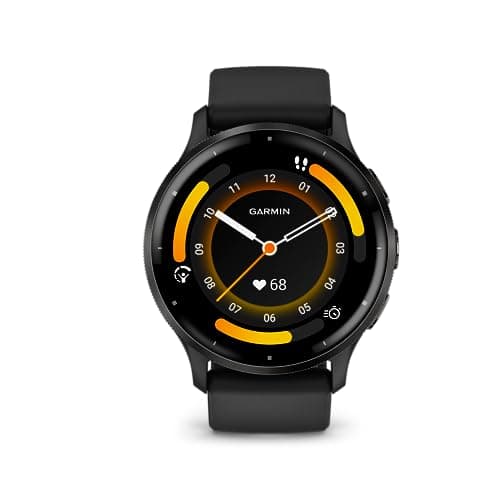
Garmin Venu 3

The no-subscription all-rounder. Garmin's FDA-cleared ECG app records a 30-second single-lead trace on the watch, the pulse oximeter handles overnight SpO2, and every recovery and sleep metric Garmin produces is included forever with no membership. Up to 14 days of battery in smartwatch mode keeps it on overnight.

Best without a subscription
8.2
$291.90Amazon
03
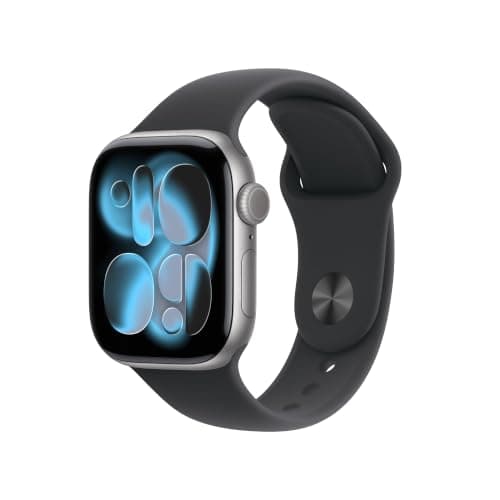
Apple Apple Watch Series 11 (GPS, 46mm)
Apple Watch Series 11 (GPS, 46mm)

The widest set of cleared health features on any wrist, if you carry an iPhone. ECG, irregular-rhythm notifications, sleep-apnea notifications and — new for Series 11 and FDA-cleared in September 2025 — hypertension notifications. The catch is a 24-hour battery on a device whose best features run overnight.

Best for iPhone owners
7.8
$312.55Amazon
04
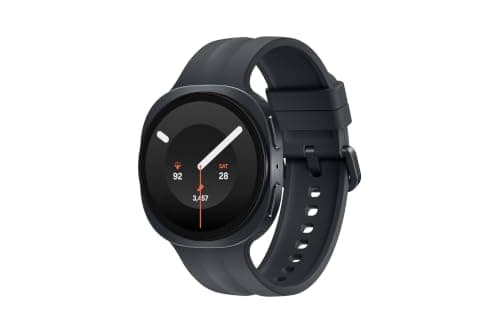
Samsung Samsung Galaxy Watch9 (40mm, Bluetooth)
Samsung Galaxy Watch9 (40mm, Bluetooth)

The Android answer, with one genuinely unusual trick: on-demand ECG and FDA-cleared irregular heart rhythm notifications, plus a cuff-calibrated blood-pressure feature in Samsung Health. All of it needs a Samsung Galaxy phone, which is either fine or a dealbreaker, with no middle ground.

Best for Samsung phone owners
7.5
$379.99Amazon
05
Fitbit Fitbit Charge 6
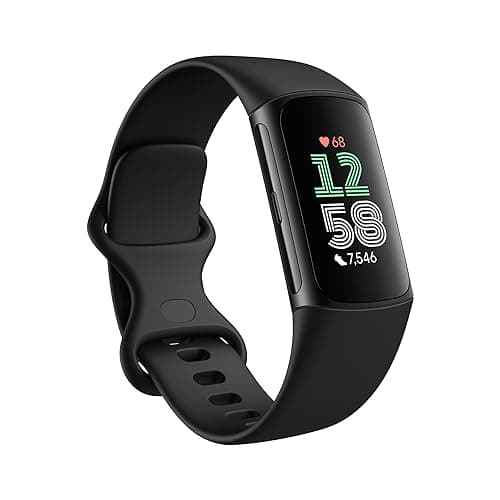
Fitbit Charge 6

The cheapest honest way into a cleared ECG. A slim band with the Fitbit ECG app, irregular-rhythm notifications, overnight SpO2, an EDA stress scan and skin-temperature trends — for a fraction of what the watches above cost. The catch is that Fitbit's better analysis sits behind Premium.

Best value band with a cleared ECG
7.2
$133.90Amazon
06
Amazfit Amazfit Bip 6
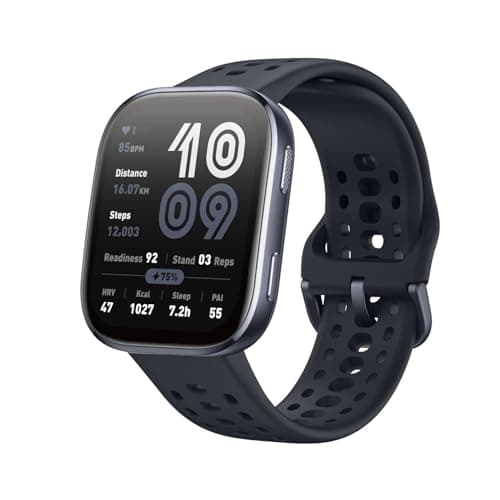
Amazfit Bip 6

The budget pick, listed with a caveat rather than a claim. Heart rate, blood oxygen, sleep and stress in the free Zepp app, a big AMOLED screen, GPS and a 14-day battery for a fraction of the price above — but no ECG and no cleared health feature of any kind. It is a wellness tracker, and we are calling it one.

Best budget (wellness sensors only)
7.0
$79.00Amazon

#ad · Live prices from the Amazon Product API, as of Sep 4, 2026. Where we have no verified live price, we show none — a gap beats a number that has rotted.

In detail

The picks, in full

01
Withings Withings ScanWatch 2

Best overall for health monitoring

Withings ScanWatch 2

FDA-cleared ECG + SpO2Temperature moduleUp to 30-day batteryNo subscription
8.5/10

The only device here designed as a health monitor first and a smartwatch second. FDA-cleared ECG and SpO2, a temperature module, and a battery Withings rates at up to 30 days — so it is on your wrist for the overnight and intermittent events the sensors exist to catch. The trade is a small analog-hybrid face instead of a big touchscreen.

Cleared features
9
Sensor breadth
8
Battery
10
App & data
8
No-subscription
9
Value
7

Pros

  • Cleared ECG and cleared SpO2 on one device, taken from the steel bezel in about 30 seconds
  • Up to 30 days of battery means it is genuinely never off your wrist for a charge
  • Skin-temperature module adds a signal most trackers at this price do not have
  • Health features work without a membership, so the sticker price is the whole price

Cons

  • Small hybrid display — you get a dial and a tiny OLED window, not a smartwatch screen
  • No hypertension or sleep-apnea notification feature to match Apple's newer clearances
  • Sport tracking and app polish are behind Garmin and Apple

Don't buy this if…

you want a full smartwatch face, on-wrist apps or serious training analysis — this is a health instrument in a watch case.

The ScanWatch 2 wins because it is the only pick on this list where the health hardware is the point and the watch is the packaging. Withings put both the ECG and the SpO2 function through FDA clearance, added a temperature module, and then did the thing everyone else refuses to do: it kept the battery at up to 30 days by not carrying an always-on AMOLED panel. For a device whose entire job is catching something intermittent and often silent, that trade is the right way round.

The honest limitation is the screen. You get analog hands, a dial, and a small monochrome OLED window — readable, elegant, and nothing like the Apple or Samsung experience. Workout tracking is competent rather than deep. If you want training depth alongside the health sensors, the Garmin below is the better shape of compromise; if you want the widest set of cleared features regardless of battery, the Apple is. See our tracker vs smartwatch guide if that form-factor call is the part you are stuck on.

$299.00View on Amazon

$369.9519% off

Price as of Sep 4, 2026. Prices change — Amazon's at checkout is the one that counts.

#ad · we may earn a commission from this link to Withings ScanWatch 2

02
Garmin Garmin Venu 3

Best without a subscription

Garmin Venu 3

FDA-cleared ECG app (US)Pulse Ox / SpO2Up to 14-day batteryNo subscription, ever
8.2/10

The no-subscription all-rounder. Garmin's FDA-cleared ECG app records a 30-second single-lead trace on the watch, the pulse oximeter handles overnight SpO2, and every recovery and sleep metric Garmin produces is included forever with no membership. Up to 14 days of battery in smartwatch mode keeps it on overnight.

Cleared features
7
Sensor breadth
8
Battery
8
App & data
9
No-subscription
10
Value
7

Pros

  • FDA-cleared ECG app on the wrist, with results readable immediately or synced to Garmin Connect
  • Nothing is paywalled — sleep, Body Battery, HRV status and training data cost nothing after purchase
  • Up to 14 days in smartwatch mode is the best battery of any full-screen watch here
  • Works equally well with an iPhone or an Android phone, unlike the Apple and Samsung picks

Cons

  • ECG app is US-only on this model and needs current watch and Garmin Connect software
  • No hypertension notification and no sleep-apnea notification feature
  • Garmin Connect throws a lot of numbers at you and takes a while to learn

Don't buy this if…

you specifically want sleep-apnea or hypertension notifications — Garmin offers neither, and only Apple currently does both.

The Venu 3 is the pick for someone who wants a cleared ECG without signing up to anything. Garmin added the ECG app to the Venu 3 series by software update and it is FDA-cleared for signs of AFib, recorded as a 30-second single-lead trace; Garmin states plainly that it is a single-lead recording rather than a multi-lead clinical ECG, and that it is not intended for anyone under 22. Alongside it you get the pulse oximeter, sleep tracking and the whole Body Battery and HRV stack — none of which Garmin charges a recurring fee for, at any price tier. That is the quiet reason this outranks two more expensive watches.

What it does not have is the newer notification-style clearances: no sleep-apnea alert, no hypertension alert. If you want the full Garmin range mapped by price, our best Garmin watches page explains why the expensive models do not buy you better health data — only better screens, maps and GPS.

$291.90View on Amazon

$449.9935% off

Price as of Sep 4, 2026. Prices change — Amazon's at checkout is the one that counts.

#ad · we may earn a commission from this link to Garmin Venu 3

03
Apple Apple Watch Series 11 (GPS, 46mm)

Best for iPhone owners

Apple Watch Series 11 (GPS, 46mm)

ECG + AFib HistorySleep-apnea notificationsHypertension notificationsUp to 24-hour battery
7.8/10

The widest set of cleared health features on any wrist, if you carry an iPhone. ECG, irregular-rhythm notifications, sleep-apnea notifications and — new for Series 11 and FDA-cleared in September 2025 — hypertension notifications. The catch is a 24-hour battery on a device whose best features run overnight.

Cleared features
10
Sensor breadth
9
Battery
4
App & data
9
No-subscription
9
Value
6

Pros

  • The only device here combining a cleared ECG with sleep-apnea and hypertension notifications
  • Hypertension notifications work passively in the background over a month-long window
  • Blood oxygen, high and low heart-rate alerts and a sleep score round out the sensor suite
  • Fast charging claws back roughly eight hours of use from a 15-minute top-up

Cons

  • Around 24 hours of battery — you have to schedule charging around the sleep features
  • iPhone only; the watch is useless to an Android owner
  • Hypertension notifications exclude anyone already diagnosed with hypertension, anyone pregnant and anyone under 22, and Apple says they will not detect every case

Don't buy this if…

you carry an Android phone, or you resent charging a health monitor daily — the Withings and the Garmin both run for weeks.

On cleared features alone the Series 11 is untouchable. The ECG app has been cleared for signs of AFib since 2018, sleep-apnea notifications arrived with Series 10, and the hypertension notification feature picked up FDA clearance days before the Series 11 went on sale in September 2025. That last one works passively, watching the optical heart sensor for patterns over about a month rather than taking a reading. No other consumer wearable currently offers that combination.

We rank it third anyway, for two unglamorous reasons. The battery is rated at about 24 hours, so the device most likely to catch an overnight event is also the one you have to plan charging around. And Apple's own caveats are broad: the hypertension feature is not for people already diagnosed with hypertension, not for pregnant users, not for under-22s, and Apple states it will not detect all cases — a notification is a prompt to log real cuff readings for a week, not a result. Note too that the cheaper Apple Watch SE does notinclude the ECG app at all, which is the single most common mistake buyers make in this category. We compare Apple's approach with the subscription model in Whoop vs Apple Watch.

$312.55View on Amazon

Price as of Sep 4, 2026. Prices change — Amazon's at checkout is the one that counts.

#ad · we may earn a commission from this link to Apple Watch Series 11 (GPS, 46mm)

04
Samsung Samsung Galaxy Watch9 (40mm, Bluetooth)

Best for Samsung phone owners

Samsung Galaxy Watch9 (40mm, Bluetooth)

ECG + FDA-cleared rhythm alertsCuff-calibrated BP featureGalaxy phone requiredWear OS smartwatch
7.5/10

The Android answer, with one genuinely unusual trick: on-demand ECG and FDA-cleared irregular heart rhythm notifications, plus a cuff-calibrated blood-pressure feature in Samsung Health. All of it needs a Samsung Galaxy phone, which is either fine or a dealbreaker, with no middle ground.

Cleared features
9
Sensor breadth
9
Battery
5
App & data
7
No-subscription
8
Value
7

Pros

  • On-demand ECG plus FDA-cleared irregular heart rhythm notifications running in the background
  • The blood-pressure feature is a real differentiator no other mainstream watch offers in the US
  • Full Wear OS smartwatch with a bright AMOLED screen and a broad app library
  • A 390 mAh battery in the 40mm, up from the Galaxy Watch 8's 325 mAh

Cons

  • Samsung Health Monitor needs a Samsung Galaxy phone — a Pixel or a OnePlus will not do
  • Blood pressure must be re-calibrated against an upper-arm cuff every 28 days, and the cuff is sold separately
  • Roughly a day and a half of battery, so overnight wear competes with charging

Don't buy this if…

your phone is not a Samsung Galaxy — the health features that justify this pick simply will not switch on.

Samsung is the only company shipping a wrist blood-pressure feature to US users, and the detail everyone skips is how it works: it is not a cuffless miracle. You calibrate the watch against a real upper-arm cuff, and you re-calibrate every 28 days or it stops working. Samsung states the feature is not intended to prevent or diagnose high blood pressure. Read that as what it is — a trend tool between cuff readings, not a replacement for one.

The ECG and the irregular heart rhythm notification are the more solid pair here, and the notification feature is FDA-cleared. The hard gate on all of it is the Samsung Health Monitor app, which requires a Samsung Galaxy phone running Android 12 or later. If you own one, this is the obvious Android pick. If you do not, buy the Garmin.

$379.99View on Amazon

Price as of Sep 4, 2026. Prices change — Amazon's at checkout is the one that counts.

#ad · we may earn a commission from this link to Samsung Galaxy Watch9 (40mm, Bluetooth)

05
Fitbit Fitbit Charge 6

Best value band with a cleared ECG

Fitbit Charge 6

ECG app + rhythm alertsOvernight SpO2EDA stress scanSlim 24/7 band
7.2/10

The cheapest honest way into a cleared ECG. A slim band with the Fitbit ECG app, irregular-rhythm notifications, overnight SpO2, an EDA stress scan and skin-temperature trends — for a fraction of what the watches above cost. The catch is that Fitbit's better analysis sits behind Premium.

Cleared features
8
Sensor breadth
8
Battery
6
App & data
7
No-subscription
5
Value
9

Pros

  • Far and away the lowest cost of entry to an ECG app and irregular-rhythm notifications
  • Slim and light enough that people actually keep it on overnight, which is the whole point
  • Adds an EDA stress scan and skin-temperature trends that pricier watches skip
  • Built-in GPS plus Google Maps and Wallet make it a usable everyday band, not just a sensor

Cons

  • The richest insights, including Daily Readiness, sit behind a Fitbit Premium subscription
  • ECG app is limited to selected countries and not intended for anyone under 22
  • Battery is measured in days, not weeks — well short of the Withings or the Garmin

Don't buy this if…

recurring fees annoy you — Garmin gives you comparable health hardware with nothing paywalled.

$133.90View on Amazon

$159.9516% off

Price as of Sep 4, 2026. Prices change — Amazon's at checkout is the one that counts.

#ad · we may earn a commission from this link to Fitbit Charge 6

06
Amazfit Amazfit Bip 6

Best budget (wellness sensors only)

Amazfit Bip 6

No ECG, no clearanceSpO2 + sleep + stress14-day batteryNo subscription
7.0/10

The budget pick, listed with a caveat rather than a claim. Heart rate, blood oxygen, sleep and stress in the free Zepp app, a big AMOLED screen, GPS and a 14-day battery for a fraction of the price above — but no ECG and no cleared health feature of any kind. It is a wellness tracker, and we are calling it one.

Cleared features
2
Sensor breadth
5
Battery
9
App & data
6
No-subscription
10
Value
10

Pros

  • Nothing is paywalled — every sensor and metric is free in the Zepp app
  • Around 14 days of battery, so it stays on for the overnight data
  • Big 1.97in AMOLED, built-in GPS and 140+ workout modes at an entry-level price
  • Genuinely useful for spotting trends in resting heart rate and sleep over time

Cons

  • No ECG app and no FDA-cleared health feature — none of its readouts are regulated measurements
  • Optical SpO2 and stress scores are general wellness data, not diagnostic signals
  • Polymer build and lighter third-party support than Garmin or Apple

Don't buy this if…

your reason for buying is heart-rhythm screening — spend up to the Fitbit Charge 6, which has a cleared ECG app.

We include the Bip 6 because a lot of people searching for a health-monitoring wearable have a budget well under $100, and pretending nothing exists there would be dishonest. What is also dishonest is the way this tier is usually sold. The Bip 6 tracks heart rate, blood oxygen, sleep and stress, and its listing makes no ECG claim — because it has no ECG. Every number it produces is general wellness data.

Used for what it is, that is still worth something: a two-week battery on a cheap band gives you a long, unbroken trend line for resting heart rate and sleep, and a change in your own baseline is information worth taking to a doctor. Just do not buy it expecting rhythm screening. It also tops our no-subscription trackers list, where value rather than clearance is the ranking criterion.

$79.00View on Amazon

Price as of Sep 4, 2026. Prices change — Amazon's at checkout is the one that counts.

#ad · we may earn a commission from this link to Amazfit Bip 6

Cleared versus wellness: the only distinction that matters

The US regulatory line runs straight through the middle of this category, and once you can see it the marketing stops working on you. A small set of wearable features have been submitted to the FDA and cleared for a specific, narrow purpose: the ECG app (a 30-second single-lead recording checked for signs of atrial fibrillation), irregular-rhythm notifications (passive background monitoring for rhythms suggestive of AFib), sleep-apnea notifications, and Apple's new hypertension notifications. Everything else on the box — stress scores, energy scores, wellness indexes, most SpO2 implementations — is general wellness, which needs no clearance and makes no regulated claim.

Neither category is worthless. Wellness data is genuinely useful for trends, and a shift in your own resting heart rate over weeks is worth noticing. But when you are choosing a device specifically to monitor something, buy the clearance, not the adjective. Ask which named feature the manufacturer will actually put in writing, and ignore the screenshot of a graph.

Battery life is a health spec, not a convenience spec

This is the ranking decision most roundups get wrong. Atrial fibrillation is frequently intermittent and often symptomless — the NHLBI says it can occur with no symptoms at all, which is exactly what makes it hard to catch. A background rhythm monitor only earns its keep if it is on your wrist during the hours you are not thinking about it, and the two most valuable of those windows are overnight and during ordinary sedentary time. A watch rated for 24 hours is a watch that is off your wrist for part of one of those windows every single day. That is why a 30-day hybrid outranks a more capable 24-hour smartwatch here, and why we would rather you wore a cheap band continuously than a brilliant watch intermittently.

Phone lock-in decides more than the spec sheet does

Two of the six picks are gated by which phone you own, and the gate is absolute. The Apple Watch requires an iPhone. Samsung's ECG, irregular-rhythm and blood-pressure features run in the Samsung Health Monitor app, which requires a Samsung Galaxy phone on Android 12 or later — a Pixel or a OnePlus will not unlock them. Only the Withings, the Garmin, the Fitbit and the Amazfit are genuinely platform-neutral. Check this before you compare anything else, because it eliminates entire columns of the table for most buyers.

What none of these devices does

Every manufacturer here states it in their own documentation, so we will state it too. A cleared ECG app cannot detect a heart attack. It cannot detect blood clots or a stroke. It does not detect high cholesterol, congestive heart failure, or most arrhythmias other than AFib. Hypertension notifications are not a blood-pressure reading and do not replace a cuff — Apple's own instruction on receiving one is to go and log seven days of real cuff measurements. Samsung's blood-pressure feature is calibrated from a cuff and expires every 28 days without one. Most of these features are unavailable to people under 22. If you have chest pain, call emergency services; do not open an app.

How to think about the money

We do not quote prices in prose because they move daily — every pick above shows the live price. But the shape of the market is stable and worth knowing. Entry level, well under $100, buys wellness sensors only: real trend data, no cleared features. The low hundreds buys a cleared ECG app on a band or a hybrid watch. The mid hundreds is where the full-screen smartwatches sit, and where the newer notification-style clearances appear. Paying more than that mostly buys screen, materials and GPS — not more health clearances. And watch the recurring fees: Fitbit gates its best analysis behind Premium, while Garmin, Withings and Amazfit charge nothing after purchase. Over three years, a subscription can quietly outweigh the difference between any two devices on this page. We run that arithmetic across the whole category in the best no-subscription trackers.
How we picked

We did not lab-test this gear

Everyone in this category says they tested twenty products. We have not lab-tested any of these, and we say so. What we did instead: compiled the published specifications, pulled the numbers from the manufacturer manuals, ran the cost-to-run and cost-per-unit math where there was math to run, and scored each product against a published rubric. The scores are judgments from documented research — not measurements we took, because we do not have a lab and we will not pretend we do. Where a number came from someone else's work, we name them in Sources.

Questions

Frequently asked

Which wearables have an FDA-cleared ECG?
On this list: the Withings ScanWatch 2, the Garmin Venu 3 (US), the Apple Watch Series 11, the Samsung Galaxy Watch9 and the Fitbit Charge 6. The Amazfit Bip 6 does not have one. Note that Apple's cheaper SE models do not include the ECG app either — it is a Series and Ultra feature. Availability also varies by country, and every one of these apps states it is not intended for people under 22.
Can a smartwatch measure my blood pressure?
Not the way a cuff does. Optical sensors read reflected light, not pressure against an artery wall. Samsung's Galaxy Watch feature is the closest mainstream option in the US, and it works by being calibrated against a real upper-arm cuff every 28 days — Samsung says it is not intended to prevent or diagnose high blood pressure. Apple's hypertension notifications are a different thing again: a background pattern alert, not a reading. We cover this in full in do fitness trackers measure blood pressure.
What is the difference between an ECG app and irregular-rhythm notifications?
An ECG app is something you choose to do: you hold the crown or bezel for about 30 seconds and it records a single-lead trace, then tells you whether it sees signs of AFib or a normal sinus rhythm. Irregular-rhythm notifications are passive — the optical sensor watches in the background while you are still or asleep and alerts you if it repeatedly sees a rhythm suggestive of AFib. They are complementary, and the notification is usually what prompts you to take the ECG.
Is a cheap tracker useless for health monitoring?
No, but it is doing a different job. A sub-$100 band gives you a long, unbroken trend line for resting heart rate, sleep and blood oxygen, and a sustained shift in your own baseline is a genuinely useful thing to notice. What it cannot do is screen your heart rhythm, because it has no ECG and no cleared feature. If rhythm screening is why you are buying, spend up to a device with a cleared ECG app.
Do I need a subscription for health monitoring features?
Not for the cleared ones. ECG apps and rhythm notifications are not paywalled on any device here. Subscriptions gate the analysis layer instead — Fitbit's Daily Readiness and its deeper insights need Premium, while Garmin, Withings and Amazfit include everything they offer with the hardware. Over two or three years that difference is often larger than the price gap between the devices themselves.
Which matters more, the sensor or the battery?
For a health monitor, the battery more often than people expect. The events these devices exist to catch are intermittent and frequently silent, so coverage beats capability past a certain point. A watch you take off every night to charge is not monitoring the hours it most needs to. That is why we rank a 30-day hybrid above a more capable 24-hour smartwatch, and why comfort matters too — a device you find annoying to sleep in ends up in a drawer.

Keep reading

Receipts

Sources

We do not run a testing lab, and we do not pretend to. Where a measured number came from someone else's work, we name them and link them. Where we could not verify something, we say so on the page rather than quietly leaving it out. Read our full method.