Cold water does not know what you paid for the container. A four-figure tub and a two-figure one hold the same 50°F water and produce the same physiological response, so the only honest question on this page is a narrow one: what does premium money actually buy? The answer turns out to be four specific things — ice-free cold, better insulation, a rigid shell with a real warranty, and quieter, better-documented hardware — and exactly one of those has changed price bracket recently.
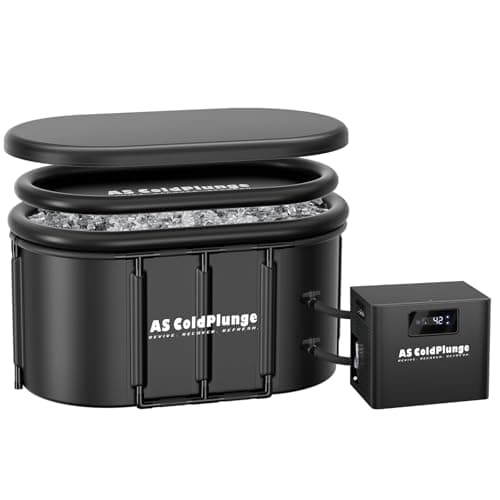
That one is the chiller. A plumbed tub that simply sits at 42°F with no ice in it used to mean a four-figure appliance. It does not any more: complete chiller-and-tub kits now land under $500, which is why our top pick here is one of them rather than the cheapest tub on the page. If you are happy to buy ice, though, be clear that an insulated bag-of-ice tub does the identical therapy for a fraction of the money — those tubs are ranked on capacity and insulation in our best cold plunge tubs roundup, and the electricity arithmetic for running a chiller is worked through in full there too.
A note on the order below, because this page is structured by budget rather than by a single overall rank: picks 1–4 are the under-$500 tier, ranked against each other, and picks 5–6 are the premium builds, ranked against each other. A premium tub scoring above a budget one is not a mistake — it is the whole point of the comparison. If you want a chiller on its own to retrofit a tub you already own, that is a different purchase, and the best cold plunge chillers list ranks those on horsepower.
The four things premium money actually buys
Strip away the photography and a cold plunge tub is an insulated bucket. Everything you can pay extra for falls into four categories, and it is worth knowing which one you care about before you shop.
- Ice-free cold (a chiller). The only upgrade that changes your daily routine rather than your experience of it. This is the feature that used to define the premium tier and no longer does — complete kits now sit under $500.
- Insulation. For an ice tub, insulation is the running cost: foam or multi-layer walls plus a fitted lid mean one ice load lasts hours instead of one session. For a chilled tub it is the difference between a compressor that idles and one that never stops.
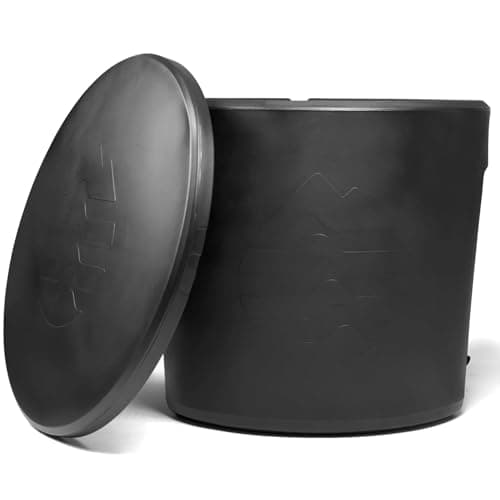
- Rigidity and warranty. A rotomolded barrel or a drop-stitch shell holds its shape, tolerates weather, and has paperwork behind it. An inflatable with a one-year marketplace warranty does not. This is the least glamorous and most real difference between the tiers.
- Documentation and noise. Premium brands publish temperature floors, decibel figures and dimensions, and their compressors are quieter. Budget brands publish a title and some photographs. That gap matters more than buyers expect at the point something goes wrong.
Notice what is not on that list: how cold the water gets. Every tub here reaches recovery temperature, because ice reaches recovery temperature. Cold is the commodity; convenience and durability are the products.
Under $500: what the tier looks like now
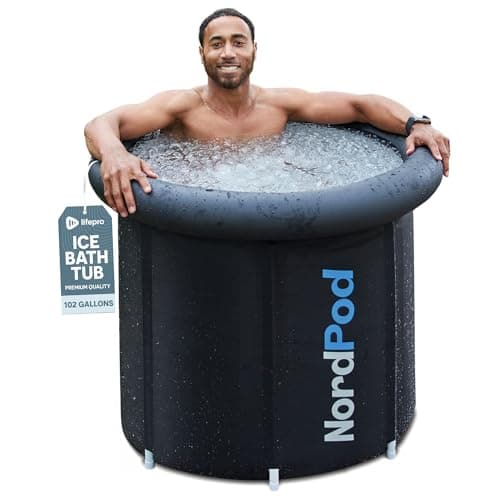
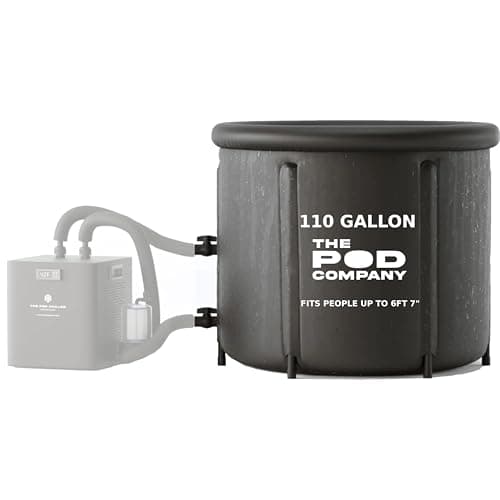
The under-$500 bracket used to mean one thing — an insulated inflatable and a trip to the ice machine. It now splits three ways. At the bottom you get a genuinely good insulated ice tub: the Ice Pod Pro and the NordPod both fit a 6 ft 7 in adult, both ship with a lid, and both cost nothing to run. In the middle you can buy volume instead — a 216-gallon tub you can recline in, at the cost of needing far more ice to cool it. And at the top of the tier, under $500 now buys a complete chiller kit: tub, refrigeration, pump and filter, thermostatically held, no ice.
That last option is the one that redrew the map, and it is why our top pick is not the cheapest tub on the page. But it is only the right buy at frequency. Plunging most days, the chiller wins on both cost and adherence. Plunging twice a week, the ice is cheaper than the electricity and the hardware combined, and the honest recommendation reverts to an insulated tub. Work out your real frequency first — how long and how often to cold plunge is a good place to be realistic about it.
Above $500: when the premium tier is the right answer
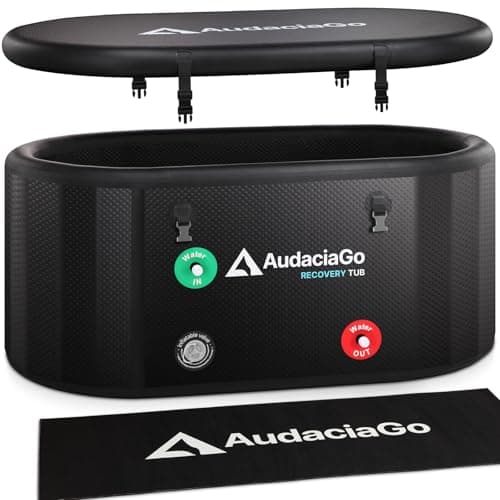
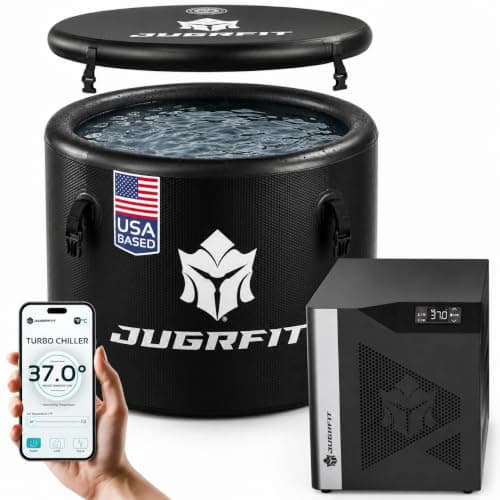
There are three buyers for whom the premium tubs here are plainly correct. The first wants a permanent installation — a barrel that lives on a patio for a decade, weathers the seasons, and carries a lifetime warranty. An inflatable will not do that job, and replacing a cheap tub every two years is not thrift. The second wants the whole thing solved in one purchase: an all-in-one is a chiller, a filter, an app and a rigid shell that arrive together and work together, with one company responsible when they do not. The third is anyone plunging in a hot climate, where thin insulation and an undersized compressor lose the fight against ambient heat.
What none of those buyers is getting is a better plunge. If you are spending premium money hoping for a physiologically superior cold exposure, save it — the difference between these tiers is measured in convenience, longevity and noise, not in degrees. The physiology is covered honestly in cold plunge benefits, and the terminology in cold plunge vs ice bath.
Buy this if
- You want to try cold water at all — the Ice Pod Pro. Lowest outlay, real capacity, an upgrade path.
- You will plunge a few times a week with ice — the NordPod. The best insulation per dollar means the least ice.
- You want to lie back rather than sit up — the 216-gallon XXL, and budget for the ice or a bigger chiller.
- You will plunge most days and hate the ice run — the AS ColdPlunge kit. Ice-free cold under $500 is the biggest change this category has seen.
- You want a tub you buy once — the Ice Barrel 300.
- You want the whole problem solved in one box — the JUGRFIT all-in-one, and accept the running cost.
Same cart
The cheap stuff that decides whether the expensive thing gets used. These are add-ons, not ranked picks — no rubric, no score, and nothing here changes a verdict above.
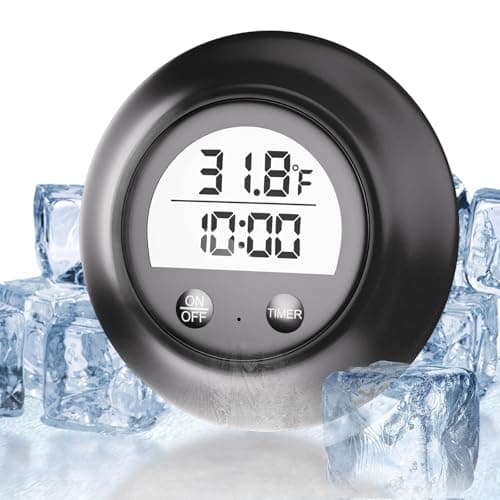
Ice Bath Thermometer with Timer
"As cold as I can stand" is not a temperature. The guidance on this site is 50-59°F for two to five minutes, and neither number means anything without a thermometer and a clock — this floats in the tub and carries both.
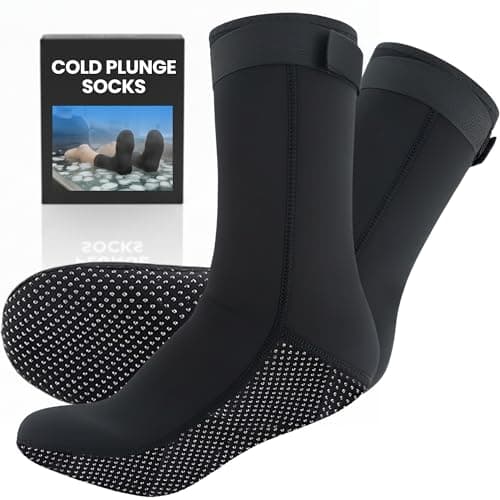
3mm Neoprene Cold Plunge Booties
Feet hit the pain ceiling long before the rest of you does, which is why most people climb out early. 3mm neoprene buys back the last minute or two of a session. Sold by size — pick yours on the listing.
Add-on
Insulated cold plunge tub cover
A covered tub holds its temperature between sessions and keeps leaves, dust and sunlight out of the water — most of what decides whether a plunge is cheap to run. Covers are cut to a specific tub shape and size, so we link the search rather than guess your dimensions.
#ad · Live prices from the Amazon Product API, as of October 18, 2026. Where fit or size varies by tub, body or machine we link a search instead of guessing, and where we have no verified price we show none. We may earn a commission.