Skip to content
Rep & Recovery

Tracking · Recovery Wearables

Apple Watch vs Garmin, decided on battery and clearances

Both make a good watch. They fail in opposite directions: Apple has the widest set of FDA-cleared health features and about a day of battery; Garmin has one cleared feature and up to two weeks. Here is which failure you can live with.

By Stephen V.Updated How we review
#ad

We earn a commission when you buy through our Amazon links, at no extra cost to you. It never changes a verdict, and we say so when the cheaper product is the better buy. How this works.

For most people, buy the Garmin Venu 3. It runs up to 14 days between charges, carries an FDA-cleared ECG app in the US, never charges a subscription for sleep, HRV or recovery data, and works the same with an iPhone or an Android phone. Buy the Apple Watch Series 11instead if you carry an iPhone and specifically want the widest set of cleared health features on any wrist — ECG, sleep-apnea notifications and hypertension notifications — and you accept charging it every day.

That is the whole comparison in two sentences, because the two brands do not really compete on quality. They compete on which compromise you take. Apple builds a small, brilliant computer that happens to monitor your health and needs a nightly charge. Garmin builds a training and recovery instrument that happens to tell the time and runs for a fortnight. No amount of spec reading changes that trade.

There is one filter in front of everything else: an Apple Watch needs an iPhone. Not prefers one — needs one. If you carry an Android phone, the Apple side of this page is unavailable to you and the decision is which Garmin, not which brand. Garmin works fully on both platforms, which is the quiet reason it keeps winning household arguments. Below: five picks across both brands, then the table that settles it.

If your phone is an Android, this comparison is already settled — the Apple Watch is not an option at all — and the real question is which of the Android-compatible watches suits your phone brand. That is ranked in best smartwatches for Android.

The short answer

Quick picks

#ProductBest forScorePrice
01
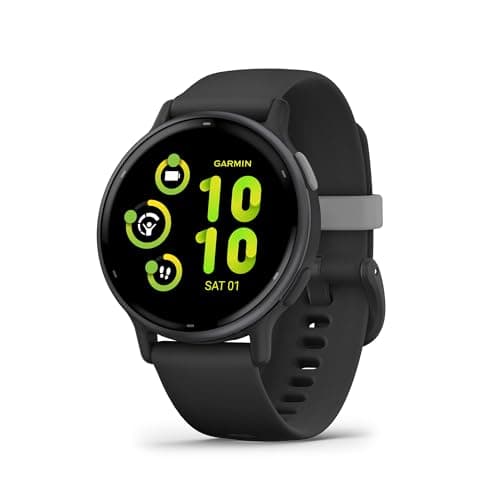
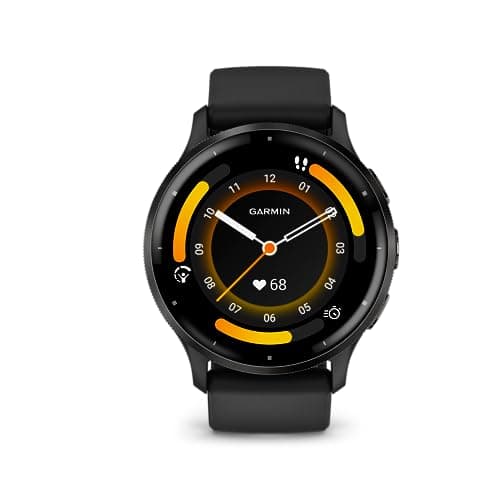
Garmin Garmin Venu 3
Garmin Venu 3

The pick for most people in this comparison. Up to 14 days of battery, an FDA-cleared ECG app in the US, the full Garmin recovery stack (Body Battery, HRV Status, sleep) with nothing paywalled, and it works identically with an iPhone or an Android phone. It is the only watch here that is never the wrong answer because of your phone.

Best overall, either phone
8.6
Check price →
02
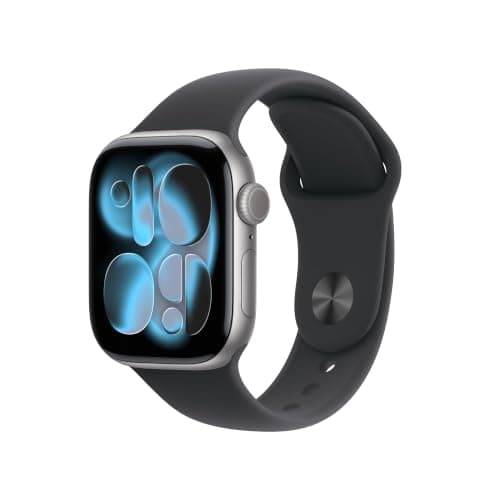
Apple Apple Watch Series 11 (GPS, 42mm)
Apple Watch Series 11 (GPS, 42mm)

The widest set of FDA-cleared health features on any wrist: ECG, irregular-rhythm notifications, sleep-apnea notifications and hypertension notifications, which cleared in September 2025. It is the best health monitor here and the worst battery here, at about 24 hours, on a device whose best features run overnight.

Best cleared health features (iPhone)
6.0
$399.00Amazon
03
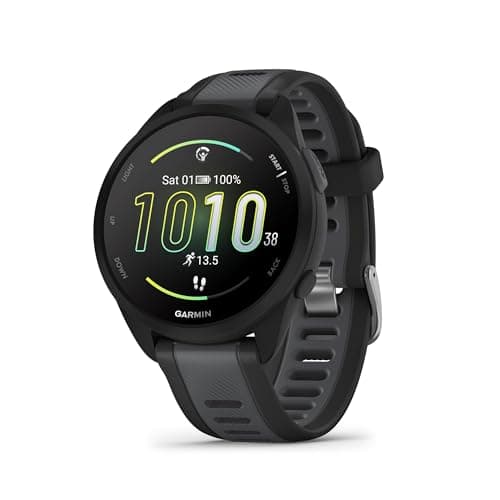
Garmin Garmin Forerunner 165
Garmin Forerunner 165

The answer if you run. Multi-GNSS GPS, an AMOLED screen, Body Battery, HRV Status and training load for no fee, with up to 11 days of battery. An Apple Watch records your runs; this one tells you whether to do the next one.

Best for runners
8.2
$197.94Amazon
04
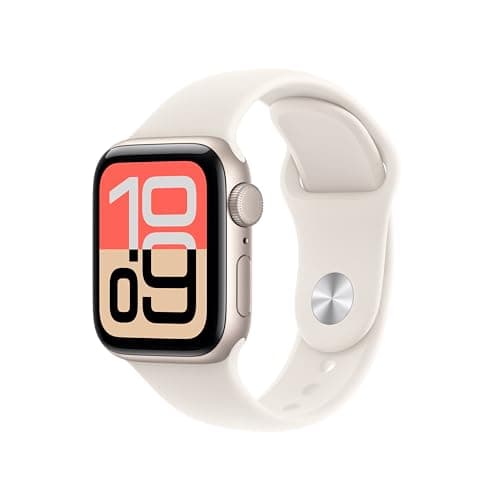
Apple Apple Watch SE 3 (GPS, 40mm)
Apple Watch SE 3 (GPS, 40mm)

The cheapest honest way onto the Apple side, and the pick for an older relative because of Fall Detection: after a hard fall it alerts the wearer and, if they stay immobile for about a minute, calls emergency services itself. What it does not have is the ECG app, and that omission catches a lot of buyers.

Cheapest Apple route
5.0
$239.00Amazon
05
Garmin Garmin vívoactive 5
Garmin vívoactive 5

The Garmin for someone who wants the recovery data without looking like they are about to race a triathlon. AMOLED screen, multi-day battery, the same no-fee recovery suite, in a case that passes at dinner. The cheapest sensible way onto the Garmin side of this comparison.

Best everyday value
7.6
$198.00Amazon

#ad · Live prices from the Amazon Product API, as of October 19, 2026. Where we have no verified live price, we show none — a gap beats a number that has rotted.

In detail

The picks, in full

01
Garmin Garmin Venu 3

Best overall, either phone

Garmin Venu 3

Up to 14-day batteryFDA-cleared ECG app (US)No subscription, everiPhone or Android
8.6/10

The pick for most people in this comparison. Up to 14 days of battery, an FDA-cleared ECG app in the US, the full Garmin recovery stack (Body Battery, HRV Status, sleep) with nothing paywalled, and it works identically with an iPhone or an Android phone. It is the only watch here that is never the wrong answer because of your phone.

Battery
9
Cleared health features
7
Training depth
8
Phone freedom
10
Cost of ownership
9

Pros

  • Up to 14 days in smartwatch mode, so the sleep and overnight HRV features actually get used
  • FDA-cleared ECG app records a 30-second single-lead trace on the watch
  • Body Battery, HRV Status, sleep tracking and training data are included forever with no fee
  • Platform-neutral: full functionality on iOS or Android

Cons

  • No sleep-apnea notifications and no hypertension notifications — Apple has both, Garmin neither
  • Garmin Connect shows you a great deal of data and takes a couple of weeks to learn
  • ECG app is US-only on this model and needs current watch software

Don't buy this if…

…you want sleep-apnea or hypertension notifications specifically — only Apple currently offers both, and no Garmin offers either.

The Venu 3 wins because it loses the least. It is the only watch on this page that takes nothing away from you based on which phone is in your pocket, charges nothing after purchase, and still gives you a cleared ECG app — which until recently was the one genuine Apple exclusive in this fight. Garmin states plainly that the ECG is a single-lead recording rather than a clinical multi-lead test, and that it is not for anyone under 22; that honesty is worth more than a marketing claim.

Battery is the feature that sounds boring and then decides everything. The health features people buy these watches for — overnight HRV, sleep staging, resting heart-rate trend — all run while you sleep, which is also when a one-day watch sits on its charger. A watch that runs for two weeks collects a complete record by default. For the wider Garmin range, and why the expensive models do not buy you better health data, see best Garmin watches.

Check price on Amazon →

No buyable offer at the last price check (October 19, 2026). We show nothing rather than a stale number.

#ad · we may earn a commission from this link to Garmin Venu 3

02
Apple Apple Watch Series 11 (GPS, 42mm)

Best cleared health features (iPhone)

Apple Watch Series 11 (GPS, 42mm)

ECG + AFib HistorySleep-apnea notificationsHypertension notificationsUp to 24-hour battery
6.0/10

The widest set of FDA-cleared health features on any wrist: ECG, irregular-rhythm notifications, sleep-apnea notifications and hypertension notifications, which cleared in September 2025. It is the best health monitor here and the worst battery here, at about 24 hours, on a device whose best features run overnight.

Battery
4
Cleared health features
10
Training depth
6
Phone freedom
3
Cost of ownership
7

Pros

  • The only watch here combining a cleared ECG with sleep-apnea and hypertension notifications
  • Hypertension notifications work passively in the background over a month-long window
  • The most polished app experience and the brightest, fastest screen on this page
  • Fast charging recovers roughly eight hours of use from a 15-minute top-up

Cons

  • About 24 hours of battery — you have to schedule charging around the sleep features
  • iPhone only; useless with an Android phone
  • Training analysis is shallow next to Garmin: no Body Battery equivalent, less load and readiness modelling

Don't buy this if…

…you carry an Android phone, or you want a watch that keeps collecting overnight data without a charging routine.

On cleared features the Series 11 is untouchable, and that matters if what you want is a health monitor rather than a training computer. The ECG app has been cleared for signs of AFib since 2018, sleep-apnea notifications arrived with Series 10, and the hypertension notification feature picked up FDA clearance days before the Series 11 went on sale. That last one watches the optical sensor for patterns across about a month rather than taking a single reading, and Apple is explicit that it will not catch every case, and excludes anyone already diagnosed with hypertension, anyone pregnant and anyone under 22.

The reason it ranks second is the ranking axis, not the hardware. A health monitor you take off every day to charge is a health monitor with holes in its record, and the training side is genuinely thinner: Apple gives you workouts and rings, Garmin gives you load, readiness and a recovery number. If the subscription-versus-purchase angle is what you are weighing instead, we do that in Whoop vs Apple Watch.

$399.00View on Amazon

Price as of October 19, 2026. Prices change — Amazon's at checkout is the one that counts.

#ad · we may earn a commission from this link to Apple Watch Series 11 (GPS, 42mm)

03
Garmin Garmin Forerunner 165

Best for runners

Garmin Forerunner 165

AMOLED, multi-GNSS GPSBody Battery + HRV StatusUp to 11-day battery5 ATM, no subscription
8.2/10

The answer if you run. Multi-GNSS GPS, an AMOLED screen, Body Battery, HRV Status and training load for no fee, with up to 11 days of battery. An Apple Watch records your runs; this one tells you whether to do the next one.

Battery
9
Cleared health features
3
Training depth
10
Phone freedom
10
Cost of ownership
9

Pros

  • Proper running-watch GPS with training load, HRV Status and recovery time included
  • Up to 11 days of battery in smartwatch mode and a bright AMOLED display
  • Structured workouts and race planning that Apple does not match
  • 5 ATM water rating with Garmin Pay across all editions

Cons

  • No ECG app on this model — the Venu 3 above is the Garmin with one
  • Bulkier to sleep in than a band or a ring
  • Base model has no on-board music storage

Don't buy this if…

…you want cleared heart-rhythm features; a Forerunner is a training watch, not a health monitor.

$197.94View on Amazon

$249.9921% off

Price as of October 19, 2026. Prices change — Amazon's at checkout is the one that counts.

#ad · we may earn a commission from this link to Garmin Forerunner 165

04
Apple Apple Watch SE 3 (GPS, 40mm)

Cheapest Apple route

Apple Watch SE 3 (GPS, 40mm)

Fall Detection + Emergency SOSAlways-on displayNo ECG appAbout 1-day battery
5.0/10

The cheapest honest way onto the Apple side, and the pick for an older relative because of Fall Detection: after a hard fall it alerts the wearer and, if they stay immobile for about a minute, calls emergency services itself. What it does not have is the ECG app, and that omission catches a lot of buyers.

Battery
4
Cleared health features
5
Training depth
5
Phone freedom
3
Cost of ownership
8

Pros

  • Fall Detection can place the emergency call itself and message contacts with a location
  • On by default for wearers aged 55 and over once age is entered
  • Full iPhone integration at the lowest Apple Watch price
  • No subscription — the price on the box is the price

Cons

  • No ECG app at all, which is the single most common mistake buyers make here
  • About a day of battery, so overnight features need a charging habit
  • Requires an iPhone

Don't buy this if…

…the cleared ECG is why you were buying an Apple Watch — that is the Series 11, and it costs meaningfully more.

$239.00View on Amazon

Price as of October 19, 2026. Prices change — Amazon's at checkout is the one that counts.

#ad · we may earn a commission from this link to Apple Watch SE 3 (GPS, 40mm)

05
Garmin Garmin vívoactive 5

Best everyday value

Garmin vívoactive 5

AMOLED displayMulti-day batteryNo subscriptioniPhone or Android
7.6/10

The Garmin for someone who wants the recovery data without looking like they are about to race a triathlon. AMOLED screen, multi-day battery, the same no-fee recovery suite, in a case that passes at dinner. The cheapest sensible way onto the Garmin side of this comparison.

Battery
8
Cleared health features
3
Training depth
7
Phone freedom
10
Cost of ownership
10

Pros

  • AMOLED display in a design that works outside the gym
  • Same core Garmin recovery data with no recurring fee
  • Multi-day battery, so no nightly charging
  • Broad activity profiles for people who do several different things

Cons

  • No ECG app and no maps
  • Less running-specific analysis than a Forerunner

Don't buy this if…

…you want a cleared ECG (Venu 3) or structured running analysis (Forerunner 165) — this sits deliberately between them.

$198.00View on Amazon

$299.9934% off

Price as of October 19, 2026. Prices change — Amazon's at checkout is the one that counts.

#ad · we may earn a commission from this link to Garmin vívoactive 5

The rows that decide it

Apple WatchGarmin
BatteryAbout 24 hours (SE 3, Series 11)Up to 11-14 days (vívoactive 5, Forerunner 165, Venu 3)
FDA-cleared featuresECG, irregular rhythm, sleep apnea, hypertensionECG app on the Venu 3 series (US); no apnea or hypertension features
Phone requirediPhone onlyiPhone or Android, full functionality on both
Training and recovery dataWorkouts, rings, a basic sleep scoreBody Battery, HRV Status, training load, recovery time
SubscriptionNone for the watch health featuresNone, at any price tier

Read that table as a single question: do you want the most cleared health features, or the most complete record? Apple wins the first outright. Garmin wins the second by a factor of ten, because a watch on your wrist for 14 straight nights sees 14 nights.

Platform lock-in is the filter, not a footnote

An Apple Watch is an iPhone accessory. It cannot be set up, paired or used with an Android phone, and no firmware update changes that. Garmin publishes and maintains Garmin Connect for both platforms, and nothing in the recovery stack is withheld from either. If there is any chance you switch phones in the next three years, or if the watch is a gift for someone whose phone you have not checked, that asymmetry is the most expensive thing on this page to get wrong.

What Garmin gives you that Apple does not

The difference is interpretation. Both brands measure heart rate, heart-rate variability and sleep. Garmin then turns them into Body Battery (a running estimate of how much you have left today), HRV Status (your overnight HRV against your own baseline) and training load with a recovery time. Apple gives you the numbers and the rings and leaves the conclusion to you. If you want a readout that says today is a hard day or today is not, that is Garmin's product — and what HRV actually is explains what those readings can and cannot tell you.

Where Apple is simply better

Three places, and none of them are small. The cleared feature set is wider: nothing Garmin sells watches for sleep-apnea or hypertension patterns. The emergency features are stronger, because Fall Detection on an Apple Watch can phone emergency services itself where Garmin's incident detection messages your contacts. And it is a better watch — faster, brighter, better notifications, better apps. If what you want is a wrist-worn computer that also monitors your heart, buy the Apple and buy a charging habit with it.

Neither one measures blood pressure

Apple's hypertension notification is a pattern alert gathered over about a month, not a reading, and it is explicitly not for people already diagnosed. No Garmin offers anything in this category at all. If a cuff-free blood-pressure number is what you are shopping for, read do fitness trackers measure blood pressure before you spend anything.

How we picked

We did not lab-test this gear

Everyone in this category says they tested twenty products. We have not lab-tested any of these, and we say so. What we did instead: compiled the published specifications, pulled the numbers from the manufacturer manuals, ran the cost-to-run and cost-per-unit math where there was math to run, and scored each product against a published rubric. The scores are judgments from documented research — not measurements we took, because we do not have a lab and we will not pretend we do. Where a number came from someone else's work, we name them in Sources.

Questions

Frequently asked

Is an Apple Watch or a Garmin better for running?
Garmin, clearly, if running is the point. A Forerunner gives you structured workouts, training load, recovery time and up to 11 days of battery, which means it survives a race weekend without a charger. An Apple Watch records runs accurately and then tells you much less about what to do next. Our Garmin range guide maps which model suits which kind of runner.
Does Garmin have an ECG?
Yes, on some models. Garmin added an FDA-cleared ECG app to the Venu 3 series in the US, recording a 30-second single-lead trace on the watch. It is not on the Forerunner 165 or the vivoactive 5, so if a cleared ECG is your reason for buying a Garmin, the model matters as much as the brand.
Does either brand charge a subscription?
Neither one does for the health and recovery features on the watch. That is worth stating because their main rival does: a Whoop band has no purchase-only option at all. We put the three-year arithmetic side by side in Garmin vs Whoop.
Can a Garmin work with an iPhone?
Yes, completely. Garmin Connect is a full iOS app and nothing in the sleep, HRV or training stack is held back from iPhone owners. The reverse is not true: an Apple Watch cannot be used with an Android phone at all, which is why platform is the first filter on this page rather than the last.
Which has better sleep tracking?
Garmin, mostly for an unglamorous reason: its watches are still on your wrist at 3am because they run for days. On nights when both devices are worn the two are closer than the marketing suggests, and independent work on consumer sleep trackers finds all of them good at sleep-versus-wake and weaker at staging. A ring is more comfortable to sleep in than either — see best smart rings.
Which is better value over three years?
Garmin, on two counts. Neither brand charges a subscription, so the sticker price is the lifetime price for both — but Garmin's cheaper models deliver the full recovery stack, and a two-week battery means far fewer charge cycles and a longer useful life. The Apple Watch's advantage is features you may never need; its cost is a device you replace sooner.

Keep reading

Receipts

Sources

We do not run a testing lab, and we do not pretend to. Where a measured number came from someone else's work, we name them and link them. Where we could not verify something, we say so on the page rather than quietly leaving it out. Read our full method.