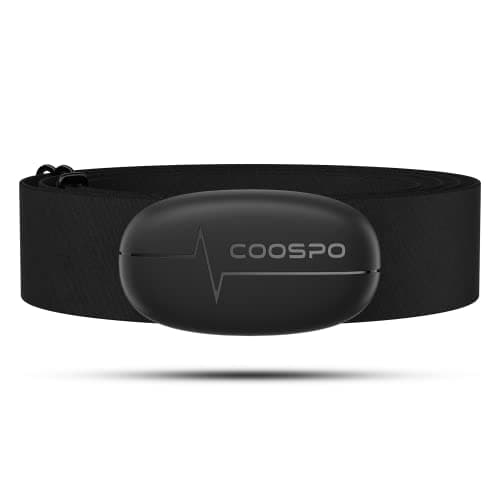
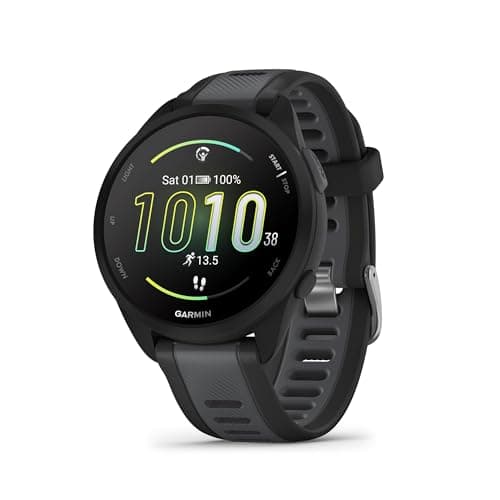
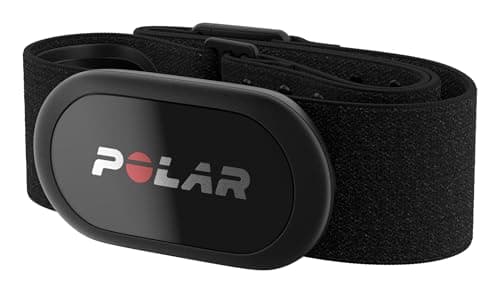
The two devices measure genuinely different things. A chest strap uses electrodes against the skin to detect the electrical signal your heart generates with every beat — the same class of signal an ECG records. A wrist sensor shines light into the skin and measures how much bounces back, inferring beats from the pulsing of blood in the vessels below. That is called photoplethysmography, and it is an inference rather than a direct reading.
For steady-state effort, both are usually close enough that you would not care. The gap opens under four conditions: rapid changes in intensity, like intervals; cold weather, when blood moves away from the skin; gripping and wrist movement, which shifts the sensor against the skin; and beat-to-beat measurement, which is what heart-rate variability actually is.
The short answer: your watch is fine for daily heart rate, sleep and general trends. Add a chest strap if you do intervals, if you care about accurate HRV, or if you have ever looked at your watch mid-session and known the number was wrong. Straps are cheap enough that this is not a difficult decision.
The four situations where the wrist gets it wrong
- Intervals and sudden intensity changes. Optical sensors smooth their output, so a hard 30-second effort can be over before the number catches up. Straps track it almost immediately.
- Cold weather. Blood moves away from the skin surface to preserve core temperature, which is precisely the blood an optical sensor is trying to see. Winter running is where wrist readings most often go visibly wrong.
- Gripping and wrist flexion. Weight training, rowing, cycling on the hoods, kettlebell work — anything that tenses the forearm moves the sensor against the skin and changes what it sees.
- Beat-to-beat variability. HRV is a measurement in milliseconds between consecutive beats. Small timing errors that do not matter for average heart rate matter enormously here.
Where the wrist is genuinely fine
Do not over-correct. For resting heart rate, sleep, overnight HRV trends and steady-state exercise, a modern wrist device is accurate enough for the decisions you make with it. You are lying still, the sensor is not moving, and you are looking at a multi-week trend rather than a single value. That covers the entire recovery use case this site most often recommends — which is why we keep pointing at watches and rings for recovery and only reach for a strap when training precision comes up.
Fit is most of a strap's accuracy
A badly worn strap is worse than a wrist sensor, and this is the most common reason people conclude straps are unreliable. Three rules: wet the electrodes before you put it on (dry electrodes on dry skin read erratically for the first several minutes), position it just below the chest muscles rather than around the stomach, and tighten it enough that it does not slide when you move. Replace the coin cell when readings become erratic, and hand-wash the strap regularly — dried salt on the electrodes degrades contact.
Do you need both?
For most people the answer is a watch, plus a cheap strap they put on for hard sessions. The watch handles the 23 hours a day when you want continuity and comfort; the strap handles the hour when the number needs to be right. Every Garmin, and most other watches, will pair with a strap over ANT+ or Bluetooth and use it in place of the wrist sensor — so you are not choosing an ecosystem, only adding a sensor.
If your only goal is HRV measurement for recovery, note that a strap plus a phone app is a complete solution and considerably cheaper than any watch. Our best HRV monitors roundup ranks that specific setup, and what is HRV explains what you are actually measuring.
What neither of them does
Neither is a medical device. A chest strap reads the same class of electrical signal an ECG does, but it is not an ECG and does not diagnose arrhythmias. Neither measures blood pressure, whatever the marketing on some devices implies — we go through that claim in do fitness trackers measure blood pressure. If you have symptoms — palpitations, chest pain, unexplained breathlessness — the answer is a clinician, not a better sensor.
How we picked
Everyone in this category says they tested twenty products. We have not lab-tested any of these, and we say so. What we did instead: compiled the published specifications, pulled the numbers from the manufacturer manuals, ran the cost-to-run and cost-per-unit math where there was math to run, and scored each product against a published rubric. The scores are judgments from documented research — not measurements we took, because we do not have a lab and we will not pretend we do. Where a number came from someone else's work, we name them in Sources.