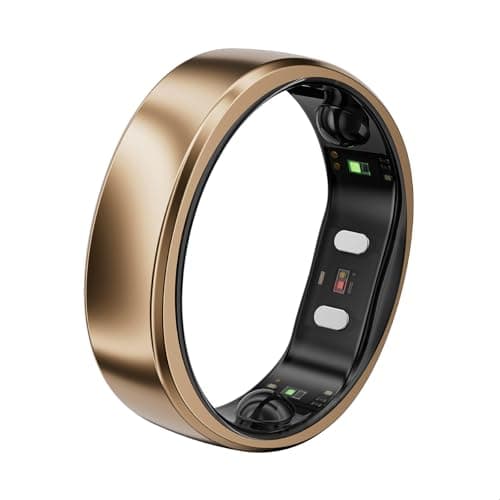
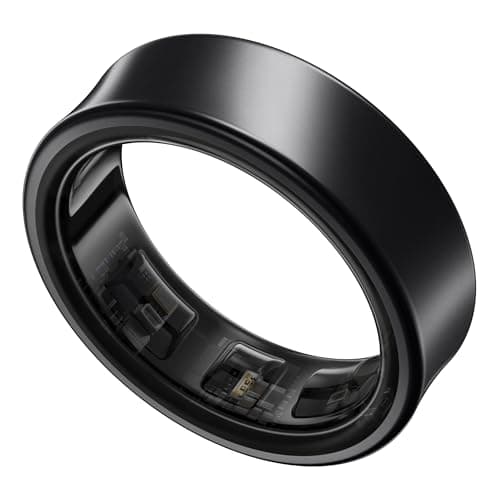
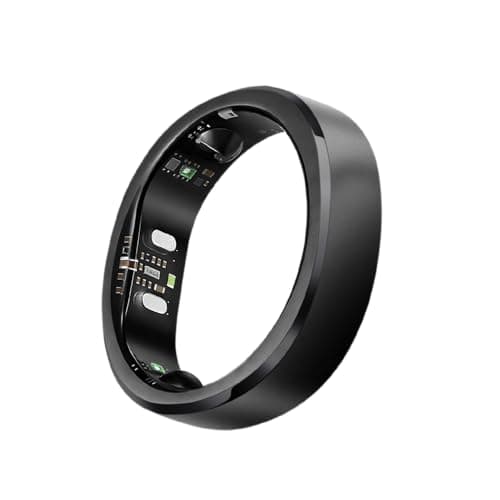
The Oura Ring is the device most people picture when they hear "smart ring," and it earns that: the sleep staging is the most trusted in consumer hardware, the readiness score is genuinely useful, and the fifth-generation ring is small enough to forget. The reason people go looking for an alternative is almost always the same one — you buy the ring, and then you keep paying a membership for the insights that made you want it. The second reason is cheaper hardware; the third is that they would rather wear a band or a watch after all.
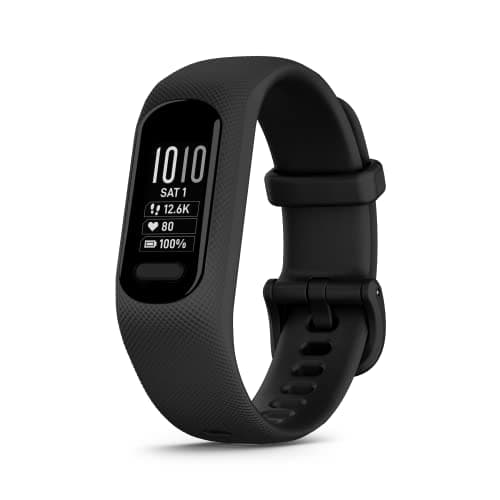
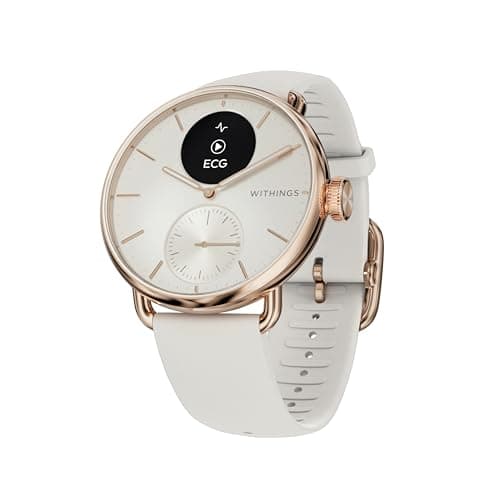
This page takes each of those reasons seriously. Three of the picks are rings we already rank in best smart rings, re-scored here specifically against what Oura offers. Two are wrist devices from best recovery wearables and best health-monitoring wearables, for the reader whose honest conclusion is that a ring was never the right shape. If your question is whether to buy Oura at all, that is a separate page: is the Oura Ring worth it?
A frank note before the list. No alternative currently matches Oura on the depth of its sleep analysis or the polish of its app, and we are not going to pretend one does. What the alternatives match is the core: overnight heart rate, HRV trend, sleep duration and staging, a daily readiness number and, on the better rings, a temperature trend. If those core metrics are what you use — and for most owners they are — the gap is smaller than the price difference, and it closes further every year you are not paying a membership.
What you are actually paying Oura for
The Oura Ring is bought outright and then unlocked with a membership. Without it the ring still works at a basic level; with it you get the readiness score, the detailed sleep analysis, the temperature-driven illness and cycle insights, and the guidance layer. The membership is a monthly or annual fee for as long as you want those features, and it is the reason the true cost of an Oura keeps climbing after the ring is paid for. Whether the depth is worth it depends entirely on how much of it you use — and the honest answer for a lot of owners is that they open the app, read one number, and close it.
That is the whole argument for a no-subscription ring. On the one-number-a-morning use case, a RingConn gives you a comparable readiness readout from the same overnight signals — heart rate, HRV, respiratory rate, movement — and never invoices you. On the read-everything-and-track-my-cycle use case, Oura is still better, and the membership is buying something real.
Ring or not a ring?
The finger is a better place to read an overnight signal than the wrist — it is quieter, better perfused, and a ring does not shift the way a band does when you roll over. That is a structural advantage every ring on this list shares with Oura, and it is why the two wrist picks score lower on sleep data even though their daytime features are richer. The trade runs the other way during the day: a ring has no screen, no GPS and no notifications, so live workout data is not something it can show you. If you wear a watch anyway, a ring is a second device; if you do not, a ring is the least intrusive way to get overnight data at all. Our tracker vs smartwatch guide works through the form-factor question in full.
Sizing, and why it matters more than on a watch
A ring has to fit — too loose and the sensor loses contact overnight, too tight and you will not sleep in it. Every ring here is sold by size, and none of them use the same sizing as a jeweler's ring or as each other; Oura's own Ring 5 sizing differs from earlier Oura generations. Order the maker's sizing kit first, wear the sizer to bed for a night, and only then buy the ring. Fingers swell overnight and in heat, which is why a sizer worn for an afternoon is not enough.
What the alternatives cannot do
Three things, said plainly. First, none of the alternatives have Oura's validation record; Oura publishes more research on its sleep staging than any rival, and if you want the most-studied algorithm, that is a real reason to pay. Second, the apps are less refined — fewer derived insights, less elegant trends, and a thinner guidance layer. Third, the temperature-driven features — early illness signals, cycle tracking — are either absent or less developed on the rings here; the Withings, oddly, is the closest match on that one sensor. If any of those three is the reason you bought a ring in the first place, the alternatives will disappoint you, and we would rather say so than collect a commission on a return.