Skip to content
Rep & Recovery

Tracking · Recovery Wearables

The best Whoop alternatives, ranked on what you actually pay for

Whoop is a membership with a band attached. If what you want is the recovery score, the strain number and the sleep data without a bill that never ends, these six get you most of the way there — and four of them never charge you again.

By Stephen V.Updated How we review
#ad

We earn a commission when you buy through our Amazon links, at no extra cost to you. It never changes a verdict, and we say so when the cheaper product is the better buy. How this works.

People search for a Whoop alternative for one of three reasons, and it is worth being honest about which one is yours. The first is the money: Whoop is sold as a membership, not a device, and the band stops collecting data the moment the membership lapses. The second is the screen — or the lack of one. Whoop is deliberately screenless, which some people love and others find absurd on a device they wear all day. The third is that they want the thing Whoop does well — a morning recovery score, a daily strain number and detailed sleep — on hardware that also tells the time, shows a text and runs a GPS workout.

Every device below is one we already rank somewhere in this hub — in best recovery wearables, best Garmin watches or best HRV monitors — re-scored here on the four things a Whoop buyer is shopping for: a readiness or recovery readout, strain or training-load tracking, whether you can comfortably sleep in it, and what it costs to own over three years. The order is different from those pages because the weighting is different. If you are weighing Whoop against one specific rival, we have head-to-heads for Garmin vs Whoop, Whoop vs Oura and Whoop vs Apple Watch.

One thing no alternative replicates exactly: Whoop's strain score, a 0-21 number that accumulates through the day from your heart rate. Garmin's training load and Body Battery, Oura's activity goal and Amazfit's readiness score all do a version of the same job, but none of them present it the way Whoop does. If the strain number specifically is the reason you want a Whoop, you should probably just buy a Whoop. If it is the recovery and sleep side you care about, read on — that is where the alternatives are genuinely as good or better.

The short answer

Quick picks

#ProductBest forScorePrice
01
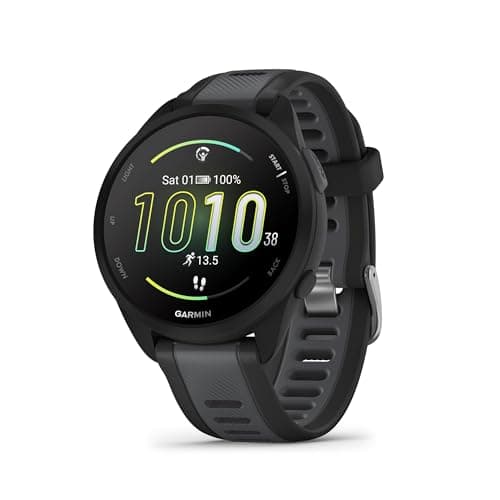
Garmin Garmin Forerunner 165
Garmin Forerunner 165

The Whoop alternative for most people. Body Battery is a daily recovery score, HRV Status is the overnight trend Whoop builds its recovery number on, and training load covers the strain side — all included forever with no membership, on a watch that also has GPS, an AMOLED screen and a battery measured in days.

Best overall, no subscription
8.4
$199.99Amazon
02
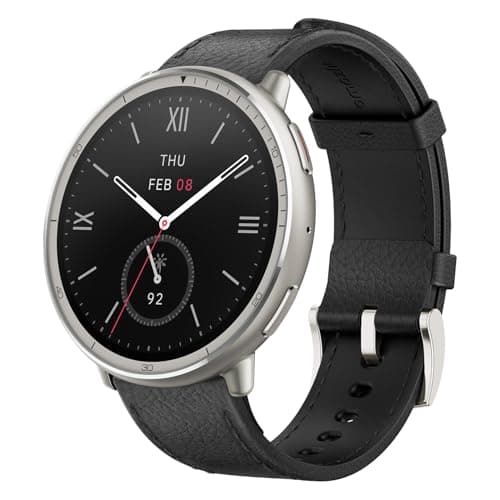
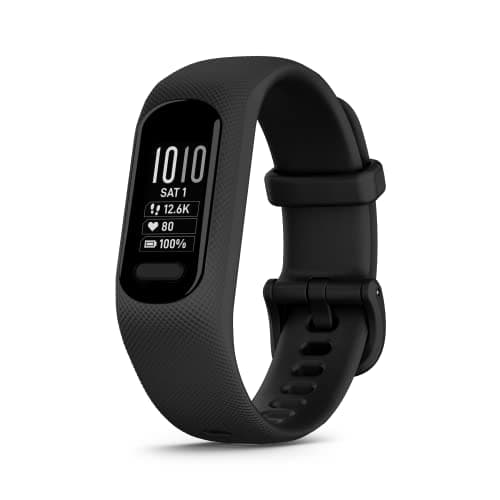
Garmin Garmin vívosmart 5
Garmin vívosmart 5

The closest thing to a Whoop band you can buy outright. A slim, light strap with a small monochrome screen that mostly stays dark, Body Battery for the recovery score, overnight HRV and stress tracking — and no subscription. It gives up GPS and the big screen, which is precisely why it feels like a Whoop on the wrist.

Best band form factor
8.2
$148.90Amazon
03
Oura Oura Ring 5
Oura Ring 5

The other subscription recovery tracker, and the better-designed one for sleep. You own the ring, it reads a cleaner overnight signal from the finger than any wrist band, and its readiness score is the closest equivalent to Whoop's recovery number. The membership is the catch — but unlike Whoop, the ring keeps working at a basic level without it.

Best for sleep and readiness
7.4
$399.00Amazon
04
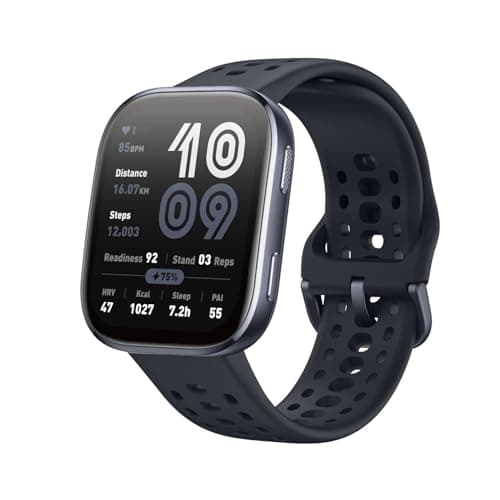
Amazfit Amazfit Active 2
Amazfit Active 2

The value alternative with a readiness score. A proper smartwatch with built-in GPS, offline maps, sleep and HRV tracking and a daily readiness number in the free Zepp app — for a fraction of what a year of Whoop costs. The analysis is less refined than Garmin's or Oura's, but the fundamentals are all here and none of them are paywalled.

Best value smartwatch
7.8
$129.98Amazon
05
Amazfit Amazfit Bip 6
Amazfit Bip 6

The cheapest way to stop paying a subscription. A big AMOLED screen, built-in GPS, up to two weeks of battery and free sleep, HRV and stress tracking in the Zepp app. The recovery data is the most basic on this list, but you are paying the least of anyone to get it — and nothing at all after that.

Best budget
7.6
$79.99Amazon
06
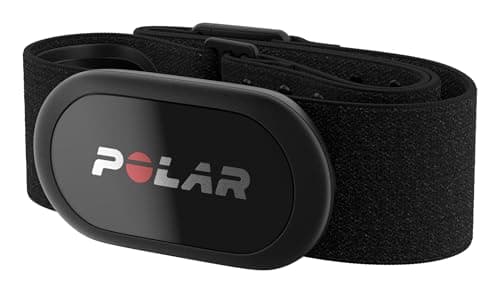
Polar Polar H10 Heart Rate Monitor
Polar H10 Heart Rate Monitor

The alternative for people who only want the numbers. An ECG-accurate chest strap gives you a better HRV reading than any optical wrist band, including Whoop's, and it pairs with free or one-off HRV apps that produce a morning readiness score. You give up all-day passive tracking and sleep data — this is a two-minute morning measurement, not a wearable.

Best for pure HRV accuracy
6.8
$104.88Amazon

#ad · Live prices from the Amazon Product API, as of Sep 19, 2026. Where we have no verified live price, we show none — a gap beats a number that has rotted.

In detail

The picks, in full

01
Garmin Garmin Forerunner 165

Best overall, no subscription

Garmin Forerunner 165

Body Battery + HRV StatusTraining load + readinessAMOLED · multi-GNSS GPSUp to 11-day battery · no subscription
8.4/10

The Whoop alternative for most people. Body Battery is a daily recovery score, HRV Status is the overnight trend Whoop builds its recovery number on, and training load covers the strain side — all included forever with no membership, on a watch that also has GPS, an AMOLED screen and a battery measured in days.

Recovery data
9
Strain / training load
8
Sleep wearability
7
Battery
8
Cost of ownership
10

Pros

  • Body Battery, HRV Status, sleep score and training load — the whole recovery stack, with nothing paywalled
  • Bright AMOLED screen and real GPS, two things a Whoop band simply does not have
  • Up to 11 days of battery in smartwatch mode, so overnight wear does not compete with charging
  • 5 ATM water rating, Garmin Pay, and it works with iPhone or Android

Cons

  • No single daily strain number in Whoop's style — Garmin spreads the idea across training load and Body Battery
  • A watch on the wrist is bulkier to sleep in than a fabric band
  • Base model has no on-board music

Don't buy this if…

you specifically want a screenless device with no notifications on your body — that is the whole Whoop pitch, and the vívosmart below is the closer match.

The Forerunner 165 wins this list because it answers the question a Whoop buyer is actually asking — how recovered am I, and how hard did I go — without a membership. Body Battery is a 0-100 energy score that rises overnight and falls with strain and stress; HRV Status tracks your overnight heart rate variability against your own baseline, which is exactly the signal Whoop's recovery percentage is built on. Garmin's training load and training readiness then cover the strain side. None of it costs anything after the purchase.

What you gain over Whoop is everything a band cannot do: a screen, GPS, pace and distance from the wrist, notifications, payments. What you lose is Whoop's single-minded presentation and its coaching layer. We go through that trade in detail in Garmin vs Whoop.

$199.99View on Amazon

$249.9920% off

Price as of Sep 19, 2026. Prices change — Amazon's at checkout is the one that counts.

#ad · we may earn a commission from this link to Garmin Forerunner 165

02
Garmin Garmin vívosmart 5

Best band form factor

Garmin vívosmart 5

Body Battery recoverySlim band · small OLED~7-day battery5 ATM · no subscription
8.2/10

The closest thing to a Whoop band you can buy outright. A slim, light strap with a small monochrome screen that mostly stays dark, Body Battery for the recovery score, overnight HRV and stress tracking — and no subscription. It gives up GPS and the big screen, which is precisely why it feels like a Whoop on the wrist.

Recovery data
8
Strain / training load
6
Sleep wearability
9
Battery
8
Cost of ownership
10

Pros

  • Body Battery readiness score and overnight HRV, free of any membership
  • Slim, light band is the most comfortable pick here to sleep in — the Whoop-like form factor
  • Tracks stress, sleep stages, resting heart rate and Pulse Ox
  • 5 ATM water rating handles swimming and showers

Cons

  • No built-in GPS — it borrows your phone's for mapped workouts
  • No training-load metric, so the strain side is thinner than the Forerunner's
  • All-day Pulse Ox roughly halves the battery life

Don't buy this if…

you want live pace and distance from the wrist without a phone — the Forerunner 165 above is the right tool.

If the thing you like about Whoop is that it is a discreet band rather than a watch, this is your pick. The vívosmart 5 is thin enough to forget about, the screen is small and mostly off, and it still produces the Body Battery number every morning from the same overnight HRV, sleep and stress inputs the Forerunner uses.

The honest gap is strain. There is no training-load score on this band, so your daytime effort shows up only as Body Battery drain and heart-rate zones. For a lifter, walker or someone whose recovery routine is "sleep well, don't overcook it," that is enough. For a runner tracking load week to week, it is not.

$148.90View on Amazon

Price as of Sep 19, 2026. Prices change — Amazon's at checkout is the one that counts.

#ad · we may earn a commission from this link to Garmin vívosmart 5

03
Oura Oura Ring 5

Best for sleep and readiness

Oura Ring 5

PPG + temperature sensorsReadiness + sleep scores6-9 day batteryMembership for full insights
7.4/10

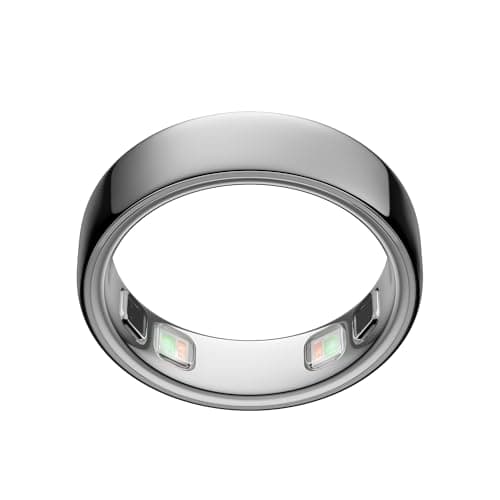
The other subscription recovery tracker, and the better-designed one for sleep. You own the ring, it reads a cleaner overnight signal from the finger than any wrist band, and its readiness score is the closest equivalent to Whoop's recovery number. The membership is the catch — but unlike Whoop, the ring keeps working at a basic level without it.

Recovery data
9
Strain / training load
6
Sleep wearability
10
Battery
8
Cost of ownership
4

Pros

  • Class-leading sleep staging and overnight HRV from the finger, where the signal is cleaner
  • Readiness score is the closest like-for-like replacement for Whoop's recovery percentage
  • You own the ring; core functions continue if the membership lapses, which is not true of Whoop
  • 40% slimmer than the Ring 4 and 100m water resistant — it genuinely disappears in bed

Cons

  • The insights that justify it need a paid monthly or annual membership
  • No screen and no GPS — it cannot show live workout data, same as Whoop
  • Strain tracking is an activity goal, not a continuous exertion score

Don't buy this if…

a recurring fee is the reason you are leaving Whoop — this swaps one membership for another, and the Garmins above have none.

Oura belongs on this list because a lot of people searching for a Whoop alternative are really choosing between the two. On the recovery side the ring is at least Whoop's equal: overnight HRV, resting heart rate, respiratory rate, temperature trend and a readiness score every morning. On the strain side it is weaker — Oura frames your day around a readiness number and an activity goal, not a continuous exertion score.

The cost model is the distinction that matters. Whoop is membership-only — no plan, no data. Oura is buy-the-ring, then subscribe for the depth; without the membership it still works with limited features. That is why it ranks here at all, and why it still ranks below the two Garmins. The full argument is in Whoop vs Oura and is the Oura Ring worth it?

$399.00View on Amazon

Price as of Sep 19, 2026. Prices change — Amazon's at checkout is the one that counts.

#ad · we may earn a commission from this link to Oura Ring 5

04
Amazfit Amazfit Active 2

Best value smartwatch

Amazfit Active 2

Readiness score (Zepp app)Built-in GPS + maps~10-day battery5 ATM · no subscription
7.8/10

The value alternative with a readiness score. A proper smartwatch with built-in GPS, offline maps, sleep and HRV tracking and a daily readiness number in the free Zepp app — for a fraction of what a year of Whoop costs. The analysis is less refined than Garmin's or Oura's, but the fundamentals are all here and none of them are paywalled.

Recovery data
7
Strain / training load
6
Sleep wearability
7
Battery
9
Cost of ownership
10

Pros

  • Sleep stages, overnight HRV, stress and a readiness score, all free in the Zepp app
  • Full smartwatch features — GPS, maps, 160+ sport modes — with no mandatory fees
  • Around 10 days of battery, longer than most AMOLED watches
  • 5 ATM water rating and a bright, readable AMOLED screen

Cons

  • Recovery analysis is less refined than Garmin's Body Battery or Oura's readiness
  • No dedicated strain or training-load metric to rival Whoop's
  • Zepp's ecosystem and third-party support trail Garmin and Apple

Don't buy this if…

you want the deepest recovery science on the market — this nails the fundamentals, but Garmin and Oura read the nuance better.

$129.98View on Amazon

Price as of Sep 19, 2026. Prices change — Amazon's at checkout is the one that counts.

#ad · we may earn a commission from this link to Amazfit Active 2

05
Amazfit Amazfit Bip 6

Best budget

Amazfit Bip 6

1.97in AMOLEDBuilt-in GPSUp to 14-day battery5 ATM · no subscription
7.6/10

The cheapest way to stop paying a subscription. A big AMOLED screen, built-in GPS, up to two weeks of battery and free sleep, HRV and stress tracking in the Zepp app. The recovery data is the most basic on this list, but you are paying the least of anyone to get it — and nothing at all after that.

Recovery data
6
Strain / training load
5
Sleep wearability
7
Battery
10
Cost of ownership
10

Pros

  • Up to ~14-day battery is the longest of any watch here
  • Sleep, SpO2, heart rate and stress tracking with no subscription
  • Big, bright AMOLED with built-in GPS and free maps at a rock-bottom price
  • 5 ATM water rating and Bluetooth calling included

Cons

  • Recovery and sleep algorithms are the most basic of the group
  • No strain or training-load equivalent worth the name
  • Polymer build feels its price next to Garmin

Don't buy this if…

you want nuanced readiness scoring — this is a big-battery basics watch, and its recovery readout is a trend line, not a coach.

$79.99View on Amazon

Price as of Sep 19, 2026. Prices change — Amazon's at checkout is the one that counts.

#ad · we may earn a commission from this link to Amazfit Bip 6

06
Polar Polar H10 Heart Rate Monitor

Best for pure HRV accuracy

Polar H10 Heart Rate Monitor

ECG chest strapBluetooth + ANT+~400 hr coin-cell batteryNo subscription
6.8/10

The alternative for people who only want the numbers. An ECG-accurate chest strap gives you a better HRV reading than any optical wrist band, including Whoop's, and it pairs with free or one-off HRV apps that produce a morning readiness score. You give up all-day passive tracking and sleep data — this is a two-minute morning measurement, not a wearable.

Recovery data
8
Strain / training load
5
Sleep wearability
2
Battery
9
Cost of ownership
10

Pros

  • ECG-based electrode reading is the accuracy benchmark for HRV — better than any optical band
  • Works with third-party HRV apps that produce a daily readiness score from a short morning reading
  • Connects over Bluetooth and ANT+ simultaneously and records without a phone
  • A replaceable CR2025 lasts roughly 400 hours; there is nothing to charge nightly

Cons

  • No sleep tracking, no all-day strain — it measures when you strap it on and not otherwise
  • A chest strap is not something you wear to bed or to the office
  • You need a phone, watch or app to display and store the data

Don't buy this if…

you want the passive, wear-it-and-forget-it experience — that is the entire point of a Whoop, and a strap is the opposite of it.

This is the contrarian pick, and it is here for a specific reader: the person whose interest in Whoop was always the HRV trend, not the band. HRV is a beat-timing measurement, and an ECG electrode strap captures each beat directly rather than inferring it from a pulse. A short, seated morning reading with a strap gives a cleaner number than any overnight optical sensor, Whoop's included.

What you do not get is everything else — sleep staging, respiratory rate, daytime strain, the passive experience. If that trade sounds right, read chest strap vs wrist heart rate before you decide.

$104.88View on Amazon

Price as of Sep 19, 2026. Prices change — Amazon's at checkout is the one that counts.

#ad · we may earn a commission from this link to Polar H10 Heart Rate Monitor

What Whoop actually is, and what you are replacing

Whoop is a screenless band worn on the wrist, bicep or in a garment, with an optical heart-rate sensor and a phone app. It produces three headline numbers: a morning recovery percentage built from overnight HRV, resting heart rate, respiratory rate and sleep; a daily strain score that accumulates from your heart rate through the day; and a sleepscore with a "sleep need" target. Higher-tier hardware adds an ECG feature. The band is sold only with a membership — at the time of writing Whoop's published tiers run from $199 to $359 a year — and without an active membership the band stops collecting data.

That last point is what separates Whoop from everything else in this hub. Garmin and Amazfit sell you a device; the data is yours for as long as it powers on. Oura sells you a ring and then a membership for the depth, but the ring keeps working at a basic level without it. Whoop sells you access. If the hardware outlives your interest in paying, you own a strap. Our no-subscription trackers page ranks the whole fee-free field if that is your only criterion.

Matching the alternative to the reason you are leaving

If it is the money: the Forerunner 165 and the vívosmart 5 are the picks. Both produce a daily recovery score from the same overnight HRV signal Whoop uses, both track sleep and stress, and neither charges a cent after purchase. Over three years the difference in cost of ownership against a Whoop membership is not close.

If it is the screen: you want the Forerunner or the Amazfit Active 2 — both give you an AMOLED display, GPS and notifications, which is everything a band deliberately withholds. If, conversely, you like the screenless idea and only object to the fee, the vívosmart 5 keeps the band form factor and the Oura Ring 5 removes the wrist entirely.

If it is the strain number:be honest with yourself. Garmin's training load, training readiness and Body Battery together cover the same ground, but they are three numbers rather than one, and they are tuned for structured training rather than all-day life. Nothing else here presents daytime exertion as a single accumulating score the way Whoop does. Readers who use strain to pace their day rather than their workouts often end up back on Whoop, and we would rather say so than sell you a watch you will replace.

The data is more similar than the marketing suggests

Every device on this list, Whoop included, uses an optical (PPG) sensor to estimate heart rate, and derives HRV, sleep stages and respiratory rate from that signal plus movement. None of them measure brain waves; consumer sleep staging is an estimate on all of them, and the accuracy research on wrist and finger trackers puts them in the same moderate band. The Polar strap is the exception — it uses ECG electrodes and is genuinely more accurate for HRV, at the cost of measuring only when you wear it. What differs between the wearables is mostly presentation, coaching and how the score is framed, not the underlying physiology. Our explainer on what HRV iscovers why a trend against your own baseline matters more than any single day's number, whichever device produces it.

Sleeping in it is the make-or-break

A recovery score is only as good as the nights it captures, so the device you can actually sleep in wins by default. That is Whoop's quiet strength — a fabric band with no screen is easy to forget — and it is why the vívosmart 5 and the Oura ring score highest here on wearability. A full-size watch like the Forerunner or the Amazfit is perfectly sleepable for most people, but it is a compromise, and if you already know you take your watch off at night, pick a band or a ring and accept the smaller screen.
How we picked

We did not lab-test this gear

Everyone in this category says they tested twenty products. We have not lab-tested any of these, and we say so. What we did instead: compiled the published specifications, pulled the numbers from the manufacturer manuals, ran the cost-to-run and cost-per-unit math where there was math to run, and scored each product against a published rubric. The scores are judgments from documented research — not measurements we took, because we do not have a lab and we will not pretend we do. Where a number came from someone else's work, we name them in Sources.

Questions

Frequently asked

Is there a Whoop alternative with no subscription?
Yes — four of the six picks above never charge you again. The Garmin Forerunner 165 and vívosmart 5 both produce a daily recovery score (Body Battery) and overnight HRV with no membership, the two Amazfit watches give you sleep, HRV and a readiness score free in the Zepp app, and the Polar H10 pairs with one-off or free HRV apps. See our full no-subscription trackers ranking.
What is the closest thing to Whoop's recovery score?
Garmin's Body Battery and HRV Status, and Oura's Readiness score. All three are built from the same overnight inputs Whoop uses — heart rate variability, resting heart rate, respiratory rate and sleep — and all three compare you to your own baseline rather than to a population average, which is what makes the number useful.
Does anything else track strain like Whoop does?
Not as a single all-day score. Garmin's training load and training readiness cover exertion from workouts, and Body Battery drains with stress and activity through the day, which together approximate it. If pacing your whole day by a strain number is the feature you rely on, none of the alternatives replicate it exactly.
Is Garmin or Oura the better Whoop alternative?
Garmin if you want to stop paying a subscription and you want a screen and GPS; Oura if sleep and readiness are the priority and you are willing to keep paying a membership for the depth. We compare the two models of ownership in Garmin vs Whoop and Whoop vs Oura.
Is a chest strap really a Whoop alternative?
Only for a specific person: someone whose interest was the HRV trend rather than the wearable experience. A Polar H10 gives a more accurate morning HRV reading than any optical band, but it tracks nothing while it is in the drawer — no sleep, no all-day strain. It is a measurement tool, not a wearable.

Keep reading

Receipts

Sources

We do not run a testing lab, and we do not pretend to. Where a measured number came from someone else's work, we name them and link them. Where we could not verify something, we say so on the page rather than quietly leaving it out. Read our full method.