Garmin alternatives — ranked on what a Garmin actually gives you
Garmin's proposition is unusually specific: satellite accuracy, a complete recovery suite with no monthly fee, and a battery measured in days. Six alternatives ranked on how many of those three they keep.
We earn a commission when you buy through our Amazon links, at no extra cost to you. It never changes a verdict, and we say so when the cheaper product is the better buy. How this works.
The best Garmin alternative is the Amazfit Active 2. It is the one watch here that keeps all three parts of the Garmin proposition at once — built-in GPS with offline maps, sleep, SpO2 and HRV analysis that costs nothing after the box, and around ten days of battery — which makes it the right buy for someone leaving Garmin over price rather than over capability. If what you want instead is the longest battery on the market plus health features Garmin does not put on its mid-range watches, the Withings ScanWatch 2 runs up to 30 days and carries an FDA-cleared ECG. The budget pick is the Amazfit Bip 6 — the cheapest watch here that does the job, with built-in GPS and up to two weeks per charge.
Be specific about what you are replacing, because Garmin is bought for three things and most “Garmin alternative” lists only replace one of them.
One: satellite accuracy.Garmin's running watches use multi-band, multi-GNSS positioning, which is the most accurate consumer measurement of pace and distance there is. Almost every alternative drops to single-band GPS — fine for a park run, noticeably worse between tall buildings and under tree cover.
Two: the whole recovery suite, with no subscription. Body Battery, HRV Status, training load, recovery time and sleep analysis are included in the purchase price of every Garmin, permanently. That is the part people underestimate until they price a rival with a membership attached, and it is the reason the ring on this page ranks last despite having the best sleep data on it.
Three: battery measured in days.Garmin's watches run for about a week or more. Every recovery metric any of these devices sells is collected overnight, so battery is not a convenience spec here — it is a data-quality spec. A watch you charge in the evening is a watch that misses the night after your hardest session.
Ranked below on how many of those three a device keeps, then on what it adds that Garmin does not offer. Two picks require a specific phone and we say so on the card rather than in the footnotes. If you are still deciding whether to leave at all, the two-way comparisons are in Apple Watch vs Garmin, Fitbit vs Garmin and Garmin vs Whoop, and the Garmin range itself is ranked in best Garmin watches.
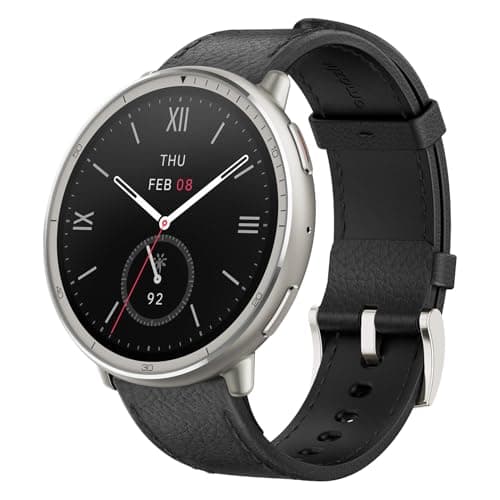
The only pick that keeps all three Garmin pillars at once: built-in GPS with offline maps, a full sleep-SpO2-HRV suite free in the Zepp app, and around ten days of battery. The BioTracker 6.0 sensor array and 160+ sport modes cover the training side. What you give up is single-band GPS and modeling that is younger than Garmin's.
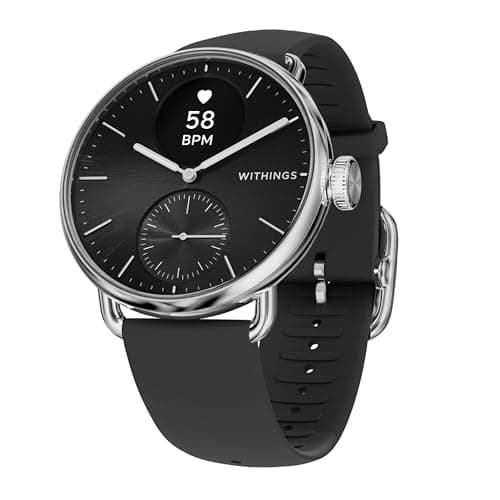
The pick that beats Garmin at Garmin's own best spec. Withings rates it at up to 30 days — roughly three times a Forerunner — and it adds an FDA-cleared ECG, cleared SpO2 and a temperature module, with no membership. The trade is the opposite of a sports watch: a small analog-hybrid face, no maps, no training load.
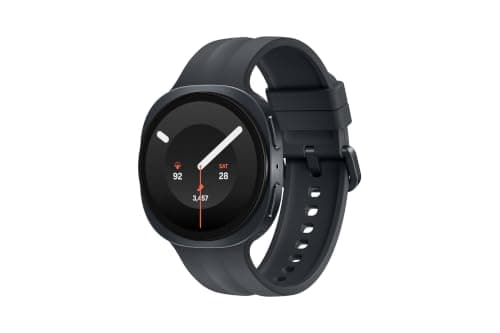
The pick for an Android user who wants apps as well as data, and the one with a genuinely unusual trick: on-demand ECG, FDA-cleared irregular-rhythm notifications and a cuff-calibrated blood-pressure feature in Samsung Health. All of it needs a Samsung Galaxy phone, which is either fine or a dealbreaker with no middle ground.
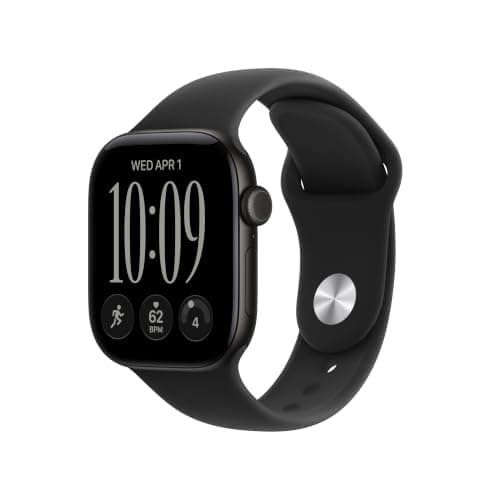
The widest set of cleared health features on any wrist, if you carry an iPhone: ECG, irregular-rhythm notifications, sleep-apnea notifications and hypertension notifications. It is the opposite trade from a Garmin - you gain cleared medical-adjacent features and you lose the week-long battery, on a device whose best features run overnight.
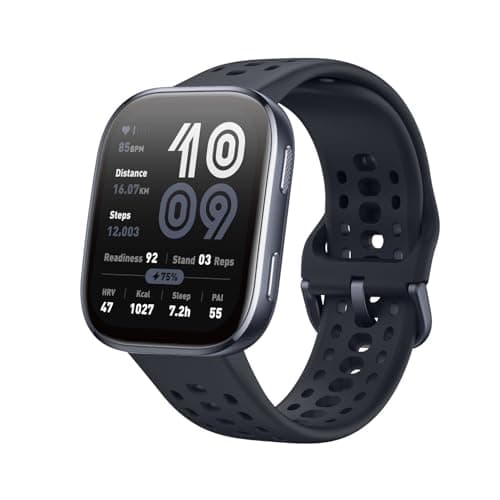
The cheapest watch here that does the job, and the one to buy if you are leaving Garmin purely on price. A 1.97-inch AMOLED, built-in GPS, Bluetooth calling and up to fourteen days per charge - longer than the Garmin it replaces - with every health feature free in the Zepp app. The analysis is basic and the price says so.
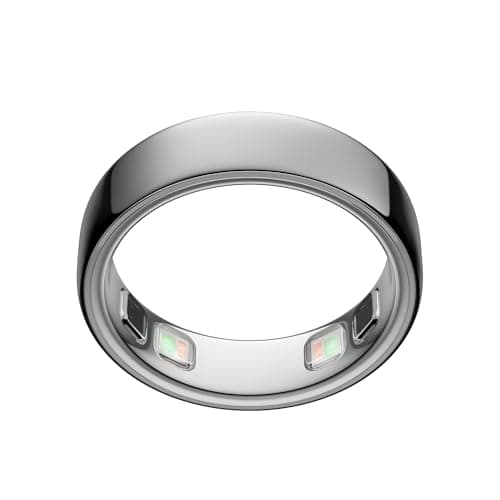
The best sleep and readiness data on this page, and last place on this page's axis - which is a statement about the axis, not about the ring. A finger reads a cleaner signal than a wrist and it is the only pick here with a skin-temperature sensor. It also charges a membership for the insights, which is exactly what a Garmin does not.
#ad · Live prices from the Amazon Product API, as of November 24, 2026. Where we have no verified live price, we show none — a gap beats a number that has rotted.
The only pick that keeps all three Garmin pillars at once: built-in GPS with offline maps, a full sleep-SpO2-HRV suite free in the Zepp app, and around ten days of battery. The BioTracker 6.0 sensor array and 160+ sport modes cover the training side. What you give up is single-band GPS and modeling that is younger than Garmin's.
GPS accuracy
7
Recovery suite
8
Battery
9
No-fee features
10
Value
10
Pros
+Built-in GPS and offline maps — measured distance with no phone, which most cheap watches drop
+Around 10 days per charge, in the same multi-day class as a Garmin
+Sleep stages, SpO2, stress and readiness included free, permanently
+160+ sport modes and a bright AMOLED, for a fraction of a Forerunner
+5 ATM water rating, so swimming is fine
Cons
−Single-band GPS rather than Garmin's multi-band, multi-GNSS positioning
−Zepp's recovery modeling is less mature than Body Battery and HRV Status
−No cleared ECG and no skin-temperature sensor
−Training-load analysis is thinner than any Forerunner's
Don't buy this if…
…you race and train by pace — multi-band GNSS is the one Garmin feature nothing at this price reproduces, and a Forerunner is the honest answer.
FDA-cleared ECG + SpO2Temperature moduleUp to 30-day batteryNo subscription
7.6/10
The pick that beats Garmin at Garmin's own best spec. Withings rates it at up to 30 days — roughly three times a Forerunner — and it adds an FDA-cleared ECG, cleared SpO2 and a temperature module, with no membership. The trade is the opposite of a sports watch: a small analog-hybrid face, no maps, no training load.
GPS accuracy
4
Recovery suite
7
Battery
10
No-fee features
10
Value
7
Pros
+Up to 30 days per charge — it is never off your wrist for a recharge, so the overnight data has no holes
+Cleared ECG and cleared SpO2 taken from the steel bezel in about 30 seconds
+Skin-temperature module, which Garmin's mid-range watches do not carry
+Health features work with no subscription, like Garmin's
+Looks like a watch rather than a training computer
Cons
−No maps, no training load, no recovery-time estimate — it is a health monitor, not a sports watch
−A small hybrid dial instead of a full AMOLED screen
−No multi-band GNSS; GPS depends on your phone for most activities
−Costs more than the Amazfit watches here
Don't buy this if…
…your Garmin was a training tool — this replaces the health half of it and almost none of the sport half.
ECG + FDA-cleared rhythm alertsCuff-calibrated BP featureGalaxy phone requiredWear OS smartwatch
6.4/10
The pick for an Android user who wants apps as well as data, and the one with a genuinely unusual trick: on-demand ECG, FDA-cleared irregular-rhythm notifications and a cuff-calibrated blood-pressure feature in Samsung Health. All of it needs a Samsung Galaxy phone, which is either fine or a dealbreaker with no middle ground.
GPS accuracy
7
Recovery suite
6
Battery
4
No-fee features
9
Value
6
Pros
+On-demand ECG plus cleared irregular-rhythm notifications running in the background
+The blood-pressure feature is a real differentiator no Garmin offers
+Full Wear OS smartwatch with a broad app library and a bright AMOLED
+A 390 mAh battery in the 40mm, up from the Galaxy Watch 8's 325 mAh
Cons
−The health features require a Samsung Galaxy phone — a Pixel or a OnePlus switches them off
−Battery in days is not in the conversation with Garmin's
−Training analysis is lighter than any Forerunner's
−The most expensive Android option here
Don't buy this if…
…you do not carry a Samsung phone — you would be paying for the headline features and then not getting them.
ECG + AFib HistorySleep-apnea notificationsHypertension notificationsUp to 24-hour battery
6.4/10
The widest set of cleared health features on any wrist, if you carry an iPhone: ECG, irregular-rhythm notifications, sleep-apnea notifications and hypertension notifications. It is the opposite trade from a Garmin - you gain cleared medical-adjacent features and you lose the week-long battery, on a device whose best features run overnight.
GPS accuracy
8
Recovery suite
6
Battery
3
No-fee features
9
Value
6
Pros
+The only device here combining a cleared ECG with sleep-apnea and hypertension notifications
+Hypertension notifications work passively in the background over a month-long window
+Blood oxygen, high and low heart-rate alerts and a sleep score round out the suite
+Fast charging claws back roughly eight hours of use from a 15-minute top-up
Cons
−Up to 24 hours of battery against a Garmin's week — the structural loss on this page
−iPhone only; it does not work with Android at all
−No Body Battery equivalent that works without third-party apps
−Charging it every day is how overnight data goes missing
Don't buy this if…
…you carry an Android phone, or you resent charging a health monitor daily — the Withings and every Garmin run for weeks.
1.97in AMOLEDBuilt-in GPSUp to 14-day battery5 ATM · no subscription
8.2/10
The cheapest watch here that does the job, and the one to buy if you are leaving Garmin purely on price. A 1.97-inch AMOLED, built-in GPS, Bluetooth calling and up to fourteen days per charge - longer than the Garmin it replaces - with every health feature free in the Zepp app. The analysis is basic and the price says so.
GPS accuracy
6
Recovery suite
5
Battery
10
No-fee features
10
Value
10
Pros
+Up to ~14 days per charge, longer than most Garmins
+Built-in GPS at the lowest price here — the spec cheap watches usually drop first
+Sleep, SpO2, heart rate and stress with no subscription
+5 ATM water rating and Bluetooth calling included
Cons
−Basic recovery modeling — nothing like HRV Status or training load
−Single-band GPS, and the cheapest optical sensor here during hard intervals
−Plastic build that looks like the price
−No cleared health features of any kind
Don't buy this if…
…you actually used Body Battery or HRV Status — the modeling is what you were paying Garmin for, and this is the cheapest end of it.
PPG + temperature sensors6-9 day battery100m water resistantMembership required
4.8/10
The best sleep and readiness data on this page, and last place on this page's axis - which is a statement about the axis, not about the ring. A finger reads a cleaner signal than a wrist and it is the only pick here with a skin-temperature sensor. It also charges a membership for the insights, which is exactly what a Garmin does not.
GPS accuracy
1
Recovery suite
9
Battery
7
No-fee features
2
Value
5
Pros
+Class-leading sleep staging and overnight HRV from the finger
+A real skin-temperature sensor for illness and cycle trends
+40% slimmer than the Ring 4 at 6.09mm — the easiest thing here to sleep in
+100 m water resistance and a hardened PVD finish
Cons
−A paid membership is required for the insights — the opposite of Garmin's no-fee model
−No GPS, no display, no training metrics at all
−Poor at exercise heart rate: a finger moves too much during lifting
−Sizing kit required, and a ring cannot be resized later
Don't buy this if…
…you run, ride or train — this replaces the recovery screen on your Garmin and none of the rest of the watch.
Multi-band GNSS.This is the hardest Garmin feature to replace and the one nobody markets against, because it is invisible until you look at a GPS track through a city. Garmin's running watches listen to several satellite constellations on two frequencies; most alternatives use one. If your Garmin was a Forerunner and you race, treat this page's GPS column as the one that decides, and consider that a cheaper Forerunner beats a pricier non-Garmin for that specific job.
The modeling, not the sensors. Almost every watch here has the same basic sensor set — an optical heart-rate array and a pulse-oximetry channel. What you paid Garmin for is the decade of modeling on top: Body Battery, HRV Status, training load, recovery time. Those are not features a spec sheet shows, which is why a watch can match a Garmin line for line and still feel emptier to use.
Nothing, on fees. Four of the six picks here charge nothing after purchase, exactly like Garmin. Only the ring has a mandatory membership, and it is ranked last partly for that reason. If an ongoing fee is the thing you are trying to avoid, our no-subscription tracker ranking is the shelf built around it.
What you can gain
Cleared health features. This is the honest case for leaving. Garmin puts a cleared ECG app on some models and not others, so check the spec of the exact watch you are replacing — but a cleared ECG, cleared SpO2, sleep-apnea notifications and hypertension notifications are all available on alternatives here, and two of those four exist on no Garmin at all. If the reason you are shopping is a heart-rhythm concern rather than a training plan, the Apple, Samsung and Withings picks all offer something Garmin does not, and a clinician is the right next step either way.
Battery.One pick on this page triples a Forerunner's runtime. If your complaint about your Garmin was charging it weekly, there is a device here that charges monthly.
Price. The cheapest pick here costs a fraction of a mid-range Garmin and still has built-in GPS and a two-week battery. The five-year arithmetic is in best budget fitness trackers.
The phone filter comes before everything
Two picks here are not available to you depending on what is in your pocket. The Apple Watch does not work with Android at all. The Samsung's ECG and blood-pressure features require a Samsung Galaxy phone and stay switched off on a Pixel or a OnePlus. Garmin is platform-agnostic, which is a quiet advantage worth naming: it is the same watch on either phone. If you are on Android and want a full smartwatch, the shelf behind that filter is ranked in best smartwatches for Android.
Which alternative for which Garmin
Replacing a vívosmart or a vívofit — a slim band you wore for steps, sleep and a readiness number: the Bip 6 or the Active 2, and you will likely gain battery.
Replacing a vívoactive — an everyday AMOLED watch: the Active 2 is the closest match in shape and in what it costs to own.
Replacing a Forerunner — a training watch: nothing here fully replaces it. Buy the Active 2 if the budget is the reason, and accept single-band GPS and lighter training analysis as the price.
Replacing a Venu for health reasons — the Withings ScanWatch 2 or, on an iPhone, the Apple Watch: both add cleared features and the Withings adds three weeks of battery as well.
You only ever looked at Body Battery — then you want the ring, with the membership factored in, and best recovery wearables is the right shelf.
How we picked, and what we did not do
Every spec above is the manufacturer's own published figure, taken from the listing or the brand's documentation, and prices render live from our price layer with the date of the last check. We have not lab-tested GPS accuracy, battery life or sleep staging on any of these devices — we do not own a lab and we will not pretend otherwise. Nothing on this page disparages Garmin: the honest summary is that Garmin's combination of satellite accuracy, a complete no-fee recovery suite and multi-day battery is still the hardest thing in this category to buy elsewhere, and the reason to leave is usually price, a cleared health feature, or battery.
How we picked
We did not lab-test this gear
Everyone in this category says they tested twenty products. We have not lab-tested any of these, and we say so. What we did instead: compiled the published specifications, pulled the numbers from the manufacturer manuals, ran the cost-to-run and cost-per-unit math where there was math to run, and scored each product against a published rubric. The scores are judgments from documented research — not measurements we took, because we do not have a lab and we will not pretend we do. Where a number came from someone else's work, we name them in Sources.
Questions
Frequently asked
What is the best Garmin alternative?+
The Amazfit Active 2. It is the only watch we rank that keeps all three things a Garmin is bought for at once - built-in GPS with offline maps, a full sleep, SpO2 and HRV suite with no subscription, and around ten days of battery - for a fraction of a mid-range Forerunner. If you want longer battery and cleared health features instead, the Withings ScanWatch 2 runs up to 30 days with an FDA-cleared ECG. The cheapest option that still does the job is the Amazfit Bip 6.
Is there a cheaper alternative to Garmin with no subscription?+
Yes, and no-subscription is the normal case rather than the exception: both Amazfit watches we rank include every health and recovery feature in the purchase price, permanently, exactly as Garmin does. The Amazfit Bip 6 is the cheapest, with built-in GPS and up to two weeks per charge. The only pick on this page with a mandatory ongoing fee is the Oura ring, which is why it ranks last here.
What can an alternative do that a Garmin cannot?+
Three things, depending on the pick. Cleared health features: sleep-apnea notifications and hypertension notifications exist on the Apple Watch and a cuff-calibrated blood-pressure feature on the Samsung, and no Garmin offers those. Battery: the Withings ScanWatch 2 is rated at up to 30 days, roughly three times a Forerunner. And price: the cheapest watch here costs a fraction of a mid-range Garmin and still has built-in GPS.
Why is Garmin GPS better than most alternatives?+
Garmin's running watches use multi-band, multi-GNSS positioning - several satellite constellations on two frequencies - which is the most accurate consumer measurement of pace and distance available. Most alternatives use single-band GPS, which is fine on an open park loop and measurably worse between tall buildings or under heavy tree cover. If you train and race by pace, that is the one Garmin feature nothing on this page reproduces.
What is the best Garmin alternative for running?+
Honestly, a cheaper Garmin. Nothing we rank matches a Forerunner's multi-band GNSS accuracy plus its training-load and recovery-time analysis, and both of those are what a running watch is for. If the budget is the reason you are looking, the Amazfit Active 2 is the best non-Garmin choice - built-in GPS, offline maps and around ten days of battery - and you accept single-band positioning and lighter training analysis in exchange.
Do I need a specific phone for these alternatives?+
For two of them, yes. The Apple Watch does not work with Android at all. The Samsung Galaxy Watch9's ECG and blood-pressure features require a Samsung Galaxy phone and stay switched off on a Pixel or a OnePlus. The Amazfit watches, the Withings and the Oura work on both platforms - and so does Garmin, which is a quiet advantage worth naming before you switch.
We do not run a testing lab, and we do not pretend to. Where a measured number came from someone else's work, we name them and link them. Where we could not verify something, we say so on the page rather than quietly leaving it out. Read our full method.