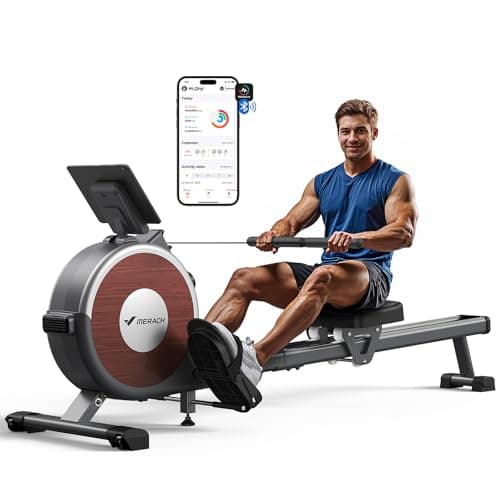
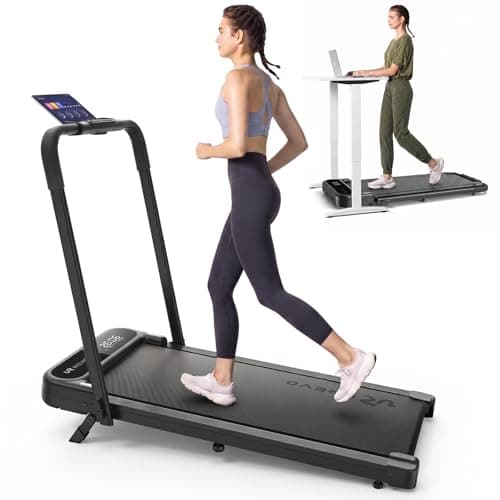
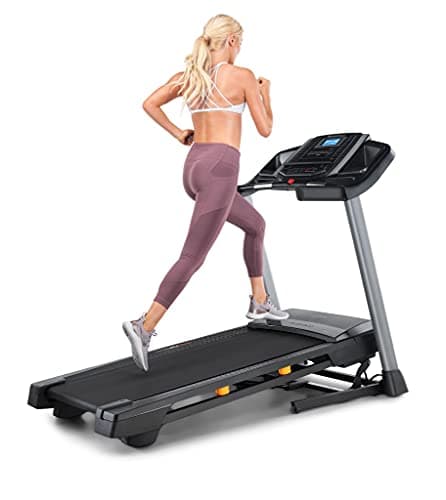
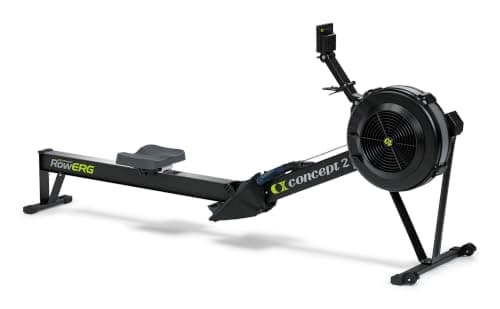
The best home cardio machine for most people is the Concept2 RowErg: it is the only one here that trains your whole body, the only one with a resistance system that scales with your own effort, and the only one with a service life measured in decades rather than years. It is also loud, which is why this page is not a one-line answer. If you share a wall or a floor, the Merach Q1S is the near-silent version of the same movement at a fraction of the price; if the room has to double as something else, the UREVO Strol 2E Pro walking pad is the one that genuinely disappears.
We rank rowers, bikes and treadmills in their own roundups. This page exists because the first decision is not which rower — it is which machine, and the honest criteria for that question are different. Nobody abandons a cardio machine because the flywheel was wrong. They abandon it because it woke the baby, because it ate the spare room, or because it was a thousand dollars of clothes rack within eight months.
So the ranking below is built on training range (how hard you can actually work, and whether the machine still has headroom in a year), noise (the apartment question, which is a real constraint and not a footnote), footprint (including whether it stows), durability, and cost per year rather than cost. The cheapest machine on this page is not the best value on that last measure, and the most expensive one is.
The six machines, side by side
| Machine | Movement | Noise | Stows away? | Resistance |
|---|
| Concept2 RowErg | Full body | Loud (air flywheel) | Splits in two, stands upright | Air — scales with your effort |
| Merach Q1S | Full body | Near silent | Stores upright | Magnetic, 16 fixed levels |
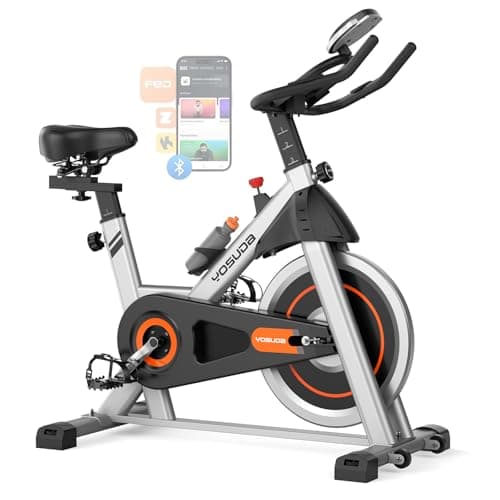
| YOSUDA bike | Legs | Moderate (friction pad) | No — but small footprint | Friction, infinitely variable |
| UREVO Strol 2E Pro | Legs (walking) | Quiet | Under a desk or bed | Speed + 12% incline |
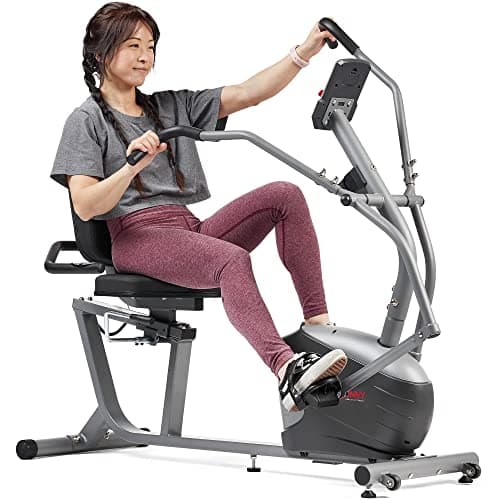
| Sunny SF-RB420032 | Legs + arms, seated | Quiet (magnetic) | No — 63.8in permanent | Magnetic, 8 levels |
| NordicTrack T 6.5 S | Legs (running) | Loudest here | SpaceSaver fold | Speed + powered incline |
Figures above are the manufacturer-published specifications from the listings and brand pages in Sources. Noise is a category judgment from the resistance mechanism — air flywheels and running belts are loud, magnetic resistance is not — rather than a decibel measurement, because we have not measured any of these.
Pick the constraint first, the machine second
If someone can hear you, the choice is magnetic. That rules out the air rower and the treadmill before you compare anything else, and it is the single most common reason a home cardio purchase goes wrong. Magnetic resistance has no contact and no fan, so the only sound is the belt and you.
If the room has another job, you want the walking pad or nothing. Every other machine on this page occupies floor whether or not it folds; a machine that folds into a corner of the same room is still in the room. Only the walking pad genuinely vanishes.
If joints or balance are the limit, the recumbent is the answer and the footprint is the price. Step-through access and a supported back are not conveniences for that buyer; they are what makes the machine usable at all. We go further into this in best fitness equipment for seniors.
If none of those bind, buy the rower. Full-body beats single-joint, and self-scaling resistance beats fixed levels.
Cost per year, not cost
The arithmetic that reorders this list is simple and nobody does it. Divide the purchase price by the years you will realistically own it, and add what it costs to keep running. An air rower that lasts fifteen years and holds genuine resale value is cheaper per year than a budget machine replaced twice — the second-hand market for old Concept2 units is the evidence, not our opinion. A treadmill with a subscription attached runs the other way: the hardware price is the start of the cost, and the monthly fee compounds.
Then there is the honest failure mode. The most expensive cardio machine is the one that becomes a clothes rack in month eight, whatever it cost. That is why noise and footprint are weighted as heavily here as training range: they are the two specs that decide whether using it is frictionless or a negotiation.
Do you need a cardio machine at all?
Worth asking before you spend. If your home gym is just starting, the cheapest effective cardio is a jump rope, which is why it sits near the front of home gym for beginners and home gym on a budget. A machine earns its place when you need low impact, when weather or safety rules out going outside, or when you want a measurable, repeatable session you can program against. If you simply want to move more, the honest recommendation is a rope and a pair of shoes first, and this page later.
And if you already know the modality you want, the single-category rankings go deeper on each one: best rowing machines, best exercise bikes and best treadmills for home. This page is the layer above those, not a replacement for them.