Skip to content
Rep & Recovery

Mobility · Foam Rollers

The best back stretchers — ranked by how they load your spine

A wheel bends your back over a fulcrum. A table hangs it. They are not interchangeable, and the wrong one on an irritable back makes things worse. Five picks, split by mechanism.

By Stephen V.Updated How we review
#ad

We earn a commission when you buy through our Amazon links, at no extra cost to you. It never changes a verdict, and we say so when the cheaper product is the better buy. How this works.

The back stretcher to buy is the GymCope 10-inch back roller. Ten inches is the diameter most people settle on, and it is the one wheel here that publishes the numbers that matter — a 5.5 to 7.5 inch dual-width spine groove, a 530 lb rating and half an inch of EVA over an ABS core — so it is the right first buy for a stiff mid-back that has never been stretched over anything. If your back is sensitive, larger, or you have never tried this, the Chirp Wheel XL with its 7-inch-wide barrel and extra padding is the gentler starting point. The budget pick is the Chirp Wheel XR 6-inch Knot Kneader — the cheapest thing here that does the job, with the warning that six inches is the most aggressive size made and a poor first wheel.

“Back stretcher” covers two mechanically different things, and choosing between them matters more than choosing a brand. A wheel is a fulcrum: you lie back over it and your own body weight drives your spine into extension — the opposite of the slumped flexion a desk puts you in — while the groove down the middle keeps the pressure on the muscles either side of the bones. An inversion table does the opposite thing: it hangs you by the ankles so gravity applies traction, pulling the spine lengthways rather than bending it.

Which one you want depends on what your back dislikes. If sitting all day leaves you stiff and you feel better arching backwards, extension over a wheel is what you are looking for and it costs a fraction of the alternative. If your back feels compressed, or you have been told you have disc or nerve-root irritation, traction is the mechanism that gets studied for that — with the honest caveat below that the evidence for inversion is thin and that it is contraindicated for a long list of people, including anyone with high blood pressure, glaucoma or heart disease.

Three numbers decide a wheel: diameter (6 inches arcs the back hardest and presses deepest, 10 is the middle ground, 13 is gentle), groove width (it must clear your spine but still press either side of it), and published rated capacity. One number decides a table: published user capacity. Everything below is the manufacturer's own figure — we have not load-tested any of it. If you have already decided on a wheel, the whole wheel shelf is ranked in best back roller wheels.

A wheel is one of two mechanisms sold as a back stretcher, and the other one — hanging traction — suits a different back entirely. If you have not committed to a format yet, the cross-format ranking is in best back stretchers.

The short answer

Quick picks

#ProductBest forScorePrice
01
GymCope GymCope Back Roller (10")
GymCope Back Roller (10")

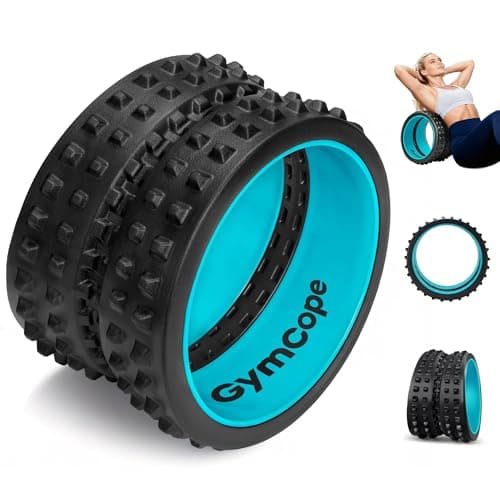
The best-documented stretcher here and the one to buy if you are buying one. Ten inches is the diameter most people settle on, and GymCope publishes what the rest of the category hides: a 5.5-7.5 in dual-width spine groove, a 530 lb rating, and half an inch of EVA over an ABS core. Wide enough to clear a spine, narrow enough to still press either side of it.

Best overall
8.8
$37.39Amazon
02
Chirp Chirp Wheel XL
Chirp Wheel XL

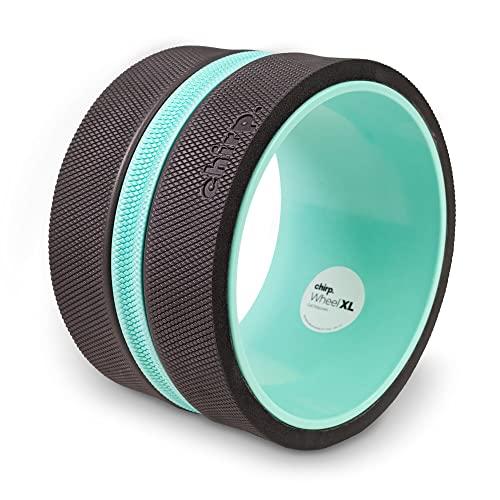
The beginner's answer, and the one to buy for a back that is stiff, sensitive or larger. A 7-inch-wide barrel with 50 percent more padding than Chirp's standard wheel means you lie back ON it rather than balancing OVER it, and it keeps the spinal canal that is the whole safety argument for a wheel. Rated to 500 lb.

Best for beginners and sensitive backs
8.8
$52.49Amazon
03
Innova Innova Inversion Table (Standard)
Innova Inversion Table (Standard)

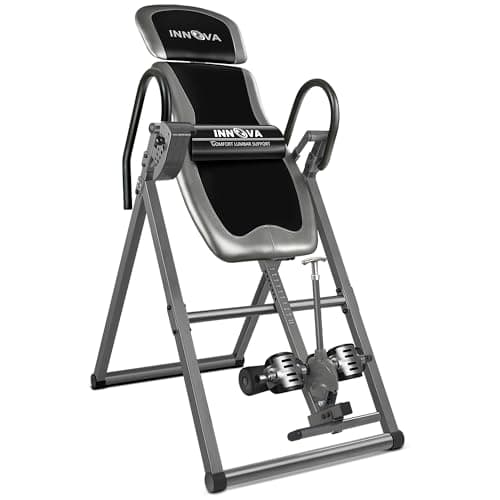
The other mechanism entirely: traction rather than extension. It hangs you by the ankles so gravity pulls the spine lengthways instead of bending it over a fulcrum, with an adjustable headrest, reversible ankle holders and a 300 lb capacity. The response to inversion is deeply personal, which is the argument for trying it cheaply.

Best for traction rather than extension
6.6
$118.93Amazon
04
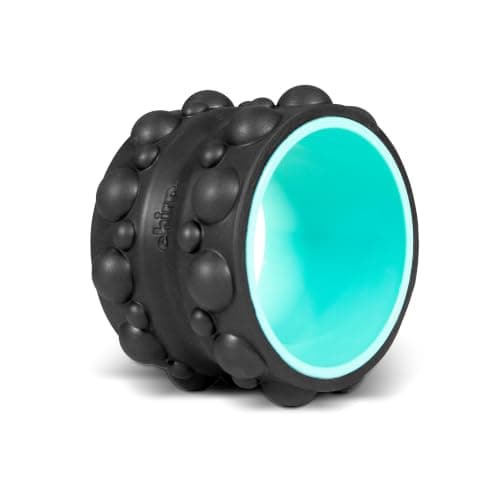
Florensi Yoga Wheel Set (3-Pack)

The graded option, with one honest caveat. Three wheels at 13, 10 and 6 inches cover gentle backbends through deep point pressure, all rated to 500 lb, with TPE padding that is kinder to bare skin than a hard shell. What they do not have is a spine groove, so this is a progression-and-mobility set rather than a channel wheel.

Best graded set to progress through
7.4
Check price →
05
Chirp Chirp Wheel XR 6" Knot Kneader
Chirp Wheel XR 6" Knot Kneader

The cheapest thing here that does the job, and the most aggressive. Six inches is the smallest diameter Chirp makes: it arcs the back furthest and drives the deepest, most concentrated pressure into the muscles either side of the spine. Buy it for one stubborn spot between the shoulder blades - not as a first wheel.

Budget pick — cheapest that does the job
7.4
$26.24Amazon

#ad · Live prices from the Amazon Product API, as of November 24, 2026. Where we have no verified live price, we show none — a gap beats a number that has rotted.

In detail

The picks, in full

01
GymCope GymCope Back Roller (10")

Best overall

GymCope Back Roller (10")

10 in diameter5.5-7.5 in dual-width groove530 lb rated capacityEVA over ABS core
8.8/10

The best-documented stretcher here and the one to buy if you are buying one. Ten inches is the diameter most people settle on, and GymCope publishes what the rest of the category hides: a 5.5-7.5 in dual-width spine groove, a 530 lb rating, and half an inch of EVA over an ABS core. Wide enough to clear a spine, narrow enough to still press either side of it.

Mechanism clarity
9
Spine protection
9
Published specs
10
Beginner tolerance
7
Value
9

Pros

  • Dual-width groove — the wider end clears broader spines, the narrower end presses closer in
  • 530 lb published rating, the highest figure on this page
  • 10 inches is the diameter that suits the widest range of backs
  • Half an inch of EVA over a rigid core: pressure that transmits rather than squashing
  • Publishes its groove dimensions, which almost nothing else in the category does

Cons

  • A 10-inch arc is a real stretch — a very stiff back will want the padded XL first
  • Rigid core means it does not forgive dropping your weight onto it
  • No traction: a wheel bends the spine, it does not decompress it lengthways

Don't buy this if…

…you have never arched backwards over anything — start on the wider, more padded XL and move here once extension feels normal.

$37.39View on Amazon

$43.9915% off

Price as of November 24, 2026. Prices change — Amazon's at checkout is the one that counts.

#ad · we may earn a commission from this link to GymCope Back Roller (10")

02
Chirp Chirp Wheel XL

Best for beginners and sensitive backs

Chirp Wheel XL

7 in wide barrel50% thicker padding500 lb ratedPatent-pending spinal canal
8.8/10

The beginner's answer, and the one to buy for a back that is stiff, sensitive or larger. A 7-inch-wide barrel with 50 percent more padding than Chirp's standard wheel means you lie back ON it rather than balancing OVER it, and it keeps the spinal canal that is the whole safety argument for a wheel. Rated to 500 lb.

Mechanism clarity
9
Spine protection
10
Published specs
8
Beginner tolerance
10
Value
7

Pros

  • Seven inches wide — a stable base under you instead of a narrow edge to balance on
  • Chirp's thickest padding, which is what makes a first session tolerable
  • Keeps the spinal canal, so pressure lands either side of the midline
  • Rated to 500 lb and designed around larger and more sensitive backs
  • The established brand in the category, with a long review record

Cons

  • The width that makes it comfortable also spreads the pressure, so it is less pointed
  • Costs more than the unbranded wheels for a gentler effect
  • Still extension, not traction

Don't buy this if…

…you want deep pressure on one specific knot — the width is the point of this wheel, and the 6-inch XR is the opposite tool.

$52.49View on Amazon

$69.9925% off

Price as of November 24, 2026. Prices change — Amazon's at checkout is the one that counts.

#ad · we may earn a commission from this link to Chirp Wheel XL

03
Innova Innova Inversion Table (Standard)

Best for traction rather than extension

Innova Inversion Table (Standard)

300 lb capacityAdjustable headrestReversible ankle holdersFolds for storage
6.6/10

The other mechanism entirely: traction rather than extension. It hangs you by the ankles so gravity pulls the spine lengthways instead of bending it over a fulcrum, with an adjustable headrest, reversible ankle holders and a 300 lb capacity. The response to inversion is deeply personal, which is the argument for trying it cheaply.

Mechanism clarity
8
Spine protection
6
Published specs
8
Beginner tolerance
4
Value
7

Pros

  • The only pick here that decompresses the spine lengthways instead of arching it
  • Reversible ankle holders let you pick the more comfortable clamp style
  • Adjustable headrest, which cheaper tables omit
  • 300 lb rated capacity and it folds flat for storage
  • A fraction of the price of a premium table, which matters when the response is unpredictable

Cons

  • Contraindicated with high blood pressure, heart disease, glaucoma, retinal detachment, pregnancy and more — this is a real list, not boilerplate
  • The evidence base for inversion is thin and the effect is short-lived
  • Ankle clamps are uncomfortable for some people, full stop
  • Takes real floor space even folded, and it is not a thing you leave in a lounge

Don't buy this if…

…you have any of the listed contraindications, or you have not asked a clinician — this is the one pick on the page where the wrong buyer faces a genuine medical risk rather than a wasted purchase.

$118.93View on Amazon

$149.9921% off

Price as of November 24, 2026. Prices change — Amazon's at checkout is the one that counts.

#ad · we may earn a commission from this link to Innova Inversion Table (Standard)

04

Best graded set to progress through

Florensi Yoga Wheel Set (3-Pack)

13" / 10" / 6" wheels500 lb rated capacityPVC-free TPE paddingNo spine groove
7.4/10

The graded option, with one honest caveat. Three wheels at 13, 10 and 6 inches cover gentle backbends through deep point pressure, all rated to 500 lb, with TPE padding that is kinder to bare skin than a hard shell. What they do not have is a spine groove, so this is a progression-and-mobility set rather than a channel wheel.

Mechanism clarity
7
Spine protection
5
Published specs
8
Beginner tolerance
9
Value
8

Pros

  • Three diameters remove the guesswork — start gentle on the 13 in, progress to the 6 in
  • Rated to 500 lb across the set
  • Thick TPE padding is comfortable against the back, palms and feet
  • Doubles as yoga wheels for chest opening and supported backbends

Cons

  • No spine groove, so pressure crosses the midline — the thing the groove exists to prevent
  • Three wheels is three things to store
  • A 13-inch wheel is so gentle that some people will skip it entirely

Don't buy this if…

…a groove is what you came for — on a bony back, rolling across the spine rather than either side of it is exactly what you want to avoid.

Check price on Amazon →

We don't have a verified live price for this right now, so we aren't showing one.

#ad · we may earn a commission from this link to Florensi Yoga Wheel Set (3-Pack)

05
Chirp Chirp Wheel XR 6" Knot Kneader

Budget pick — cheapest that does the job

Chirp Wheel XR 6" Knot Kneader

6 in diameterSpinal channelRigid coreKnot Kneader surface
7.4/10

The cheapest thing here that does the job, and the most aggressive. Six inches is the smallest diameter Chirp makes: it arcs the back furthest and drives the deepest, most concentrated pressure into the muscles either side of the spine. Buy it for one stubborn spot between the shoulder blades - not as a first wheel.

Mechanism clarity
8
Spine protection
9
Published specs
7
Beginner tolerance
3
Value
10

Pros

  • Small diameter concentrates pressure — the most intense wheel here
  • Well-executed spinal channel keeps the bones of the spine untouched
  • Rigid core delivers pressure instead of absorbing it like foam
  • The lowest price on this page by a clear margin

Cons

  • Six inches is a severe arc — the wrong first wheel for almost everybody
  • Narrow barrel means you balance on it rather than lie back on it
  • Concentrated pressure on an irritable back can leave you sorer than you started

Don't buy this if…

…this is your first wheel — start on the XL or the 10-inch roller and buy this one later for the spot they cannot reach.

$26.24View on Amazon

$34.9925% off

Price as of November 24, 2026. Prices change — Amazon's at checkout is the one that counts.

#ad · we may earn a commission from this link to Chirp Wheel XR 6" Knot Kneader

Extension or traction: pick the mechanism first

Extension (a wheel) bends the spine backwards over a fulcrum. It is the direct antidote to eight hours of slumped sitting, it is cheap, and for most people with a stiff thoracic spine it is the right tool. A simple self-test: if standing up and arching gently backwards feels good, extension is probably your direction.

Traction (an inversion table) pulls the spine lengthways. It is the mechanism people reach for when a back feels compressed rather than stiff. It is also the one with the medical gate: inverting raises pressure in the eyes and the head, so it is contraindicated with high blood pressure, heart disease, glaucoma, retinal detachment, pregnancy, recent stroke and more. The honest summary of the evidence is that short-term symptom relief is reported, that the better-quality reviews find little durable benefit, and that it is not a treatment for a disc problem. Ask a clinician first; the full shelf is ranked in best inversion tables.

Diameter is the dial on a wheel

A smaller wheel does two things at once: it arcs your back further, and it concentrates your body weight into a smaller contact patch. That is why 6 inches is the deep-tissue option and a poor first purchase, 10 inches is where most people land, and 12 to 13 inches is gentle enough for a first session on a stiff back. Width matters too, and in the opposite direction — a 7-inch-wide barrel supports you so you can relax onto it, while a narrow wheel asks you to balance, and a back that is braced for balance is not a back that is stretching.

The groove is the safety feature, and it is not universal

The point of the channel down the middle of a back wheel is that the bony spinous processes of your spine drop into it, so the pressure lands on the paraspinal muscles either side rather than on bone. Groove width therefore has to match your frame: too narrow and it presses the spine anyway, too wide and it misses the muscle. Only one pick here publishes the dimension (5.5 to 7.5 inches, dual-width) and one has no groove at all, which is the single most important difference between the wheels on this page.

How to use one without making things worse

Start on the floor, not on a bed. Support your head with your hands, keep your feet planted, and roll slowly between the bottom of your ribs and the top of your shoulder blades — never into the lower back, which is already in extension and does not need a fulcrum. Two to three minutes is a session. Expect to feel a stretch and some pressure, not sharp pain. Stop if anything shoots down an arm or a leg: radiating pain, numbness, weakness or pins and needles is a nerve pattern that needs a clinician, not a wheel. Same for pain after a fall, or pain with fever or unexplained weight loss.

What a stretcher does not do

It does not lengthen your spine, correct your posture or realign anything — those claims are marketing. What it does, reliably and cheaply, is give you a few minutes of extension and soft-tissue pressure that feels better than sitting still, which is a reasonable thing to buy for the price of a takeaway. What changes a desk back over months is movement: our foam rollers for back pain page covers the cheaper tool that does most of the same work, and how to foam roll covers the technique.
How we picked

We did not lab-test this gear

Everyone in this category says they tested twenty products. We have not lab-tested any of these, and we say so. What we did instead: compiled the published specifications, pulled the numbers from the manufacturer manuals, ran the cost-to-run and cost-per-unit math where there was math to run, and scored each product against a published rubric. The scores are judgments from documented research — not measurements we took, because we do not have a lab and we will not pretend we do. Where a number came from someone else's work, we name them in Sources.

Questions

Frequently asked

What is the best back stretcher?
For most people, a 10-inch spine-groove wheel - the GymCope back roller is the pick here because it publishes its groove width (5.5 to 7.5 inches, dual-width) and a 530 lb rating, which almost nothing else in the category does. If your back is stiff, sensitive or larger, the Chirp Wheel XL's 7-inch-wide padded barrel is the kinder starting point. If what you want is traction rather than extension, that is an inversion table instead, and it comes with a real list of contraindications.
Are back stretchers good for lower back pain?
A wheel is designed for the mid-back, not the lower back - the lumbar spine is already in extension when you stand, so arching it further over a fulcrum is not the goal and can aggravate things. Roll between the bottom of the ribs and the shoulder blades instead; a stiff thoracic spine is often what makes a lower back work harder. For lower-back symptoms specifically, heat plus movement has better evidence than any stretching device.
Back wheel or inversion table - which is better?
They do opposite things. A wheel bends the spine into extension over a fulcrum, which suits a stiff back that feels better arching backwards. A table hangs you so gravity applies traction, which people reach for when a back feels compressed. The wheel costs a fraction as much, needs no medical screening and stores in a cupboard. The table is contraindicated for a long list of conditions including high blood pressure, heart disease and glaucoma, so it needs a conversation with a clinician first.
What size back roller wheel should I buy?
Ten inches if you are buying one wheel. Six inches arcs the back hardest and concentrates pressure most, which makes it the deep-tissue option and a poor first purchase; 12 to 13 inches is gentle enough for a very stiff back. Width is a separate question in the opposite direction: a wider barrel supports you so you can relax onto it, while a narrow wheel asks you to balance, and a braced back does not stretch.
Is a back stretcher safe for sciatica?
Pain that travels down a leg, or numbness, tingling or weakness in a foot, is a nerve-root pattern, and the honest answer is that it needs a clinician before it needs a device. Nothing on this page treats a disc or a nerve root. If you have been cleared to exercise and the pain is settled, gentle thoracic extension is unlikely to harm, but stop immediately if anything increases the radiating symptoms.
How long should you use a back stretcher for?
Two to three minutes at a time, once or twice a day. Longer does not deepen the effect and does increase the chance of being sorer tomorrow. Use it on a firm floor rather than a bed, support your head, keep your feet planted, and move slowly. If you are getting no relief after two weeks of consistent use, the device is not the answer to your problem.

Keep reading

Receipts

Sources

We do not run a testing lab, and we do not pretend to. Where a measured number came from someone else's work, we name them and link them. Where we could not verify something, we say so on the page rather than quietly leaving it out. Read our full method.