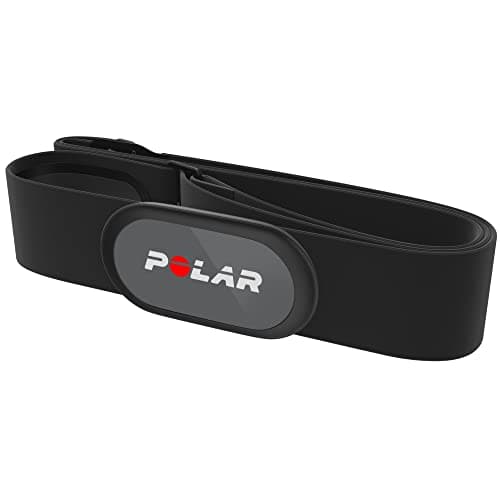
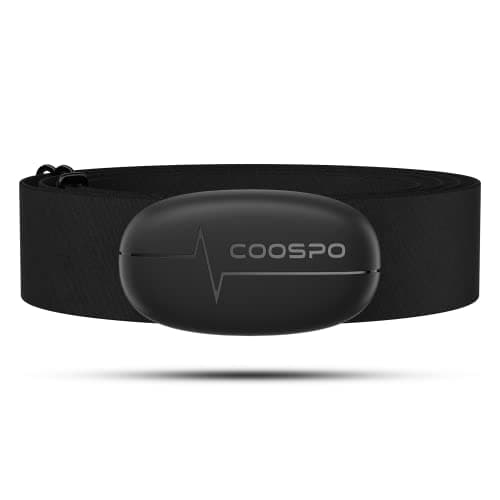
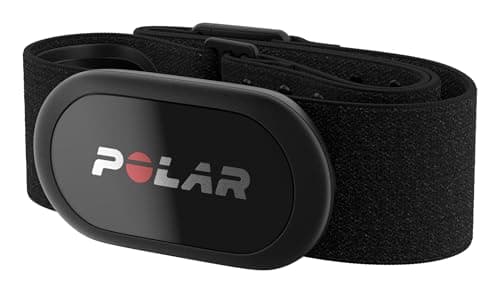
The heart rate monitor to buy is the Polar H10. It is the reference-grade electrode chest strap — beat-to-beat ECG accuracy, Bluetooth and ANT+ at the same time plus a 5 kHz channel for gym equipment, onboard memory so it records with no phone, and a replaceable cell rated around 400 hours — which makes it the right buy for anyone doing intervals, HRV work or anything where a wrong number ruins the session. If you want almost all of that for less, the Polar H9 reads just as cleanly and drops the memory and the dual simultaneous connections. The budget pick is the COOSPO H6 — the cheapest thing here that does the job, with both Bluetooth and ANT+ so it pairs with Peloton, Zwift, Garmin and Strava.
There are only two ways to measure a heart rate, and the difference decides this ranking. An electrode strap reads the electrical depolarisation of your heart directly — the same signal class an ECG reads — so each beat has a sharp, unambiguous timestamp. An optical sensor (every wrist device, every ring) shines light into the skin and infers beats from how much is absorbed by blood flow. Optical is remarkable technology and perfectly good at rest. During hard effort it has a known set of failure modes: motion artifact, poor fit, cold skin and tattoos all degrade it, and the classic symptom is a wrist reading that lags thirty seconds behind reality or locks onto your cadence instead of your pulse.
The second axis is what it can talk to, and it is the one people discover too late. Bluetooth pairs with a phone or a tablet app, usually one connection at a time. ANT+ pairs with bike computers and gym equipment and broadcasts to several devices at once. 5 kHz analogue is what commercial gym machines and swimming receivers use. A strap with all three works with everything you will plausibly own; a strap with one works with the thing you own today.
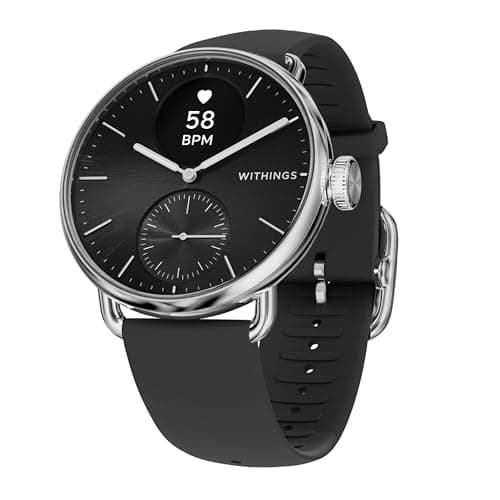
Two notes before the list. First, if what you want is overnight HRV and a readiness score rather than exercise accuracy, that is a different question and we rank it in best HRV monitors. Second, none of these is a diagnostic tool, with one partial exception: the ScanWatch 2 carries a cleared ECG feature that can flag an irregular rhythm for a clinician to look at. That is a screening prompt, not a diagnosis. The format argument in full is in chest strap vs wrist heart rate.
Electrodes or light: what you are choosing between
An electrode strap sits on your sternum and reads the electrical signal that makes your heart contract. The timing of each beat is unambiguous, which is why it is the only thing worth using for HRV — a measurement of the millisecond variation between beats, where a few milliseconds of smoothing destroys the data. An optical sensor measures blood volume changes in the skin and infers beats from the waveform. At rest, on a warm wrist, with a snug band, it is genuinely close. During intervals it is the measurement most likely to be wrong in the direction that matters.
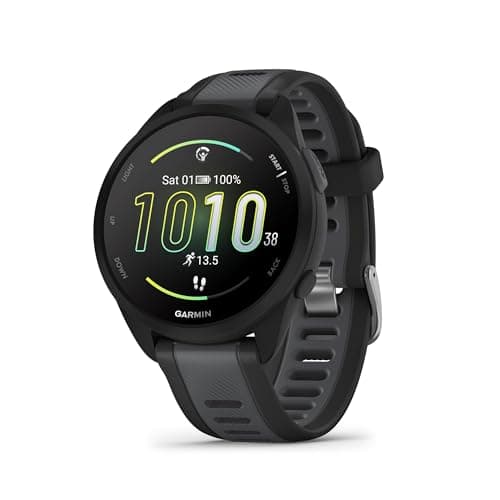
The practical consequence: if you train by heart-rate zones, do intervals, or care about HRV, buy a strap — the cheapest one here beats the most expensive wrist device on that specific job. If you want all-day and overnight data, buy a wrist device, because nobody sleeps in a chest strap. If you want both, buy both; a $30 strap and the watch you already own is a better system than one expensive compromise, and every watch here reads an external strap.
Broadcast protocols, and why they decide compatibility
Bluetooth is for phones, tablets and most watches, and historically carries one connection at a time — which is why your strap sometimes refuses to pair with your bike computer while a phone app still holds it. ANT+ is the cycling and gym standard and broadcasts to unlimited receivers at once, so a single strap can feed a bike computer, a head unit and a tablet simultaneously. 5 kHz analogue is the old gym-equipment and swimming protocol, and it is the only one that works underwater. Check what your receiver needs before you buy: an ANT+-and-Bluetooth strap covers Peloton, Zwift, Strava and Garmin, and a strap with 5 kHz as well covers the treadmill at a commercial gym and a swim receiver.
Getting a clean reading from a strap
Nearly every “my strap is broken” complaint is one of four things. Dry electrodes — wet them, or use a drop of gel; a dry strap reads wildly for the first few minutes and then settles, which is the classic signature. Loose fit — it should be snug enough to stay put when you jump. Position — just below the pectorals, electrodes against skin, not over a sports bra band. A tired cell — these run on a coin cell for hundreds of hours and then produce dropouts rather than dying cleanly, so replace it before you debug anything else. Wash the strap regularly: dried salt is an insulator.
What a heart rate monitor cannot tell you
It cannot tell you your fitness, your calorie burn to any real precision, or whether your heart is healthy. Heart rate is a response to load, not a measure of it — the same pace at the same heart rate on two different days can mean two different things, which is exactly why trends matter more than readings. One device here has a cleared ECG feature that can flag an irregular rhythm, and the correct response to that flag is a clinician. If you get chest pain, breathlessness out of proportion to effort, or feel faint during exercise, stop and get assessed — no wearable is the right tool for that question.