"What is the best fitness equipment brand?" is a question with no single answer, and the honest reason is that home fitness is not one market. It is at least three: precision machines with moving parts and electronics, engineered mechanisms like selectorized dumbbells, and lumps of cast iron. Brand matters enormously in the first, moderately in the second, and almost not at all in the third.
What follows is a category-by-category map of where the name on the box is worth paying for, where it is not, and how to assess a brand you have never heard of — which, on any online marketplace, is most of them. The picks at the end are four products that illustrate each position, all of which we rank elsewhere on their own merits.
Where brand genuinely matters
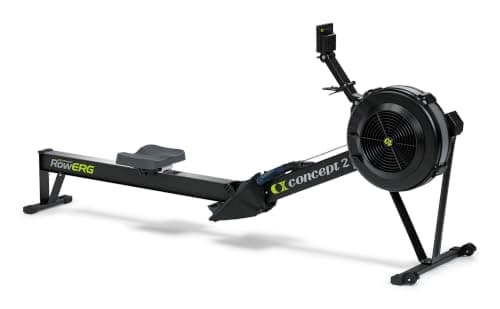
Cardio machines.A treadmill or rower has a motor or a flywheel, bearings, a frame under repeated load, electronics, and a service life measured in years of abuse. This is where manufacturing quality, parts availability and warranty support are worth real money — and where a cheap machine most often becomes an expensive piece of furniture. It is also the category where a brand's willingness to sell you a replacement belt or monitor five years later separates the serious names from the rest.
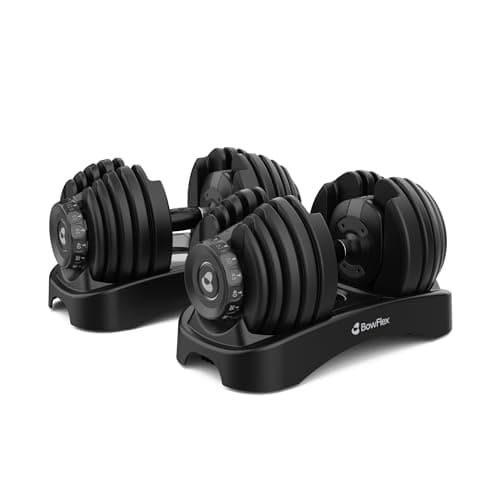
Selectorized and mechanical equipment. Adjustable dumbbells, adjustable kettlebells and folding racks all contain a mechanism that has to hold a heavy weight securely, thousands of times. When these fail, they fail while something heavy is in the air. Established engineering and a real warranty matter here in a way they do not for a fixed weight.
Anything with a subscription or an app. If the product needs software to work, you are betting on the company existing and supporting it for years. That is a brand bet whether you think of it that way or not — a point we make repeatedly about subscription wearables.
Where brand is nearly irrelevant
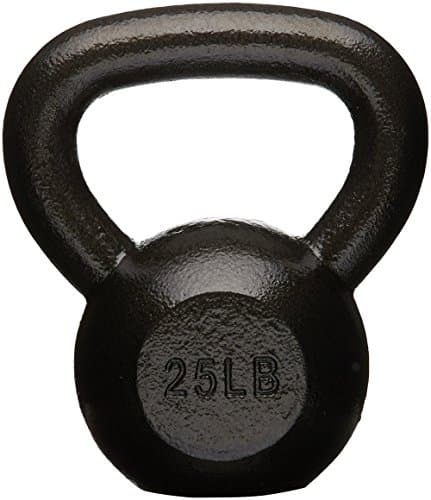
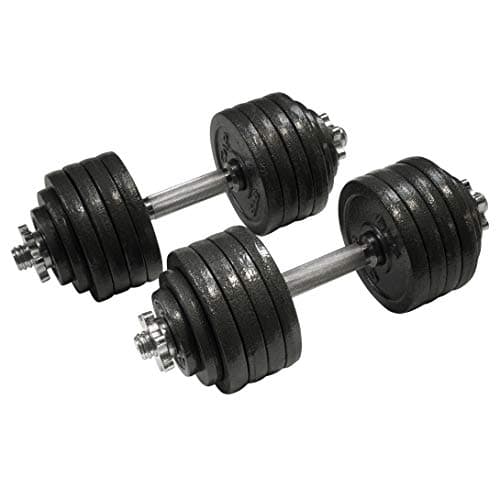
Cast iron. A 35 lb kettlebell is a casting with a handle. Powder coating quality and handle finish vary a little, and beyond that a house-brand bell and a boutique-brand bell are doing identical physics. The same is true of fixed dumbbells, weight plates and standard barbells at the recreational end.
Foam and rubber. Foam rollers, mats, massage balls and bands are cheap consumables where the difference is density and durability rather than pedigree — though a rigid-core rollergenuinely outlasts a soft one, so "commodity" does not mean "buy the cheapest".
Simple steel. Doorway pull-up bars, flat benches and basic racks are fabricated steel with published load ratings. Judge them on the rating and the welds, not the logo.
How to judge a brand you have never heard of
Most equipment on a marketplace comes from names you will not recognize, and some of it is excellent. Five practical tests:
- Is there a real website with real specifications? A brand that publishes load ratings, dimensions and materials is a brand that expects to be held to them.
- Are replacement parts available? The clearest signal of whether a company expects you to still own the thing in three years.
- Is the warranty specific?"Lifetime warranty" with no terms page is marketing. A warranty that names a period and a covered component is a promise.
- Does the same product appear under several brand names? Common, and not automatically bad — it usually means a shared factory. It does mean the brand is a label rather than an engineering team, so buy on specification and price rather than on the name.
- Do the reviews match the product? Listings occasionally accumulate reviews from an unrelated item. If the reviews describe something else, treat the rating as meaningless.
The category-by-category short list
These are the names that come up repeatedly in our own roundups, and why:
- Rowing: Concept2 — the air rower that gyms, clubs and competitions standardize on, with parts availability that is close to unique in home fitness. See best rowing machines.
- Adjustable dumbbells: Bowflex for the reference mechanism, with capable value alternatives underneath it. See best adjustable dumbbells.
- Cast iron: Amazon Basics, Yes4All and CAP all sell essentially the same castings. Buy on price per pound. See best kettlebells.
- Benches and racks: FLYBIRD, Marcy, CAP and SPORTSROYALS cover the value end with published load ratings. See best weight benches and best power racks.
- Recovery: Therabody and Hyperice at the premium end, Bob and Brad, Ekrin and Renpho offering most of it for less. See best massage guns.
- Wearables: Garmin, for the simple reason that it charges nothing after purchase. See best Garmin watches.
The four picks below
Each illustrates one of the positions above: a brand worth paying a premium for, a brand worth paying a little more for, a house brand that is the right answer, and a value brand that competes on price with published specifications. All four are products we rank on their own merits elsewhere on this site.