Skip to content
Rep & Recovery

Thermal · Cold & Heat

How to clean a cold plunge tub

Cold water is not clean water. The routine that keeps a plunge clear is four habits and two numbers — and the single biggest improvement most owners can make costs nothing at all: rinse off before you get in.

By Stephen V.Updated How we review
#ad

We earn a commission when you buy through our Amazon links, at no extra cost to you. It never changes a verdict, and we say so when the cheaper product is the better buy. How this works.

The routine is four habits and two numbers. Run the filter whenever the tub is not in use if you have a pump. Hold a sanitizer residual— free chlorine or bromine — rather than relying on the cold. Test the water with strips before you get in. Rinse yourself off first, which removes more contamination than any chemical you add afterwards. Then change the water on bather load, not on a calendar.

An honest note before the numbers. There is no published public-health standard for a home cold plunge, and anyone quoting one is making it up. The closest real guidance is the CDC's advice for home pools and hot tubs, which is written for warm water, and we use it here as the nearest defensible reference rather than as a rule for your tub. CDC recommends a free chlorine concentration of at least 3 ppm in a hot tub (at least 1 ppm in a pool), pH between 7.0 and 7.8, and testing chlorine and pH at least twice a day— more often when several people are using the water. For hot tubs it also advises againstcyanuric acid or cyanuric-stabilised chlorine. A small insulated plunge is closer to a hot tub than to a pool in volume and bather load, which is why those are the figures we point at. Your tub manufacturer's instructions outrank all of this — follow them where they differ.

Below: why cold water still goes bad, the difference between filtering and sanitizing (they are not the same job), when to dump and refill, how to clean the filter and the chiller, and three setups ranked on how much of this work the hardware does for you.

Why cold water is not clean water

Every session puts the same things into the tub: sweat, skin cells, body oils, hair products, sunscreen, lotion and whatever was on your feet. Cold slows microbial growth down; it does not stop it, and it does nothing at all about the organic load you added. That load is what makes water go cloudy, what feeds a slick biofilm on the walls, and what consumes sanitizer. A tub with no sanitizer and a few sessions in it is a container of dilute body soil kept cool.

There is one way cold genuinely helps you: chlorine is consumed more slowly and stays stable longer in cold water than in a hot tub, so a residual you establish tends to persist rather than burn off within hours. That makes the chemistry easier to hold than a spa's, not unnecessary.

Filtration and sanitation are two different jobs

A filter catches particles: skin, hair, grit, the visible stuff. A sanitizer kills what the filter cannot catch. A chiller with a built-in filter has solved the first problem and not touched the second, which is the single most common misunderstanding among new plungers — the water looks clear, so it must be clean. Clear and clean are independent.

Some units add a third layer. An ozone or oxidation module attacks organic load continuously and reduces how much chemical sanitizer you need, which is a real benefit; it is a supplement to a sanitizer residual, not a replacement for one. If your tub has one, test the water anyway.

The numbers, and how to hold them

  • Sanitizer:free chlorine of at least 3 ppm is CDC's hot tub figure, and a small insulated plunge is the closer analogue. Use unstabilised chlorine; CDC advises against cyanuric acid in hot tubs. Bromine is a workable alternative — dose it to its own product label rather than to a chlorine number.
  • pH:7.0-7.8, which is CDC's range. Outside it the sanitizer works less well and the water gets uncomfortable on skin and eyes.
  • Testing: strips before a session, and at least twice a day in CDC terms while water is in use. For a tub used once a day, testing before you get in is the practical version of that.
  • One chemistry at a time: pick chlorine or bromine and stay with it. Mixing sanitizer systems, or adding a different product because it was cheaper, is how people produce water that irritates skin.

How often to change the water

Change on bather load, not on days. The rough shape of it: a tub with a running filter and a held sanitizer residual, used by one or two people, goes weeks between changes. A tub with filtration but no sanitizer wants a change every few sessions. A tub with neither — an ice bath you fill and empty — should be drained after each session or two, which is one of the quiet advantages of the ice route: the water is new every time.

Change it early, regardless of schedule, when you see cloudiness that filtration does not clear within a day, a slick or slimy feel on the walls, foam on the surface, any smell at all, or a sanitizer reading you cannot bring back into range. Scrub the walls and the waterline with a soft cloth while it is empty, rinse, and refill — and do not use household cleaners or bleach-based sprays unless the manufacturer names them, because they attack vinyl, liners and seals.

Cleaning the filter and the chiller

The filter is the part that decides whether the rest of the system works. Rinse a washable metal or mesh filter weekly under a tap, and more often if the water is getting cloudy; replace a cartridge filter on the maker's schedule. A clogged filter reduces flow, which reduces cooling performance — so a chiller that has stopped holding temperature very often has a dirty filter rather than a dying compressor.

For the chiller itself: keep the air intake and the exhaust grille clear of dust and lint, give it the clearance the manual asks for, and make sure nothing is restricting the hoses. Flush the lines when you change the water so that nothing sits stagnant in them. If it freezes where you live, drain the unit and the hoses before winter — water left in a heat exchanger is how chillers die. The ranked chiller options are in best cold plunge chillers.

The habits that do most of the work

A thirty-second rinse before you get in removes more contamination than any product you can add afterwards — sweat, sunscreen, lotion and body oils go down the shower drain instead of into the tub. Keep shoes out. Keep the cover on between sessions, which stops dust, leaves and sunlight. And do not plunge with an open wound or an active skin infection, in a shared tub, at all.

Three setups, by how much maintenance they remove

Prices are live and stamped with the date they were checked.

The short answer

Quick picks

#ProductBest forScorePrice
01
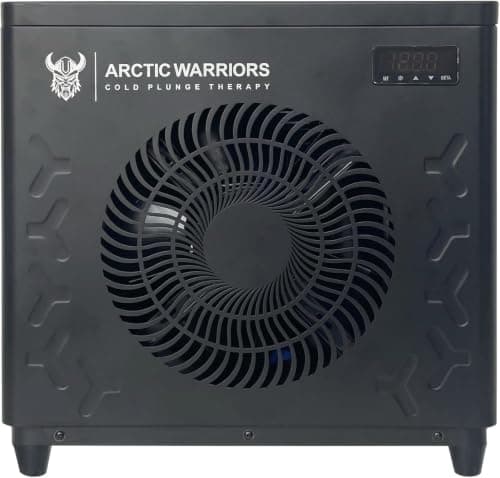
Healcryo Healcryo 0.5 HP Cold Plunge Chiller
Healcryo 0.5 HP Cold Plunge Chiller

The unit that does the most of this work for you: it is the only one in our registry that adds sanitation to filtration, pairing an oxidation module with a fine-mesh cartridge. Half a horsepower and a published 4,000 BTU/h take water to 38°F and hold it in tubs up to 120 gallons, with a titanium heat exchanger that will not corrode.

Most maintenance removed
8.4
$456.95Amazon
02
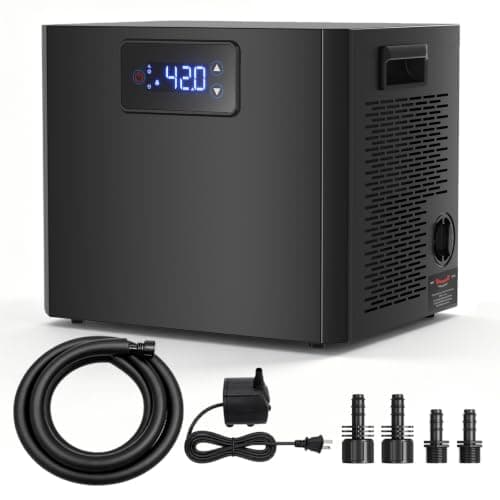
FADHOLE FADHOLE 1/3 HP Cold Plunge Chiller
FADHOLE 1/3 HP Cold Plunge Chiller

The practical middle: a 1/3 HP unit rated to 79 gallons that holds down to 42°F, with a circulation pump and a washable metal filter rather than disposable cartridges. The washable filter is the detail that matters for a cleaning routine — rinse it under a tap weekly and there is nothing to buy.

Best filter to live with
6.8
$359.00Amazon
03
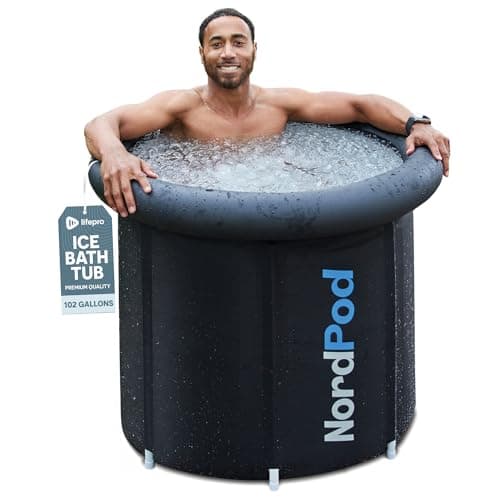
LifePro LifePro NordPod Ice Tub
LifePro NordPod Ice Tub

The simplest hygiene answer in the category, by having no system at all: you fill it, you plunge, you drain it. No filter to clean, no chemistry to hold, no stagnant water between sessions. The cost is doing that manually every time, and buying ice.

Simplest hygiene, drain every time
6.4
$99.99Amazon

#ad · Live prices from the Amazon Product API, as of October 19, 2026. Where we have no verified live price, we show none — a gap beats a number that has rotted.

In detail

The picks, in full

01
Healcryo Healcryo 0.5 HP Cold Plunge Chiller

Most maintenance removed

Healcryo 0.5 HP Cold Plunge Chiller

0.5 HP, 4,000 BTU/hOzone + cartridge filtrationDown to 38°F, up to 120 galTitanium heat exchanger
8.4/10

The unit that does the most of this work for you: it is the only one in our registry that adds sanitation to filtration, pairing an oxidation module with a fine-mesh cartridge. Half a horsepower and a published 4,000 BTU/h take water to 38°F and hold it in tubs up to 120 gallons, with a titanium heat exchanger that will not corrode.

Filtration
9
Sanitation help
10
Water-change interval
9
Maintenance effort
8
Value
6

Pros

  • Oxidation module works on organic load continuously, so chemical demand drops
  • Fine-mesh cartridge filtration keeps water visibly clear between changes
  • Titanium heat exchanger resists corrosion, which matters in sanitized water
  • Publishes a real cooling figure (4,000 BTU/h) rather than horsepower alone

Cons

  • The most expensive route here, and still not a substitute for testing the water
  • Cartridges are a consumable with a replacement schedule
  • Needs ventilated clearance and a sensible hose run

Don't buy this if…

…you were hoping to stop handling chemistry entirely — ozone reduces sanitizer demand, it does not end it.

If the reason you are reading a cleaning guide is that maintenance is putting you off plunging, this is the hardware answer. Filtration plus continuous oxidation means the water stays clear and the organic load is being worked on between sessions rather than waiting for you. Over a month that is the difference between a tub you use and a tub you keep meaning to deal with.

What it does not do is let you stop testing. An oxidation module reduces how much chlorine or bromine the water consumes; it does not maintain a measurable residual on its own, and the residual is the thing that protects the next person in. Strips, before you get in. The full chiller ranking, including the cheaper 1/3 HP units, is in best cold plunge chillers.

$456.95View on Amazon

Price as of October 19, 2026. Prices change — Amazon's at checkout is the one that counts.

#ad · we may earn a commission from this link to Healcryo 0.5 HP Cold Plunge Chiller

02
FADHOLE FADHOLE 1/3 HP Cold Plunge Chiller

Best filter to live with

FADHOLE 1/3 HP Cold Plunge Chiller

1/3 HP, rated to 79 galWashable metal filterHolds down to 42°FPump, hoses and fittings included
6.8/10

The practical middle: a 1/3 HP unit rated to 79 gallons that holds down to 42°F, with a circulation pump and a washable metal filter rather than disposable cartridges. The washable filter is the detail that matters for a cleaning routine — rinse it under a tap weekly and there is nothing to buy.

Filtration
8
Sanitation help
3
Water-change interval
7
Maintenance effort
7
Value
9

Pros

  • Washable metal filter — no cartridge subscription, and a 60-second weekly job
  • Circulation pump keeps water moving between sessions, which is half of staying clear
  • Rated to 79 gallons, covering a normal adult tub
  • Everything needed to plumb it is in the box

Cons

  • Filtration only: no ozone or oxidation stage, so chemical demand is higher
  • No sanitation of any kind without you adding it
  • Runs continuously on mains power

Don't buy this if…

…you want the hardware to help with sanitation as well as particles — that is the Healcryo above.

$359.00View on Amazon

Price as of October 19, 2026. Prices change — Amazon's at checkout is the one that counts.

#ad · we may earn a commission from this link to FADHOLE 1/3 HP Cold Plunge Chiller

03
LifePro LifePro NordPod Ice Tub

Simplest hygiene, drain every time

LifePro NordPod Ice Tub

Insulated portable tubNo pump or filterDrain after each usePacks down
6.4/10

The simplest hygiene answer in the category, by having no system at all: you fill it, you plunge, you drain it. No filter to clean, no chemistry to hold, no stagnant water between sessions. The cost is doing that manually every time, and buying ice.

Filtration
2
Sanitation help
6
Water-change interval
10
Maintenance effort
5
Value
9

Pros

  • Fresh water every session is the cleanest arrangement available, full stop
  • Nothing mechanical to service, no filter to rinse, no residual to test
  • Packs down and dries fully, which is how you avoid any smell developing
  • Cheapest route into plunging by a wide margin

Cons

  • You do the work: fill, ice, drain, dry, every single time
  • Buying ice for every session costs money that scales with frequency
  • No temperature control, so a floating thermometer is essential

Don't buy this if…

…you plunge most days — at that frequency the manual routine is what makes people stop, and a filtered, chilled tub is the one you will actually use.

$99.99View on Amazon

Price as of October 19, 2026. Prices change — Amazon's at checkout is the one that counts.

#ad · we may earn a commission from this link to LifePro NordPod Ice Tub

The routine, on one page

WhenDo this
Before every sessionRinse your body off, test sanitizer and pH with a strip, skim anything floating
After every sessionCover the tub, let the filter run, top up sanitizer if the reading dropped
WeeklyRinse the washable filter, wipe the waterline, check the chiller intake is clear
On schedule or on signsDrain, scrub with a soft cloth, rinse, flush the hoses, refill and re-balance
Before winterDrain the tub, the chiller and the hoses completely if it freezes where you live

Do not do these

Bleach sprays and household cleanerson a liner or vinyl tub, unless the manufacturer names the product — they attack seams and seals. Mixing sanitizer chemistries, which produces water that irritates skin and readings you cannot interpret. Abrasive pads, which scratch surfaces and give biofilm somewhere to hold. Leaving a wet tub covered and undrained for weeks, which is how a plunge develops a permanent smell. And assuming clear water is clean water— the whole reason to hold a residual is that the dangerous part is invisible.

If you share the tub

Bather load is the variable that drives everything above, so a tub used by four people is a different maintenance problem from a tub used by one. Hold the sanitizer residual strictly, test before each group session rather than each day, shorten the change interval, and keep anyone with an open wound, an active skin infection or a stomach illness out of shared water entirely. Health guidance on recreational water is consistent on that last point and it is the one rule worth being rigid about.

What this does not cover

Medical questions, which are the ones that actually matter before you start plunging at all. Who should not cold plunge, the cold shock response and the first-minute risks are in cold plunge risks; dose is in how long to cold plunge; and if you are still choosing hardware, start at best cold plunge tubs.
Same cart

Essentials under $40

The cheap stuff that decides whether the expensive thing gets used. These are add-ons, not ranked picks — no rubric, no score, and nothing here changes a verdict above.

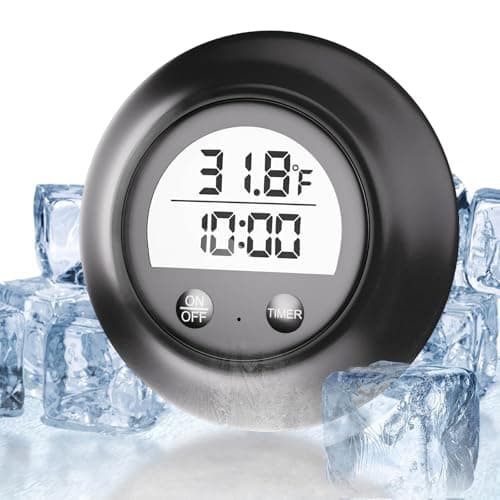
  • Ice Bath Thermometer with Timer

    Ice Bath Thermometer with Timer

    "As cold as I can stand" is not a temperature. The guidance on this site is 50-59°F for two to five minutes, and neither number means anything without a thermometer and a clock — this floats in the tub and carries both.

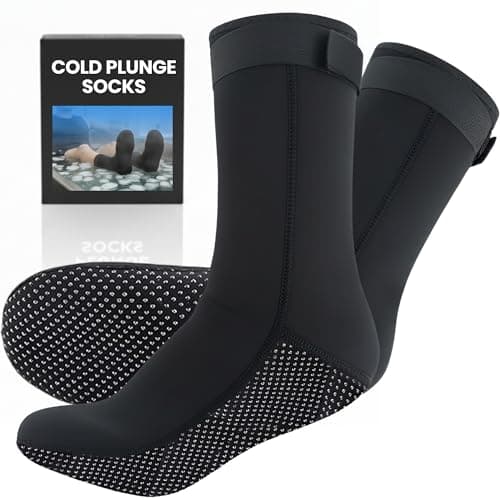
  • 3mm Neoprene Cold Plunge Booties

    3mm Neoprene Cold Plunge Booties

    Feet hit the pain ceiling long before the rest of you does, which is why most people climb out early. 3mm neoprene buys back the last minute or two of a session. Sold by size — pick yours on the listing.

  • Add-on

    Insulated cold plunge tub cover

    A covered tub holds its temperature between sessions and keeps leaves, dust and sunlight out of the water — most of what decides whether a plunge is cheap to run. Covers are cut to a specific tub shape and size, so we link the search rather than guess your dimensions.

#ad · Live prices from the Amazon Product API, as of October 19, 2026. Where fit or size varies by tub, body or machine we link a search instead of guessing, and where we have no verified price we show none. We may earn a commission.

How we picked

We did not lab-test this gear

Everyone in this category says they tested twenty products. We have not lab-tested any of these, and we say so. What we did instead: compiled the published specifications, pulled the numbers from the manufacturer manuals, ran the cost-to-run and cost-per-unit math where there was math to run, and scored each product against a published rubric. The scores are judgments from documented research — not measurements we took, because we do not have a lab and we will not pretend we do. Where a number came from someone else's work, we name them in Sources.

Questions

Frequently asked

How often should you change cold plunge water?
It depends on bather load, not on days. One or two users with a running filter and a held sanitizer residual can go weeks. Filtration with no sanitizer wants a change every few sessions. An unfiltered ice bath should be drained after one or two uses. Change it early regardless if the water is cloudy, foaming, slick on the walls or smells at all.
Can you put chlorine in a cold plunge?
Yes, and some form of sanitizer residual is the point. CDC's home pool and hot tub guidance asks for free chlorine of at least 3 ppm in a hot tub, pH between 7.0 and 7.8, testing at least twice a day while the water is in use, and no cyanuric-stabilised chlorine in hot tubs. There is no published standard specific to home cold plunges, so follow your manufacturer's instructions first and treat those figures as the nearest reference.
Does a cold plunge need a filter?
If the water stays in the tub between sessions, yes — a filter and a circulation pump are most of what keeps it clear. If you drain after every session, no: fresh water needs no filtration. That is the real hygiene difference between the chilled route and the ice route, and we work through the cost side of the same decision in do you need a chiller for a cold plunge.
How do you clean a cold plunge chiller?
Rinse the washable filter weekly under a tap, or replace the cartridge on the maker's schedule. Keep the air intake and exhaust clear and give the unit its specified clearance. Flush the hoses whenever you change the water so nothing sits stagnant, and drain the unit and lines completely before a freezing winter. A chiller that has stopped holding temperature usually has a dirty filter, not a failing compressor.
Is cold water self-sterilizing?
No. Cold slows microbial growth; it does not sterilize, and it does nothing about the sweat, skin cells, oils and sunscreen that go in with you. The one genuine advantage is that chlorine is consumed more slowly in cold water than in a hot tub, so a residual you establish tends to stay put.
Why does my cold plunge water feel slimy?
That is biofilm — a bacterial layer that forms on surfaces when organic load is present and sanitizer is not. It is the clearest possible signal to drain the tub, scrub the walls and the waterline with a soft cloth, rinse, flush the hoses and start again with a proper sanitizer residual. Do not try to chemically rescue slick water; change it.

Keep reading

Receipts

Sources

We do not run a testing lab, and we do not pretend to. Where a measured number came from someone else's work, we name them and link them. Where we could not verify something, we say so on the page rather than quietly leaving it out. Read our full method.