Skip to content
Rep & Recovery

Thermal · Cold & Heat

Cold plunge before or after a workout?

After endurance work, on rest days, or hours after a lift — never right before training, and not straight after a session you did for strength or size. The evidence on that last point is the most useful thing in this hub.

By Stephen V.Updated How we review
#ad

We earn a commission when you buy through our Amazon links, at no extra cost to you. It never changes a verdict, and we say so when the cheaper product is the better buy. How this works.

After— and if the session was for strength or muscle size, several hours after, or on a different day. Cold before training is the one clearly wrong answer: cold muscle produces less force, reacts more slowly and feels less connected, which is a bad way to start anything heavy or fast. Cold immediately after lifting is the sophisticated mistake, and it is the one with real evidence against it.

That evidence is worth stating precisely, because it is usually either exaggerated or dismissed. A 2015 study in The Journal of Physiology had 21 physically active men strength train twice a week for 12 weeks, taking either 10 minutes of cold water immersion or active recovery after every session. The active-recovery group gained more: isokinetic work improved by about 19%, type II fibre cross-sectional area by about 17% and myonuclei per fibre by about 26%, and those increases were statistically significant in the active group but not in the cold group. The same work found cold blunted anabolic signalling and satellite-cell activity for up to two days afterwards.

One study is not a law, and this one used trained men, a 12-week window and immersion immediately post-session. But the mechanism and the outcome agree with each other, which is rarer than it sounds, and the practical cost of respecting it is zero: plunge later, or plunge on a rest day. Below: the timing by goal, why the before-case fails, when cold genuinely is the right call, the dose, and three ways to set one up.

Why cold before training is the wrong order

Cold tissue is slower and weaker. Cooling a muscle reduces its force and power output, slows nerve conduction, and dulls proprioception — the sense of where your limbs are and how hard they are working. Each of those is the opposite of what you want walking into a heavy set or a sprint, and together they make the first ten minutes of a session feel strange and read badly: you will judge a weight that is fine as heavy, and you will be less precise under it.

There is one narrow exception, and it is environmental rather than physiological. Athletes competing in serious heat sometimes pre-cool deliberately to lower starting core temperature and extend the time before heat limits performance. That is a managed strategy for a hot race, not a reason to plunge before Tuesday's squats, and it is usually done with cooling vests or cold drinks rather than a full immersion that chills the working muscle.

Why not straight after lifting either

Because the inflammation after a hard strength session is not damage you need to switch off — it is part of the signal that tells the muscle to adapt. Cold immersion is very good at reducing that response, which is exactly why it reduces how sore you feel and, apparently, how much you gain.

The workable rule: leave several hours between a strength session and a plunge, or put the plunge on a rest day. If your only free window is right after training, choose heat instead — it has no comparable evidence against it and it is more pleasant anyway. That comparison is in sauna before or after a workout.

When cold after a session genuinely is the right call

  • Back-to-back competition. A tournament, a stage race, two sessions in a day. When the next performance matters more than the long-term adaptation, reducing soreness and perceived fatigue is the correct trade.
  • Long endurance sessions and hot conditions. Cooling a body that is genuinely overheated is useful, and endurance adaptation appears less sensitive to it than hypertrophy does.
  • Rest days and mornings. If you plunge for mood, alertness and the habit rather than for recovery, do it away from training entirely and the question disappears.
  • In a deload or off-season week. You are not chasing adaptation, so the cost is near zero.

The dose, once the timing is right

Our guidance across this hub is unchanged: 50-59°F for two to five minutes, which is cold enough to produce the response and short enough to be safe for a healthy adult. Colder and longer is not better; it is how people get into trouble. Never plunge alone in open water, get out for shivering you cannot control, numbness or chest discomfort, and read cold plunge risksbefore your first session if you have any cardiovascular condition — the gasp reflex and the blood pressure spike on entry are the real hazards, not the temperature itself. Dosing detail is in how long to cold plunge.

Three ways to set one up

Timing only matters if plunging is actually convenient, and convenience is decided by how the water gets cold. Three registry routes, ranked on how little friction sits between you and a session. Prices are live and stamped with the date they were checked.

The short answer

Quick picks

#ProductBest forScorePrice
01
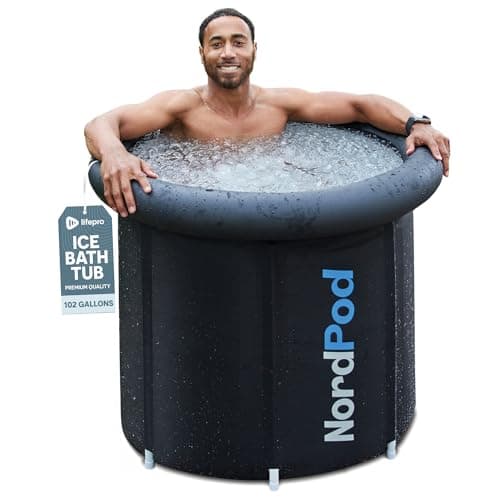
LifePro LifePro NordPod Ice Tub
LifePro NordPod Ice Tub

The cheapest honest way to own the timing decision. An insulated portable tub you fill and ice — no compressor, no plumbing, nothing to service. The right buy if you plunge a couple of times a week, which is exactly the frequency the strength evidence points you toward.

Best for two or three plunges a week
7.2
$99.99Amazon
02
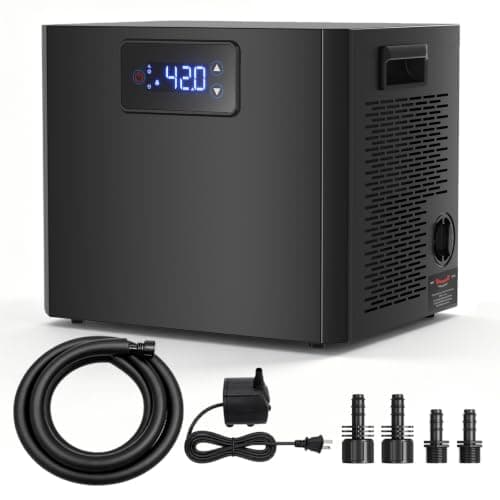
FADHOLE FADHOLE 1/3 HP Cold Plunge Chiller
FADHOLE 1/3 HP Cold Plunge Chiller

The pick if you plunge most days, because it removes the only real friction: the water is already cold when you decide to get in. A third of a horsepower rated for up to 79 gallons, holding down to 42°F, with a circulation pump and a washable metal filter built in.

Best if you plunge most days
7.4
$340.00Amazon
03
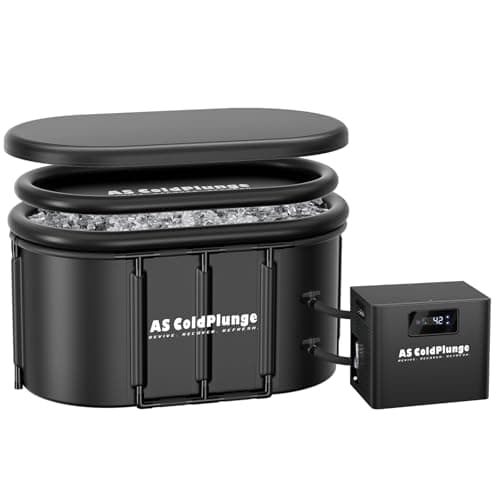
AS ColdPlunge AS ColdPlunge Ice Bath Chiller & Cold Plunge Tub Kit (148 Gal)
AS ColdPlunge Ice Bath Chiller & Cold Plunge Tub Kit (148 Gal)

Tub and chiller bought as one matched system, which removes every fitment question a separate purchase leaves open — hose diameters, pump capacity, whether the chiller can actually cool the volume. The expensive, simple answer for someone who wants it working the day it arrives.

Best matched tub and chiller
6.2
$479.00Amazon

#ad · Live prices from the Amazon Product API, as of October 18, 2026. Where we have no verified live price, we show none — a gap beats a number that has rotted.

In detail

The picks, in full

01
LifePro LifePro NordPod Ice Tub

Best for two or three plunges a week

LifePro NordPod Ice Tub

Insulated portable tubIce-filled, no chillerNo plumbing or powerPacks down
7.2/10

The cheapest honest way to own the timing decision. An insulated portable tub you fill and ice — no compressor, no plumbing, nothing to service. The right buy if you plunge a couple of times a week, which is exactly the frequency the strength evidence points you toward.

Cost to start
10
Temperature control
4
Ready in minutes
5
Space
8
Value
9

Pros

  • Lowest cost of entry by a wide margin — the tub is the whole purchase
  • No power, no plumbing and nothing mechanical to fail
  • Packs down for storage or to move outside in summer
  • Insulation holds temperature long enough for a proper session

Cons

  • You buy ice for every session, and that cost scales with frequency
  • Temperature is approximate — you get what the ice gives you
  • Filling and emptying is manual work every time

Don't buy this if…

…you intend to plunge most days — ice cost overtakes a chiller inside a year at that frequency.

The ice route fits the evidence better than it looks. If the sensible pattern is plunging on rest days and after endurance work rather than straight after every lift, you are plunging two or three times a week — and at that frequency buying ice is cheaper than owning a refrigeration unit. Ice cost scales with sessions; a chiller costs the same whether you use it daily or not.

The honest limit is precision. Without a chiller you cannot set 54°F and have it held, so a floating thermometer is not optional — "as cold as I can stand" is not a dose. We work the ice-versus-chiller threshold through in do you need a chiller, and the full tub ranking is in best cold plunge tubs.

$99.99View on Amazon

Price as of October 18, 2026. Prices change — Amazon's at checkout is the one that counts.

#ad · we may earn a commission from this link to LifePro NordPod Ice Tub

02
FADHOLE FADHOLE 1/3 HP Cold Plunge Chiller

Best if you plunge most days

FADHOLE 1/3 HP Cold Plunge Chiller

1/3 HP, rated to 79 galHolds down to 42°FBuilt-in pump + metal filterHoses and fittings included
7.4/10

The pick if you plunge most days, because it removes the only real friction: the water is already cold when you decide to get in. A third of a horsepower rated for up to 79 gallons, holding down to 42°F, with a circulation pump and a washable metal filter built in.

Cost to start
4
Temperature control
10
Ready in minutes
10
Space
5
Value
8

Pros

  • Set a temperature and it holds it — the dose becomes repeatable instead of approximate
  • Rated to 79 gallons, which covers a normal adult tub rather than a small one
  • Built-in circulation pump and washable metal filter instead of disposable cartridges
  • No ice run before a session, which is the thing that actually ends plunge habits

Cons

  • Costs several times what the tub does, and runs on mains electricity continuously
  • Needs somewhere ventilated to live, with hose runs to the tub
  • A mechanical appliance: more to go wrong than a bucket of ice

Don't buy this if…

…you plunge twice a week — on that schedule ice is cheaper and the hardware never pays itself back.

$340.00View on Amazon

$359.996% off

Price as of October 18, 2026. Prices change — Amazon's at checkout is the one that counts.

#ad · we may earn a commission from this link to FADHOLE 1/3 HP Cold Plunge Chiller

03
AS ColdPlunge AS ColdPlunge Ice Bath Chiller & Cold Plunge Tub Kit (148 Gal)

Best matched tub and chiller

AS ColdPlunge Ice Bath Chiller & Cold Plunge Tub Kit (148 Gal)

148 gallon capacityChiller includedMatched hoses and pumpSingle-system support
6.2/10

Tub and chiller bought as one matched system, which removes every fitment question a separate purchase leaves open — hose diameters, pump capacity, whether the chiller can actually cool the volume. The expensive, simple answer for someone who wants it working the day it arrives.

Cost to start
3
Temperature control
9
Ready in minutes
10
Space
3
Value
6

Pros

  • Nothing to specify: the chiller is sized for the tub it ships with
  • 148 gallons is a genuinely full-size plunge rather than a sit-up-straight tub
  • One manufacturer to call when something does not work
  • Fastest route from delivery to a usable, temperature-controlled plunge

Cons

  • The highest total cost on this page
  • A permanent installation in practice — this is not a pack-down tub
  • You pay for certainty rather than performance you could not get otherwise

Don't buy this if…

…you already own a tub — a standalone chiller is the cheaper upgrade and does the same job.

$479.00View on Amazon

Price as of October 18, 2026. Prices change — Amazon's at checkout is the one that counts.

#ad · we may earn a commission from this link to AS ColdPlunge Ice Bath Chiller & Cold Plunge Tub Kit (148 Gal)

Timing by goal

Your sessionWhen to plungeWhy
Strength or hypertrophy trainingSeveral hours later, or a rest dayCold immediately after blunted 12-week strength and size gains in the Journal of Physiology trial
Long run or rideAfter is fineEndurance adaptation appears less sensitive, and cooling an overheated body is useful
Two sessions in a day, or a tournamentAfter, deliberatelyNext-performance readiness matters more than long-term adaptation this week
Any hard session, as a warm-upNever beforeCold muscle produces less force and reads less accurately
Mood, alertness, the habitMornings or rest daysSeparating it from training removes the trade-off entirely

What cold immersion is good at, and what it is not

It reliably reduces how sore and fatigued you feel. That is a real result and it is the one the research supports most consistently. What it does not reliably do is restore performance faster in the way the marketing implies, and what it actively appears to do is interfere with the hypertrophy signal when it lands in the hours after lifting. Hold both of those at once and the timing advice writes itself. We go through the mechanism in cold plunge benefits, and the ice-bath-versus-tub format question in cold plunge vs ice bath.

Hot and cold in the same session

If you are doing both, most people prefer heat first and cold second, finishing cold — and the same strength caveat applies to the cold half regardless of what came before it. On a lifting day, take the heat and leave the cold for tomorrow. The full comparison is in sauna vs cold plunge.

Safety, which matters more than timing

The dangerous part of a cold plunge is the first 30 seconds, not the fifth minute: the cold shock response produces an involuntary gasp and a sharp rise in heart rate and blood pressure. Enter slowly and controlled, breathe out as you go in, never plunge alone in open water, and do not plunge at all without medical advice if you have heart disease, uncontrolled high blood pressure, a history of arrhythmia, Raynaud's or are pregnant. Get out for uncontrollable shivering, numbness, confusion or any chest discomfort.
How we picked

We did not lab-test this gear

Everyone in this category says they tested twenty products. We have not lab-tested any of these, and we say so. What we did instead: compiled the published specifications, pulled the numbers from the manufacturer manuals, ran the cost-to-run and cost-per-unit math where there was math to run, and scored each product against a published rubric. The scores are judgments from documented research — not measurements we took, because we do not have a lab and we will not pretend we do. Where a number came from someone else's work, we name them in Sources.

Questions

Frequently asked

Can you cold plunge before a workout?
You can, and for most training it is a poor idea. Cooled muscle produces less force and power, nerve conduction slows and proprioception dulls, so the first part of the session will feel worse and go worse. The only legitimate pre-cooling is for competing in serious heat, and that is usually done with vests and cold drinks rather than immersion.
How long after lifting should you wait to cold plunge?
Several hours at minimum, and a different day is cleaner. The 12-week Journal of Physiology trial used immersion immediately after each session and found smaller strength and size gains than active recovery, with blunted anabolic signalling for up to two days. Putting distance between the two costs you nothing.
Does a cold plunge kill your gains?
"Kill" is too strong. The best available trial found meaningfully smaller gains over 12 weeks when cold immersion followed every strength session — a reduction, not an erasure, in one study of 21 men. The sensible reading is that the timing matters and the cost of getting it right is zero, so get it right. The wider evidence picture is in cold plunge benefits.
Is a cold plunge good after running?
It is a reasonable choice, particularly after a long or hot run. Endurance adaptations appear less sensitive to post-exercise cooling than hypertrophy is, the soreness reduction is real, and cooling a genuinely overheated body is useful in itself. Keep it to 50-59°F for two to five minutes rather than longer and colder.
Does cold water immersion help DOMS?
It helps how sore you feel, which is what most people mean by the question. The consistent finding across the recovery literature is reduced perceived soreness and fatigue; restored performance is much less consistent. That is a benefit worth having on a tournament weekend and a benefit worth skipping the day you trained for size.
Should you cold plunge before or after a sauna?
After, if you are doing both in one sitting — heat first, cold second, finishing cold, which is the sequence most people prefer. The strength caveat still applies to the cold half. If you are only buying one of the two, sauna vs cold plunge makes the case either way.

Keep reading

Receipts

Sources

We do not run a testing lab, and we do not pretend to. Where a measured number came from someone else's work, we name them and link them. Where we could not verify something, we say so on the page rather than quietly leaving it out. Read our full method.